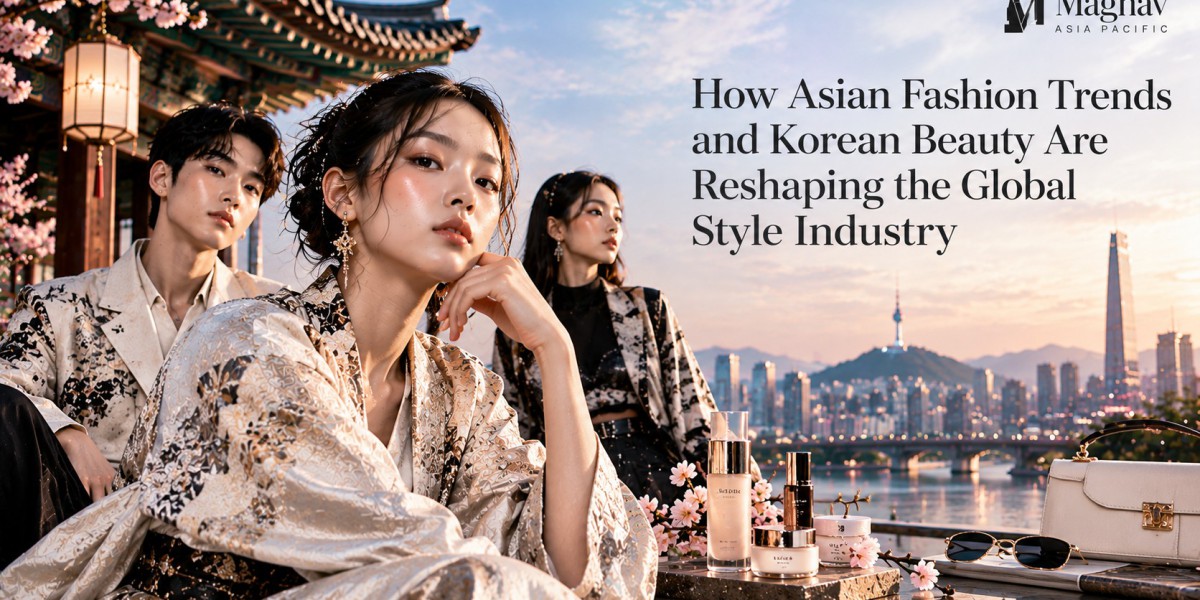

Asia has become an important source of creative ideas for the international fashion and beauty industries. Designers, skincare companies, digital creators, and entertainment personalities are influencing how consumers approach personal style and self-care. From Seoul's contemporary streetwear to Tokyo's experimental silhouettes and Southeast Asia's heritage-inspired designs, the region offers a wide range of perspectives. Asian fashion trends reflect this diversity, connecting traditional craftsmanship with modern lifestyles, digital communities, and changing consumer expectations.
This transformation extends beyond clothing. Skincare routines, beauty technologies, celebrity collaborations, and online shopping experiences are also shaping how international audiences engage with Asian brands. As consumers seek products and styles that match their individual preferences, fashion and beauty businesses have new opportunities to build relationships across markets.
The Growing Influence of Asian Fashion
Asian fashion has developed through a combination of cultural heritage, local creativity, and international exchange. Countries across the region have distinct design traditions, textile techniques, and approaches to clothing. These differences contribute to a fashion landscape that cannot be reduced to one single aesthetic.
Japanese designers have gained international recognition for experimental shapes, thoughtful construction, and minimalist approaches. Korean fashion frequently combines contemporary tailoring with streetwear, coordinated accessories, and entertainment-inspired styling. Indonesian designers bring traditional textiles and artisanal techniques into modern wardrobes, while designers in Thailand, India, and other Asian markets reinterpret their own cultural references through contemporary collections.
These developments demonstrate how designers can participate in international conversations without abandoning their identities. Traditional materials can be used in modern silhouettes, and familiar garments can be redesigned to suit changing lifestyles.
Consumers are also paying greater attention to the stories behind clothing. Information about fabric origins, production methods, and the people involved in creating a collection can influence purchasing decisions. Brands that communicate these details clearly may develop stronger connections with customers who value both design and authenticity.
How Digital Culture Changes Fashion Discovery
Digital platforms have transformed the way people encounter fashion. Social media allows users to see new collections, follow stylists, compare looks, and communicate with brands without depending entirely on traditional fashion publications or physical retail spaces.
A creator's outfit can introduce a small independent label to audiences in several countries. A runway presentation can be shared through short videos, while a designer interview can provide context about the inspiration behind a collection. This makes fashion discovery more immediate and interactive.
However, digital visibility can be unpredictable. A product may receive considerable attention for a short period and then lose relevance as audiences move towards another trend. Brands therefore need a clear identity and consistent product quality rather than relying exclusively on viral moments.
Digital storytelling is most useful when it offers more than attractive imagery. Styling advice, material explanations, interviews, cultural context, and practical information help consumers understand why a design matters. This approach can also support fashion education by connecting contemporary clothing with its cultural and historical influences.
Korean Skincare and the Global Beauty Conversation
South Korea has become a major reference point in international skincare discussions. Korean beauty companies have helped popularise routines that emphasise hydration, skin-barrier care, product layering, and consistent daily habits. Product formats such as lightweight essences, hydrating toners, cushion foundations, and innovative sunscreens have attracted attention in numerous markets.
The growing interest in Korean skincare trends is connected to several factors. Product development, packaging, digital marketing, entertainment culture, and online beauty communities all contribute to consumer awareness. People can watch product demonstrations, compare ingredient lists, and learn how different formulations are intended to be used.
Korean skincare is not a single routine that works for everyone. Skin types, climate, personal sensitivities, and individual concerns vary considerably. A product that suits one person may not suit another, so consumers benefit from reviewing ingredient information and introducing new products carefully.
Simple routines can be effective for many people. Gentle cleansing, appropriate moisturising, and daily broad-spectrum sun protection provide a useful foundation for general skincare. Additional products can be selected according to personal needs rather than the number of steps promoted online.
Beauty companies also need to communicate responsibly. Clear ingredient information, realistic product claims, and accurate instructions help consumers make informed choices. Claims about treating medical skin conditions should be supported by suitable evidence and should not replace professional advice when it is needed.
The Connection Between Fashion, Beauty, and Entertainment
Entertainment has become an important bridge between Asian fashion and beauty brands and their international audiences. Music videos, television dramas, celebrity appearances, and live performances can introduce viewers to clothing labels, accessories, makeup styles, and skincare products.
K-pop artists, Korean actors, Thai entertainers, and other public figures often attract attention for their styling. Their outfits may inspire consumers to experiment with colours, silhouettes, hairstyles, and accessories. Beauty products featured in interviews or promotional campaigns can also generate interest.
Yet the relationship between entertainment and consumer behaviour is more complex than a single celebrity endorsement. Audiences may appreciate an artist's style without purchasing the exact products they use. Some consumers recreate a look with affordable alternatives, while others use the inspiration to develop a personal interpretation.
Brands can build more meaningful campaigns by connecting products with a clear creative concept. A fashion collaboration might explain the designer's approach to tailoring, while a skincare campaign could provide practical information about formulation and use. The goal should be to offer something useful to audiences rather than relying only on a famous face.
Sustainability and Responsible Design
Sustainability is becoming an important topic across fashion and beauty. Consumers are asking questions about material sourcing, packaging, product longevity, manufacturing practices, and waste. Although no product or business is entirely without environmental impact, companies can take practical steps to improve how they operate.
In fashion, durable construction, repair services, thoughtful material selection, and smaller production runs can help reduce unnecessary waste. Designers can also work with local artisans and existing textile traditions to support specialised skills and create products with a stronger connection to place.
Beauty companies face different challenges, including packaging waste, ingredient sourcing, and the disposal of partially used products. Refill systems and recyclable packaging may help in some circumstances, but their benefits depend on the materials used and the local recycling infrastructure.
Consumers can contribute by purchasing products they genuinely need, following care instructions, using products as directed, and avoiding unnecessary replacements. Responsible consumption does not require rejecting fashion or beauty; it involves making more considered choices.
What Global Fashion Insights Reveal About Consumer Behaviour
Understanding international markets requires more than identifying popular colours or predicting the next seasonal look. Businesses need to examine cultural preferences, purchasing power, local climates, retail habits, digital access, and changing expectations.
global fashion insights can help brands understand how consumer preferences differ across regions and why a successful strategy in one market may not work in another. For example, shoppers may prioritise lightweight fabrics in tropical climates, while consumers elsewhere may focus on layering and seasonal versatility. Beauty preferences can also vary according to climate, product availability, local regulations, and established routines.
Market research is valuable when it combines several types of evidence. Search behaviour may indicate growing interest in a product category, while customer feedback can reveal concerns about price, sizing, ingredients, or product performance. Sales data can show what people actually purchase, although it should be interpreted alongside wider market conditions.
Brands should also distinguish short-term attention from sustained demand. A keyword or social topic may receive a temporary increase in searches without generating long-term sales. Reviewing trends over time can help businesses make more informed decisions about product development, content planning, and inventory.
For digital publishers, this research can support articles that answer real reader questions. Coverage of regional designers, skincare ingredients, cultural influences, and consumer behaviour can provide readers with context that goes beyond surface-level trend reporting.
The Role of Digital Publishing in Fashion and Beauty
Online magazines and editorial platforms help audiences connect individual products and trends with wider cultural developments. Well-researched articles can explain the background of a designer, the evolution of a beauty routine, or the relationship between entertainment and consumer preferences.
Fashion publications can also give emerging creative professionals a platform to share their work. Interviews, designer profiles, and industry analysis allow readers to learn about the people behind collections rather than encountering only finished products.
For brands, credible editorial coverage can support awareness and provide additional context for their products or services. However, readers benefit most when sponsored content is clearly identified and editorial claims remain accurate. Trust is built through transparency, useful information, and consistent publishing standards.
Digital publishing also makes regional stories available to international readers. A report about a designer in Jakarta or a beauty innovation in Seoul can reach audiences who may not have access to local industry publications. This exchange helps create a more connected understanding of Asia's fashion and beauty industries.
Conclusion
Asia's fashion and beauty industries are contributing new ideas to international markets through design innovation, digital communication, cultural exchange, and product development. From contemporary clothing and traditional textiles to modern skincare formulations, regional creativity is influencing how people express themselves and care for their appearance.
The future will depend on how brands respond to changing consumer expectations. Quality, transparency, cultural respect, responsible marketing, and useful digital experiences can help companies build lasting relationships rather than depending on temporary popularity.
As designers and beauty companies continue to work across borders, Asian fashion trends will remain part of a broader conversation about identity, creativity, and consumer choice. Their long-term influence will depend not only on what becomes popular, but also on the value, meaning, and quality that businesses offer to the people they serve.
Frequently Asked Questions
1. Why is Asian fashion gaining international attention?
Asian fashion combines diverse cultural traditions with contemporary design, digital communication, and innovative styling. Social media and international collaborations have made it easier for designers to reach audiences beyond their home markets.
2. What makes Korean skincare popular internationally?
Korean skincare has gained attention through product innovation, hydration-focused routines, packaging, entertainment culture, and online beauty communities. Consumers should still select products according to their own skin needs and sensitivities.
3. How does digital media influence fashion trends?
Digital media allows consumers to see new designs, follow creators, share styling ideas, and communicate directly with brands. It can accelerate trend adoption while giving emerging designers opportunities to reach international audiences.
4. How can fashion and beauty businesses become more sustainable?
Businesses can review material sourcing, manufacturing, packaging, product durability, and waste management. Clear information and realistic environmental claims help consumers understand what companies are doing and where further improvement is needed.
5. How can businesses use international fashion research?
Businesses can combine search data, customer feedback, sales information, and regional research to understand consumer preferences. This can inform product planning, marketing strategies, and content that answers relevant audience questions.






