
Maintaining healthy-looking skin involves understanding your skin type, choosing suitable skincare products, and following a consistent routine. A Chemical Peel in Croydon, London is a professional skincare treatment that uses a chemical solution to exfoliate the skin. Chemical peels are used to address skin concerns, including uneven texture, dullness, blemish marks, and areas of discolouration.
At Sculpt Wellness, skincare treatments are approached with consideration for individual skin needs and concerns. Learning about chemical peel formulations, the treatment process, and appropriate aftercare can help you understand whether this option suits your skincare requirements.
What Skin Concerns Are Chemical Peels Used For?
Chemical peels in Croydon are used to address various cosmetic skin concerns, depending on the formulation and the individual's skin condition.
Uneven skin texture: Certain exfoliating solutions help remove accumulated dead skin cells from the surface.
Dull complexion: Surface exfoliation removes dead cells that can contribute to a lacklustre appearance.
Blemish-prone skin: Salicylic acid peels are sometimes used for skin affected by clogged pores and excess oil.
Uneven pigmentation: Selected formulations are used to address certain forms of superficial discolouration.
Fine lines: Some chemical peels are used to improve the appearance of mild surface lines.
The suitability of a peel varies from person to person. Deeper acne scars, persistent pigmentation, and other complex skin concerns may require alternative treatments or professional assessment.
How Does a Chemical Peel Work?
Chemical peels use exfoliating ingredients to loosen the bonds between dead skin cells, allowing them to shed from the surface. The process depends on the active ingredient, its concentration, the skin's condition, and the length of application.
Different ingredients serve different purposes. Glycolic acid is an AHA commonly used for surface exfoliation, while salicylic acid is oil-soluble and is often selected for congested skin. Lactic acid is another AHA used in some formulations.
The choice of product should be based on a professional assessment rather than selecting a peel solely by its strength or popularity.
What Happens During a Chemical Peel Appointment?
A professional chemical peel appointment generally involves several steps:
Consultation: Your practitioner discusses your skin concerns, medical history where relevant, skincare products, sensitivities, and treatment expectations.
Cleansing: The skin is cleansed to remove makeup, oil, and surface impurities.
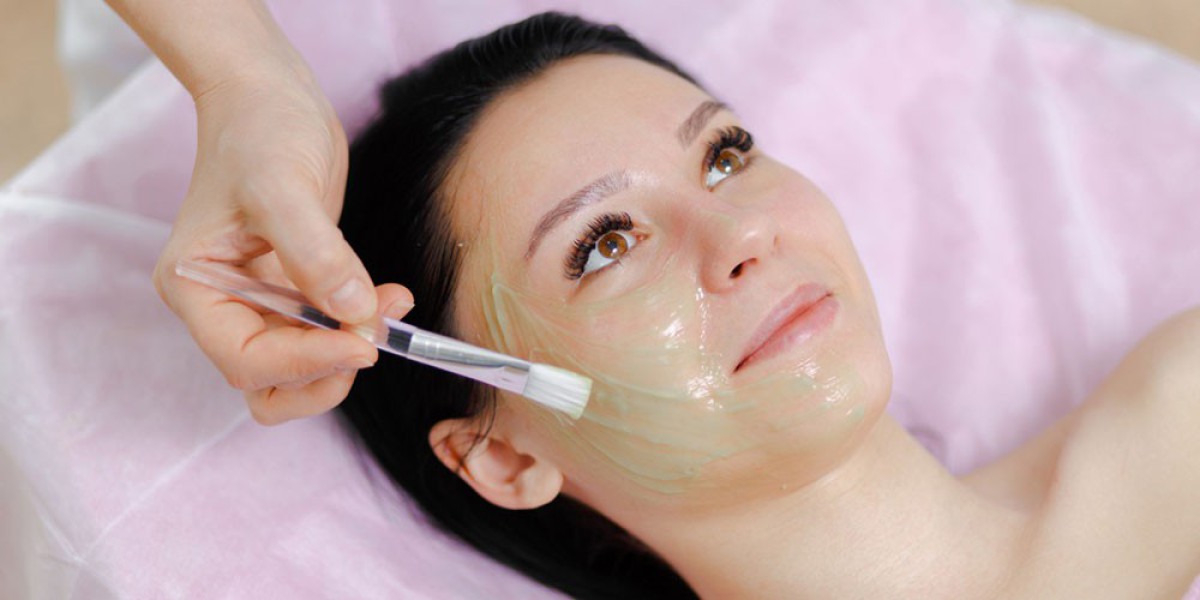
Product application: The selected chemical solution is applied according to the product instructions and treatment plan.
Removal or neutralisation: This step depends on the specific formulation being used.
Aftercare advice: You receive guidance on cleansing, moisturising, sun protection, and temporarily avoiding potentially irritating products.
Some people experience temporary redness, dryness, sensitivity, or visible peeling. The recovery period depends on the depth and type of peel.
Chemical Peel Aftercare and Skin Protection
Following the recommended aftercare guidelines is essential, and your practitioner will explain the steps based on the specific peel used.
General aftercare considerations include:
Use a gentle cleanser and moisturiser suitable for your skin.
Apply broad-spectrum sunscreen with SPF 30 or higher and follow recommended reapplication guidance.
Avoid picking or pulling at peeling skin.
Pause exfoliating acids, retinoids, and other irritating products until your practitioner advises that they can be resumed.
Avoid excessive sun exposure while the skin is recovering.
Incorrect product use or inadequate sun protection may contribute to irritation and pigmentation changes. Seek professional advice if you experience severe pain, blistering, or unexpected reactions.
Why Choose Sculpt Wellness for a Chemical Peel in Croydon?
Sculpt Wellness is a UK-based boutique aesthetics clinic offering personalised skincare treatments in a welcoming environment. The clinic's approach focuses on understanding individual skin concerns and discussing suitable treatment options.
Before recommending a chemical peel, factors such as skin type, sensitivity, current skincare products, and treatment goals should be considered. This assessment helps determine whether a chemical peel is suitable for your skin and which formulation best matches your skincare needs.
Clients can discuss their skincare concerns with the team and receive guidance on treatment preparation, the procedure, and aftercare.
Is a Chemical Peel Suitable for Everyone?
Chemical peels are not suitable for every skin type or condition. Active irritation, certain skin conditions, recent cosmetic procedures, and some medications may affect suitability. People with a history of post-inflammatory pigmentation should also discuss potential risks before treatment.
A professional consultation is important to review these factors and establish realistic expectations. Stronger peels require appropriate professional qualifications and supervision.
Conclusion
A chemical peel is a professional exfoliation treatment used to address selected concerns involving skin texture, congestion, dullness, and pigmentation. The ingredients, concentration, treatment depth, and aftercare requirements vary according to the formulation.
If you are researching a Chemical Peel in Croydon, Sculpt Wellness can help you explore relevant skincare options and understand the factors involved in choosing a suitable treatment. A personalised assessment is the appropriate starting point for making an informed decision about your skin.