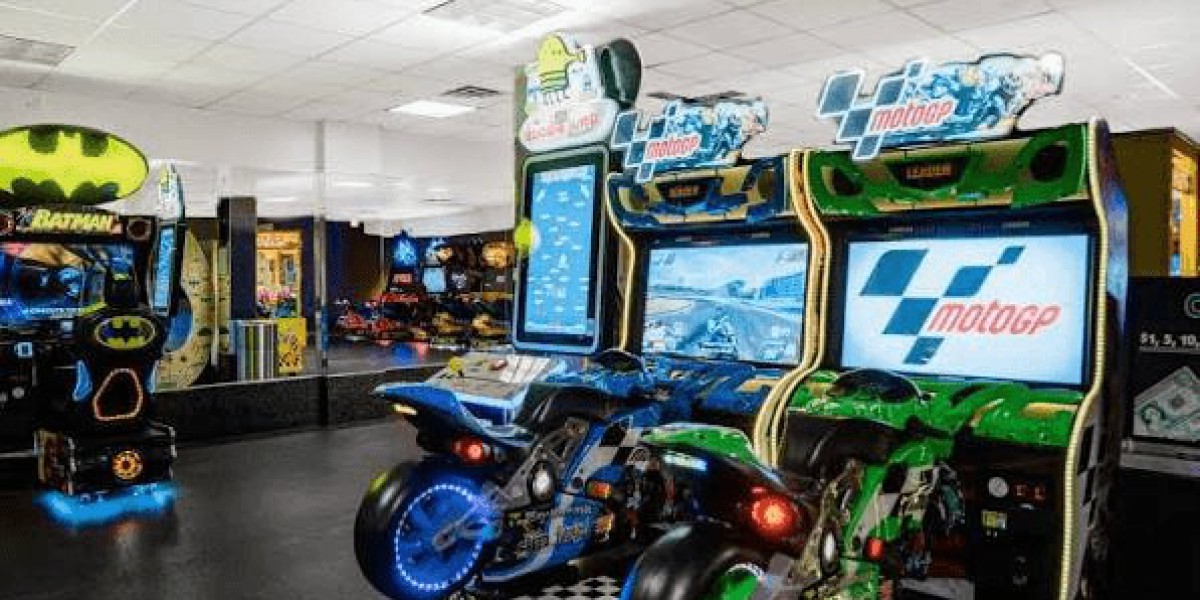

Corporate events are more effective when employees have opportunities to interact beyond formal presentations and scheduled meetings. While traditional activities can support professional development, interactive entertainment adds energy and encourages people to connect in a relaxed environment.
Arcade games offer a practical option for office celebrations, company outings, employee engagement programmes, and business networking events. From racing challenges to basketball games, these activities create opportunities for friendly competition, communication, and shared enjoyment.
Encourage Teamwork Through Interactive Games
Arcade games can bring colleagues together through activities that require cooperation and coordination. Team-based competitions allow employees to contribute different skills while working towards a shared goal.
For example, colleagues can participate in paired racing challenges, cooperative video games, or group competitions that rotate between different machines. These activities encourage participants to communicate, make quick decisions, and support one another.
Organisers can also create mixed-department teams to help employees interact with colleagues they may not regularly work with. This makes corporate arcade activities useful for creating a more inclusive atmosphere during company events.
The aim should be participation and enjoyment rather than placing excessive pressure on employees to win.
Create Friendly Competition
A little competition can make corporate gatherings more exciting. Arcade games often feature simple scoring systems, clear objectives, and short rounds, allowing participants to understand the challenge quickly.
Organisers can introduce individual leaderboards, team scorecards, or knockout rounds depending on the event size. Racing games, air hockey, basketball machines, and reaction-based challenges are suitable options for many workplace audiences.
To keep the atmosphere welcoming, include games that suit different abilities and experience levels. Participants should be able to choose activities that match their comfort and interests.
Small rewards, certificates, or humorous awards can add excitement without making the event feel overly formal.
Choose Games for Different Personalities
Not every employee enjoys the same type of activity. Some may prefer fast-paced competition, while others enjoy casual games or cooperative challenges.
A well-planned arcade setup should offer a range of experiences. Racing simulators appeal to participants who enjoy precision and speed, while basketball machines provide quick physical challenges. Multiplayer games can encourage teamwork, and simple reaction games offer an accessible starting point for beginners.
Consider the age range, accessibility requirements, available space, and expected attendance when selecting equipment. Offering several options makes it easier for employees to participate at their own pace.
Integrate Arcade Games into the Event Schedule
Arcade entertainment can complement a variety of corporate formats, including annual celebrations, product launches, conferences, employee appreciation days, and informal networking sessions.
For a short event, organisers might schedule a 30-minute competition followed by an awards presentation. Larger gatherings can use activity stations that employees visit throughout the programme.
When planning team building gaming events, consider the venue layout, power requirements, machine placement, and movement between activities. Ensure that queues do not block entrances or interfere with other event areas.
Provide clear instructions and assign coordinators to help participants understand the rules, track scores, and move smoothly between rounds.
Support Employee Engagement and Networking
Games provide a natural conversation starter, especially for employees who may not know one another well. Shared challenges create opportunities for informal discussions and positive interactions.
Arcade activities can also help new employees feel included during onboarding events. Instead of relying entirely on introductions and formal discussions, organisers can use short games to encourage people to interact naturally.
For networking events involving clients or business partners, choose activities that are easy to join and do not require lengthy explanations. The entertainment should support conversation rather than dominate the entire programme.
Plan Equipment, Safety, and Logistics
Successful corporate entertainment requires reliable equipment and careful coordination. Test all machines before the event, confirm that controls and scoring systems work correctly, and ensure that the equipment is suitable for the intended audience.
Check access routes, cable management, ventilation, seating, and space around machines. Provide alternative activities for guests who cannot or prefer not to participate in certain games.
For larger competitions, prepare a timetable, explain the scoring system, and establish a straightforward process for resolving ties. Having a backup plan for technical problems helps keep the programme running smoothly.
Measure the Event's Success
After the event, collect feedback to understand which activities participants enjoyed most. Short surveys can reveal whether the games encouraged interaction, whether the event schedule worked well, and what employees would like to experience next time.
Attendance, participation levels, and informal feedback can help organisers improve future corporate gatherings. Reusing popular formats while introducing new challenges can maintain interest across recurring events.
Conclusion
Arcade games can make corporate events more interactive, inclusive, and memorable. By combining friendly competition with teamwork and flexible entertainment options, businesses can create opportunities for employees to connect outside their usual work routines.
With suitable game selection, thoughtful scheduling, and reliable equipment, arcade entertainment can become a valuable addition to employee engagement programmes, company celebrations, and professional networking events.






