
Cochlear Implant Price in Pakistan
Hearing loss can affect communication, education, work, and everyday life. For people with severe hearing loss who do not receive enough benefit from conventional hearing aids, a cochlear implant may be a suitable option. However, understanding the treatment process and total expenses is important before making a decision.
The cochlear implant price in pakistan depends on several factors, including the implant brand, medical assessments, surgery, hospital charges, device activation, and rehabilitation. Patients should consult an experienced hearing care team to understand their options and receive an accurate cost estimate.
What Is a Cochlear Implant?
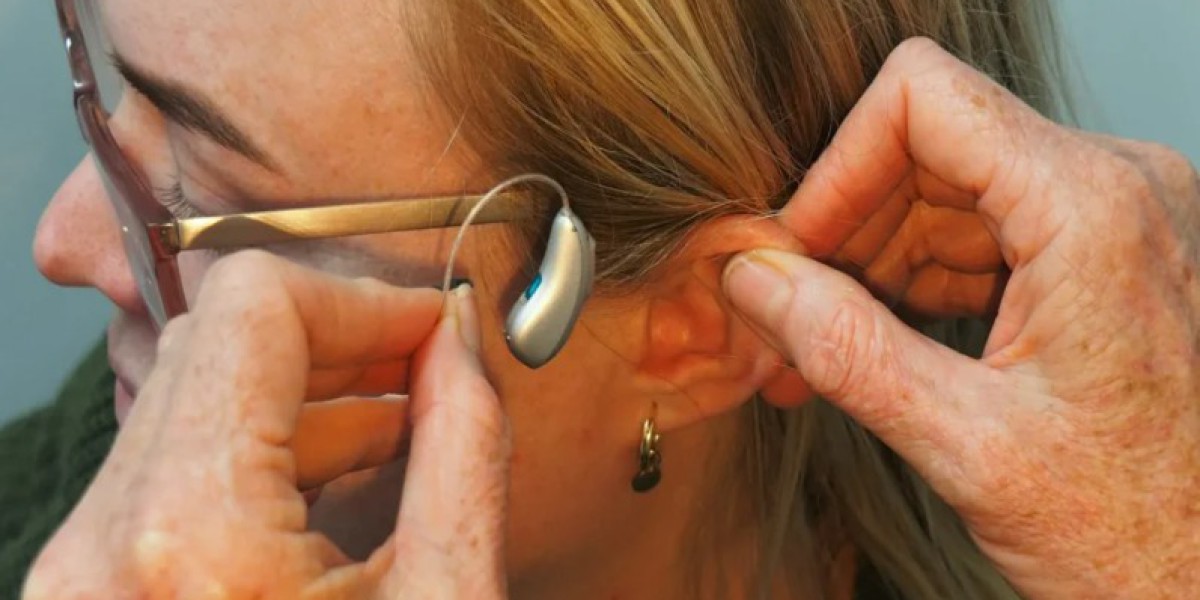
A cochlear implant is an electronic medical device that helps people with severe to profound sensorineural hearing loss receive sound signals. Unlike a conventional hearing aid, which makes sounds louder, a cochlear implant bypasses damaged parts of the inner ear and stimulates the auditory nerve through electrical signals.
A cochlear implant usually consists of two main parts:
External sound processor: Captures sounds and converts them into digital signals.
Internal implant: Is placed under the skin during surgery and sends electrical signals to the auditory nerve.
The brain learns to interpret these signals over time. Results vary from person to person, and users generally need follow-up programming and rehabilitation to develop their listening skills.
Cochlear Implant Price in Pakistan: What Affects the Cost?
The cochlear implant price is not the same for every patient. The total expense depends on the selected device, medical needs, hospital, and services included in the treatment package.
1. Implant Brand and Model
Different manufacturers offer cochlear implant systems with different features and technologies. The selected model, external processor, accessories, and available support can influence the total cost.
Patients should discuss the available options with their audiologist and surgeon instead of choosing a device based on price alone.
2. Surgery and Hospital Charges
Cochlear implantation requires a surgical procedure performed by a qualified specialist. The overall expenses may include the surgeon's fee, anesthesia, operating room charges, hospital admission, and medical care.
These charges vary between hospitals and depend on the patient's medical requirements.
3. Hearing Tests and Medical Assessments
Before surgery, patients usually undergo detailed hearing evaluations and medical examinations. These assessments help specialists determine whether a cochlear implant is appropriate and identify any additional requirements.
The cost of these tests may be separate from the implant package.
4. Device Activation and Programming
After surgery, the external sound processor is activated when the medical team determines that the patient is ready. An audiologist then adjusts the device settings to match the patient's hearing needs.
Programming appointments may continue over time as the patient adapts to the new sound experience.
5. Speech and Hearing Rehabilitation
Rehabilitation is an important part of cochlear implant treatment. Children may need support with listening, speech, and language development, while adults may need training to recognize and understand sounds.
The frequency and duration of rehabilitation vary according to the patient's age, hearing history, communication needs, and progress.
Factors to Consider Before Choosing a Cochlear Implant
Choosing a cochlear implant requires more than comparing device costs. Patients and families should consider the following factors.
Hearing Loss and Medical Eligibility
A detailed hearing assessment helps determine the type and severity of hearing loss. The specialist may also review the patient's medical history and previous experience with hearing aids.
Not every person with hearing loss is a suitable candidate. A professional assessment is necessary before deciding on surgery.
Age and Individual Hearing Needs
Cochlear implants may benefit eligible children and adults. Early assessment can be particularly important for children who need access to sound for speech and language development.
For adults, the expected benefits depend on several factors, including the duration of hearing loss and previous listening experience.
Long-Term Support and Maintenance
Patients should ask about processor servicing, replacement accessories, warranty coverage, and future programming appointments. Understanding these requirements can help families plan for ongoing expenses.
Rehabilitation and Family Support
Consistent rehabilitation and support from family members can help patients adapt to their devices. Families should understand the follow-up schedule and the importance of attending recommended appointments.
What Is the Cochlear Implant Treatment Process?
Understanding each stage of treatment helps patients prepare for the procedure and recovery.
Step 1: Initial Consultation
The process begins with a consultation with an ENT specialist and an audiology team. They review the patient's hearing concerns, medical history, and previous treatment.
Step 2: Hearing and Medical Tests
The patient undergoes appropriate hearing assessments and other investigations. These results help the team decide whether cochlear implantation is suitable.
Step 3: Cochlear Implant Surgery
A qualified surgeon performs the procedure under general anesthesia. The internal implant is placed surgically, and the patient receives post-operative care according to medical advice.
The duration of hospital stay and recovery varies between individuals.
Step 4: Device Activation
After the surgical site has healed sufficiently, the sound processor is activated. The audiologist adjusts the settings and explains how to use and care for the device.
Step 5: Follow-Up and Rehabilitation
Regular appointments help the team monitor progress and adjust the processor. Listening and speech rehabilitation may be recommended to support the patient's communication goals.
Is a Cochlear Implant Worth the Cost?
For appropriately selected patients, a cochlear implant may improve access to sound and support communication. It can be especially valuable for children who need auditory input for language development and for adults who receive limited benefit from conventional hearing aids.
However, outcomes differ between patients. A cochlear implant does not restore natural hearing, and the amount of benefit depends on individual circumstances, device use, and rehabilitation.
Before proceeding, patients should discuss the likely benefits, limitations, long-term expenses, and expected follow-up care with their medical team.
How to Choose the Right Cochlear Implant Specialist in Pakistan
Selecting an experienced treatment team is an important step. Consider the following points before making a decision:
Specialist experience: Choose a qualified ENT surgeon and an experienced audiology team.
Clear cost estimates: Request a written breakdown of the implant, surgery, hospital care, and follow-up expenses.
Device options: Ask which implant systems are suitable for your hearing needs.
Aftercare services: Confirm the availability of programming, maintenance, and rehabilitation.
Patient support: Understand the follow-up schedule and the support available to patients and families.
These steps can help you make an informed decision and prepare for the full treatment process.
Frequently Asked Questions
1. What is the cochlear implant price in Pakistan?
The cost varies according to the implant system, hospital, surgical fees, medical tests, and rehabilitation requirements. Contact a specialist for a current, itemized estimate.
2. Does the cochlear implant cost include surgery?
Not always. Some treatment packages may include surgery and hospital services, while others charge separately for the implant, medical assessments, and follow-up care. Always confirm what the quoted amount covers.
3. Is a cochlear implant suitable for children and adults?
Yes, eligible children and adults may benefit from cochlear implants. Suitability depends on hearing test results, medical assessments, and individual communication needs.
4. How long does recovery from cochlear implant surgery take?
Recovery varies by patient. The surgeon provides instructions about wound care, activity, and follow-up appointments. Device activation generally takes place after the surgical site has healed sufficiently.
5. Is rehabilitation necessary after cochlear implant surgery?
Rehabilitation is commonly recommended because patients need time to learn to interpret the sounds provided by the device. The rehabilitation plan depends on individual needs and progress.
6. Can patients receive financial assistance for cochlear implants in Pakistan?
Some hospitals, charitable organizations, and assistance programs may offer financial support to eligible patients. Availability and eligibility requirements vary, so families should contact relevant providers directly.
Conclusion
Understanding the cochlear implant price in pakistan involves considering the complete treatment journey, not just the cost of the device. Surgery, hearing assessments, processor activation, rehabilitation, and long-term support can all contribute to the total expense.
The best next step is to consult a qualified cochlear implant specialist, discuss suitable device options, and request a clear estimate based on your individual needs.
Take the Next Step: Contact Audiology Consultants to discuss cochlear implant assessments, available treatment options, and current costs. Professional guidance can help you make an informed decision about your hearing care.






