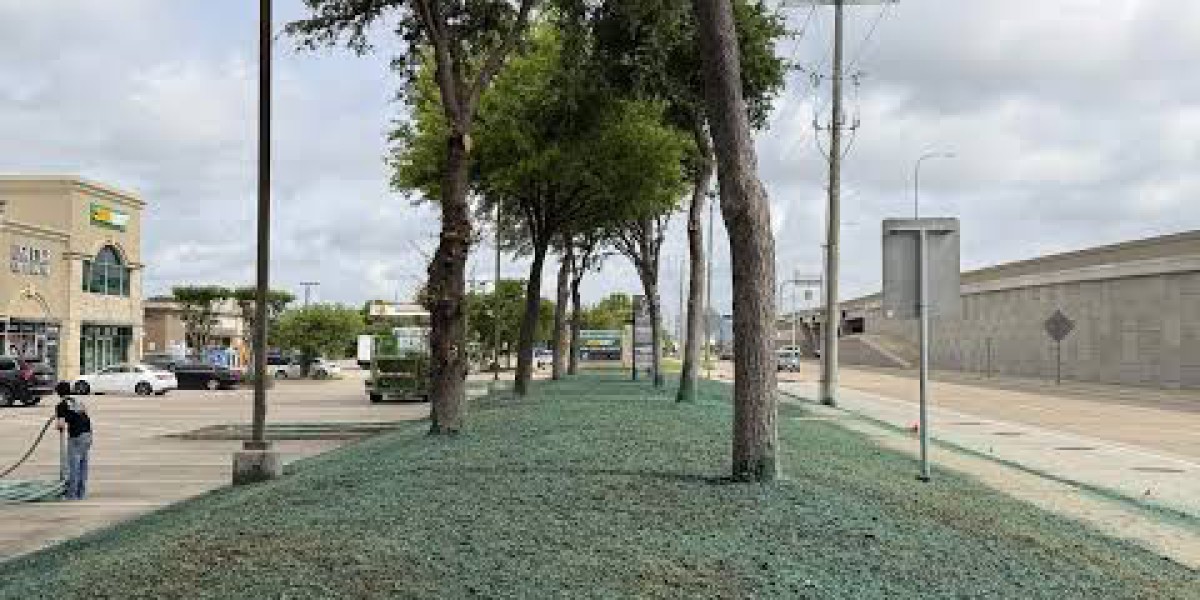

Bare ground can create practical problems for homeowners, builders, and commercial property managers. Without vegetation, soil may dry out quickly, produce dust, or wash away during heavy rainfall. These concerns are especially common on newly graded properties, construction sites, and slopes where natural ground cover has been removed. Hydromulching offers a way to apply fibrous mulch across exposed soil, often together with grass seed and other materials that support vegetation growth. Hydromulch North Texas projects can be useful for establishing new lawns and improving ground coverage, provided the application matches the site's soil, drainage, and growing conditions.
What Hydromulch Does and How It Works
Hydromulch is a fibrous material mixed with water and applied to the ground using specialized spraying equipment. In many applications, the mixture also contains grass seed, fertilizer, and a binding agent that helps the material stay in place. The fibers form a layer over the soil, helping retain moisture near the seed and reducing exposure to wind and light rainfall. When suitable growing conditions are present, grass seed can germinate and develop roots beneath the protective covering.
The exact mixture depends on the purpose of the project. A residential lawn may need a standard seed-and-mulch application, while a site with slopes or erosion concerns may require more specialized materials. Hydromulch North Texas applications should account for local weather, soil composition, drainage, and the intended use of the property. Although hydromulch can support vegetation establishment, it does not eliminate the need for preparation or guarantee that every area will grow evenly. Successful results depend on the entire process, from soil preparation through early maintenance.
Why Moisture Retention Matters in North Texas
North Texas weather can place considerable stress on newly seeded ground. Hot temperatures, strong sunlight, and periods without rain can cause exposed soil to dry quickly. Since grass seed needs adequate moisture to germinate, rapid drying can delay growth or lead to uneven coverage. A mulch layer helps moderate these conditions by reducing direct exposure and holding moisture closer to the soil surface.
However, mulch should not be considered a substitute for watering. Newly seeded areas still need an appropriate irrigation schedule, especially during hot or windy weather. Hydromulch North Texas projects benefit from planning that accounts for water availability, soil drainage, and seasonal conditions. Property owners should also consider whether rainfall tends to collect in low areas or flow across slopes. Addressing these factors before application can help reduce the risk of seed movement and improve the chances of establishing consistent vegetation.
Preparing the Site Before Hydromulching
Preparation is essential because the mulch layer cannot correct major problems beneath the soil surface. Compacted ground may restrict root growth, while poor grading can cause water to collect or flow across the site with excessive force. Construction debris, rocks, and unwanted vegetation may also interfere with seed-to-soil contact. Before work begins, the site should be assessed to determine which preparation steps are necessary.
Depending on the condition of the property, preparation may include removing debris, loosening compacted soil, improving the surface grade, or adding topsoil where needed. Drainage should be checked around buildings, pathways, and other areas where standing water could create problems. Hydromulch North Texas projects are more likely to establish successfully when the ground is prepared for the selected seed and the expected weather conditions. Taking time to correct these issues can reduce the likelihood of bare patches, washouts, and additional repair work.
Common Applications for Hydromulch
Hydromulching can be used across residential, commercial, and construction properties where exposed soil needs coverage and vegetation is planned. It is especially useful for broad areas that would be difficult to cover consistently through manual application. The method can also support restoration after construction, provided the site is stable enough for the selected approach.
Typical applications include:
New residential lawns: Covering prepared yards after home construction or major landscaping work.
Commercial properties: Establishing grass around offices, warehouses, and shared outdoor spaces.
Construction sites: Supporting vegetation after grading and other earthwork have been completed.
Large open areas: Applying seed and mulch across broad properties where hand distribution would take considerable time.
Suitable slopes: Helping cover exposed soil, sometimes alongside erosion-control blankets or specialized materials.
The appropriate method depends on slope, runoff, soil stability, and the intended vegetation. Areas exposed to concentrated water flow may require additional measures, such as drainage improvements or bonded fiber matrix applications. A site assessment helps determine whether standard hydromulch is suitable or whether more substantial erosion protection is needed.
Understanding Hydromulch and Hydroseeding
Hydromulch and hydroseeding are closely related terms, and the processes often overlap. Hydroseeding generally describes the application of grass seed through a wet mixture that contains water and usually mulch. Hydromulch refers to the fibrous material used in the mixture to help retain moisture and protect the seed. Many lawn projects use both together rather than treating them as completely separate methods.
Other ground-cover options include dry seeding and sod installation. Dry seeding can work well on smaller, accessible areas, but achieving even distribution may require careful manual work. Sod provides mature grass more quickly, though installation and material costs are often higher than hydroseeding. The right choice depends on the project timeline, budget, property size, and condition of the ground.
Fox Hydroseeding provides hydroseeding and hydromulch services for residential and commercial properties in North Texas. When comparing providers, property owners should ask which materials will be used and whether the project requires additional site preparation or erosion-control measures. Understanding the proposed method makes it easier to compare estimates and set realistic expectations.
Maintaining the Site After Application
Once hydromulch has been applied, the site needs appropriate care while the grass establishes. Newly seeded areas generally require regular watering to keep the surface moist, although irrigation should not create puddles or wash material away. The schedule will vary with weather, soil type, and the selected grass mixture. Property owners should follow the contractor's guidance and make adjustments when rainfall or temperature changes.
Traffic should be restricted until the grass has developed sufficiently strong roots. Vehicles and heavy equipment can disturb the mulch layer, while repeated foot traffic may damage fragile seedlings. After heavy rain, inspect the site for displaced material, exposed soil, and areas where water has collected. Hydromulch North Texas projects may need particular attention during hot spells or after intense storms, so the maintenance plan should remain flexible.
Once the grass is established, regular mowing and appropriate lawn care can help maintain coverage. Fertilizer should be selected according to the grass and soil conditions rather than applied automatically. Maintaining healthy vegetation over time can reduce bare areas and support a more stable landscape.
Conclusion
Hydromulching provides a practical way to cover exposed soil, retain moisture, and support grass establishment across many properties. Its effectiveness depends on suitable preparation, appropriate materials, drainage, and consistent care after application. Property owners who assess site conditions before choosing a method can better manage erosion risks and establish realistic maintenance plans. With the right approach, hydromulching can contribute to healthier lawns and more stable outdoor spaces across North Texas.






