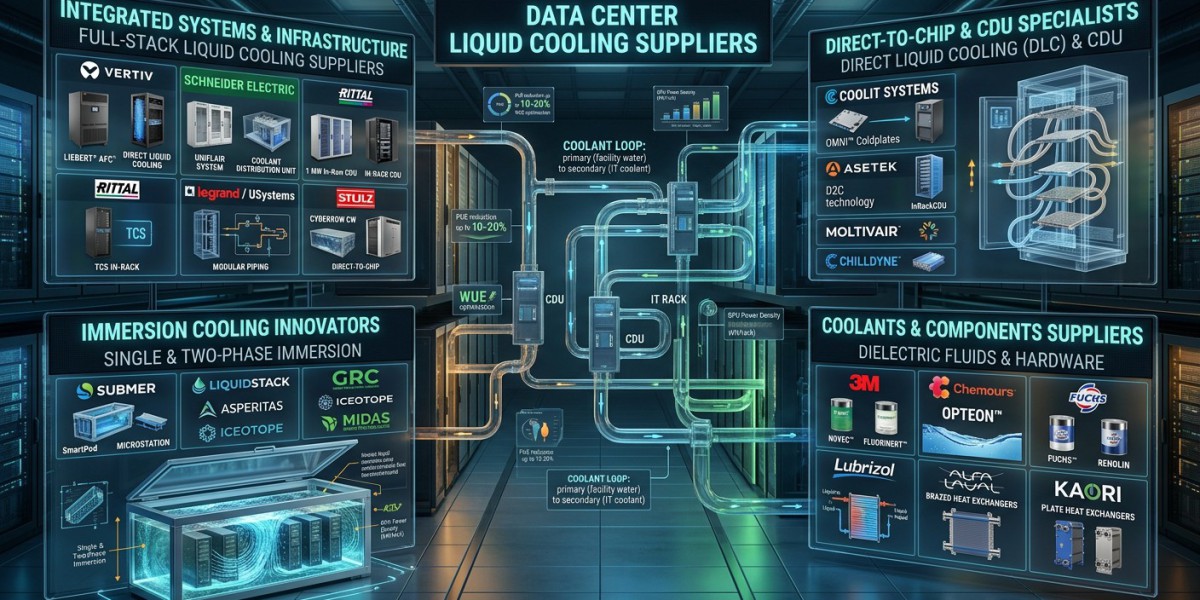

Data centers require reliable cooling systems to manage the heat produced by servers, networking equipment, and other high-performance computing hardware. As artificial intelligence, cloud computing, and high-density servers continue to grow, traditional air cooling may not provide enough cooling capacity for every application. Liquid cooling offers an effective solution by transferring heat away from critical equipment more efficiently.
Fittings for liquid-cooled data centers play an important role in these systems. They connect pipes, hoses, manifolds, pumps, and cooling units to create a reliable path for coolant circulation. Selecting the right fittings helps maintain consistent flow, prevent leaks, and support the long-term performance of data center infrastructure.
Why Liquid Cooling Requires Reliable Fittings
Liquid cooling systems depend on a controlled flow of coolant between heat-generating components and heat removal equipment. Fittings connect different sections of this network and help maintain a secure, leak-resistant system.
Even a small leak can create serious problems around expensive servers and electrical equipment. Poor-quality connections may also restrict coolant flow, reduce cooling efficiency, or increase maintenance requirements. For this reason, fittings must meet the pressure, temperature, chemical compatibility, and flow requirements of the cooling system.
Reliable fittings also help simplify installation and servicing. Properly designed connections allow technicians to inspect, replace, or maintain individual components without unnecessary disruption to the entire cooling network.
Common Types of Fittings for Liquid-Cooled Data Centers
Different cooling applications require different fitting designs. The correct choice depends on the piping layout, coolant type, operating conditions, and equipment connections.
Threaded Fittings
Threaded fittings provide a practical way to connect pipes, valves, pumps, and other components. They are available in different sizes and thread standards to suit specific system requirements. Proper thread selection and compatible sealing materials are essential to prevent leakage.
These fittings are useful in cooling distribution units, equipment connections, and supporting plumbing systems where threaded interfaces are appropriate.
Compression Fittings
Compression fittings create secure connections by compressing a sealing element or ferrule around a pipe or tube. They are commonly used where dependable connections and straightforward installation are important.
Correct sizing and installation help maintain a reliable seal. These fittings can be suitable for selected tubing applications, depending on the manufacturer's pressure ratings and material specifications.
Quick-Disconnect Fittings
Quick-disconnect fittings allow technicians to connect or disconnect coolant lines with minimal effort. Many designs include shut-off mechanisms that help limit fluid loss when disconnected.
They are particularly useful for server racks, direct-to-chip cooling loops, and equipment that requires regular servicing. The selected model must be compatible with the coolant and designed for the system's required flow rate and operating pressure.
Stainless Steel Fittings
Stainless steel fittings offer strength, corrosion resistance, and durability in demanding cooling environments. They can be used in suitable coolant distribution networks, piping assemblies, and industrial cooling applications.
Material selection remains important because coolant chemistry, temperature, and contact with other metals can affect long-term performance. Stainless steel grades should be chosen according to the specific operating environment.
Elbows, Tees, and Reducers
Elbows change the direction of coolant flow, while tees divide or combine flow paths. Reducers connect pipes or tubes with different diameters.
These fittings help engineers design cooling layouts that fit within limited data center space. Proper sizing and layout can also reduce unnecessary pressure drops and support balanced coolant distribution.
Key Materials Used in Cooling System Fittings
The material used in a fitting affects its strength, durability, corrosion resistance, and compatibility with the cooling fluid.
Stainless steel is often considered for applications requiring mechanical strength and corrosion resistance. Brass may be suitable for certain systems when coolant compatibility and galvanic corrosion risks have been evaluated. Copper fittings can be appropriate in cooling networks designed around copper tubing, while engineered polymers may suit specific low-pressure or specialized applications.
No single material is ideal for every installation. Engineers should consider coolant composition, operating pressure, temperature range, sealing requirements, and contact with other metals before selecting a fitting.
Benefits of High-Quality Data Center Cooling Fittings
High-quality fittings support the performance and reliability of liquid cooling infrastructure. Their benefits extend beyond simply connecting pipes.
First, dependable fittings reduce the risk of coolant leaks that could damage sensitive electronic equipment. Secure connections also help maintain stable coolant flow, allowing heat to move efficiently from servers to heat exchangers or cooling distribution units.
Second, durable fittings can reduce maintenance demands. Components designed for the actual operating conditions are less likely to experience premature wear, corrosion, or connection failures.
Finally, well-designed fittings support system flexibility. Modular connections and suitable quick-disconnect options make it easier to service equipment, expand rack capacity, and adapt cooling infrastructure as computing demands increase.
How to Choose the Right Fittings for Liquid-Cooled Data Centers
Choosing appropriate fittings requires more than comparing dimensions or prices. System designers should first confirm the required connection type, nominal size, flow capacity, and pressure rating. Every fitting must be suitable for the maximum expected operating conditions.
Coolant compatibility is equally important. Water-based coolants, glycol mixtures, and specialized dielectric fluids may interact differently with metals, seals, and polymers. Manufacturers' compatibility documentation should guide the selection process.
Leak prevention should also be a priority. Fittings must use appropriate sealing methods and follow the manufacturer's installation instructions. Over-tightening, incorrect thread combinations, or unsuitable seals can compromise a connection.
Maintenance needs should influence the final decision as well. Systems that require frequent component replacement may benefit from accessible connections and approved quick-disconnect fittings. However, every additional connection should be evaluated for its potential effect on reliability and pressure loss.
Working with experienced suppliers can help businesses identify suitable components, verify specifications, and maintain consistency across large installations.
The Role of Fittings in AI and High-Density Computing
Artificial intelligence workloads and high-performance computing systems can produce substantial amounts of heat within a relatively small space. Liquid cooling helps address these thermal demands by transferring heat directly from processors or other components.
In these environments, fittings help connect cold plates, coolant distribution units, manifolds, and rack-level cooling loops. Their performance can influence maintenance access, flow consistency, and the overall reliability of the cooling system.
As data centers expand, standardized connections and carefully planned piping layouts can make upgrades easier. Selecting fittings that meet current requirements while supporting future expansion can help operators avoid unnecessary redesigns.
Conclusion
Fittings for liquid-cooled data centers are essential components of modern cooling infrastructure. Threaded, compression, quick-disconnect, stainless steel, and other specialized fittings each serve different purposes within coolant distribution networks.
The best selection depends on material compatibility, pressure ratings, flow requirements, sealing performance, and maintenance needs. By prioritizing reliable components and correct installation, data center operators can reduce leakage risks, support efficient heat transfer, and build cooling systems that meet the demands of modern computing.






