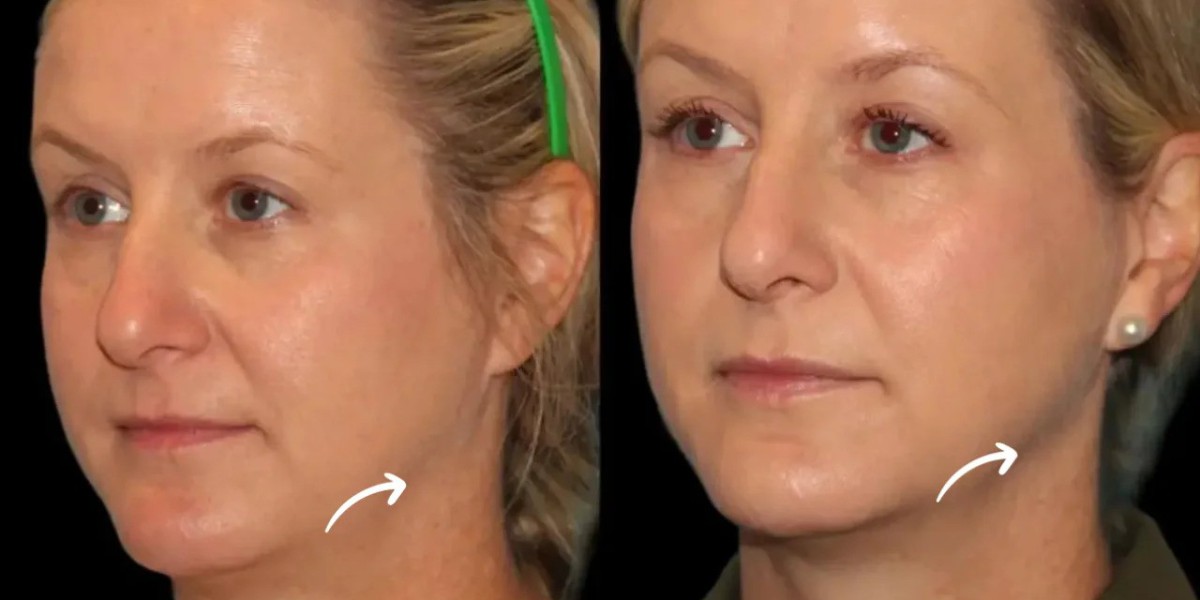

Aesthetic treatments increasingly focus on gradual improvements that respect natural facial features, individual anatomy, and long-term skin quality. Rather than aiming for dramatic changes in a single appointment, many people prefer an approach that allows adjustments as their skin responds. Sculptra in Dubai is an option for individuals interested in collagen stimulation and progressive improvements in selected areas of the face and body.
Sculptra is an injectable treatment made with poly-L-lactic acid (PLLA), a biocompatible synthetic material that stimulates the body's collagen production. Unlike traditional hyaluronic acid fillers, which provide immediate volume, Sculptra works gradually as the body's natural collagen response develops. Treatment commonly involves multiple sessions, depending on the area being treated, individual anatomy, and the desired outcome.
Building flexibility into a multi-session treatment plan means allowing decisions to evolve over time. The initial assessment establishes a starting point, while subsequent appointments provide opportunities to review progress, discuss concerns, and determine whether further treatment is appropriate. At Perfect Doctors Clinic, understanding the principles behind personalized treatment planning can help patients make informed decisions about their aesthetic goals.
Understanding Sculptra in Dubai and Its Multi-Session Approach
Sculptra in Dubai is designed to support gradual collagen development rather than create its final aesthetic effect immediately. Collagen is an important structural protein that contributes to skin firmness, support, and resilience. As natural collagen production changes with age, certain areas may develop volume loss, reduced firmness, or more noticeable contours.
A multi-session approach allows the treatment plan to account for the body's response instead of assuming that every patient will require the same amount of product or number of appointments.
Why Multiple Sessions May Be Recommended
The number of sessions depends on several considerations, including the treatment area, skin condition, medical history, and individual goals. Some patients may benefit from a limited treatment course, while others may require a more extended plan.
A staged approach can provide opportunities to:
Assess the response to previous injections.
Allow time for temporary swelling and tenderness to settle.
Review gradual changes in skin quality and contour.
Reconsider the amount of additional treatment needed.
Adjust expectations according to realistic outcomes.
Identify concerns before proceeding with another appointment.
The objective is not to complete a predetermined number of sessions regardless of the results. Instead, each appointment should have a clear purpose supported by clinical assessment.
How Collagen Stimulation Influences Treatment Timing
The effects of Sculptra develop over time. Immediately after injections, temporary swelling may create an appearance that does not represent the eventual result. As the swelling subsides, the treated area may initially appear less full before gradual collagen-related changes become noticeable.
This timeline makes patience an important part of treatment planning. Allowing sufficient time between sessions can help the practitioner evaluate the response more accurately and avoid making decisions based solely on early changes.
Building Flexibility Into the Initial Treatment Plan
A flexible treatment plan begins with a detailed consultation. Before recommending sculptra injections, a qualified medical professional should assess the patient's goals, medical history, skin characteristics, and suitability for the procedure.
At Perfect Doctors Clinic, patients considering Sculptra can benefit from understanding why the treatment plan should be individualized rather than based on a standard package.
Establishing Clear and Realistic Goals
Patients may want to improve facial volume, support skin quality, or address changes associated with aging. However, these goals need to be translated into realistic treatment objectives.
For example, a person concerned about cheek hollowing may need a different approach from someone whose primary concern is reduced skin firmness. The distinction matters because Sculptra is not designed to address every aesthetic concern equally.
During consultation, useful questions include:
Which area is the main priority?
Is the concern primarily related to volume loss, skin texture, or laxity?
Would gradual improvement meet the patient's expectations?
Are there alternative treatments that may better address the concern?
What level of change would be considered satisfactory?
Clear goals make it easier to assess whether additional sessions are necessary.
Reviewing Anatomy and Skin Characteristics
Facial anatomy, tissue thickness, and the distribution of existing volume can influence treatment decisions. A plan suitable for one person may not be appropriate for another, even when both have similar concerns.
Assessment should consider facial proportions, skin quality, previous procedures, and the relationship between the proposed treatment area and surrounding structures. These factors help establish an appropriate starting point and identify situations where another treatment may be more suitable.
Adjusting Each Session According to Progress
One of the main advantages of staged treatment planning is the opportunity to reassess progress. Rather than automatically repeating the original plan, the practitioner can review the available evidence and determine whether further treatment offers a meaningful benefit.
Monitoring Changes Between Appointments
Progress should be assessed after enough time has passed for early swelling and other temporary effects to settle. Depending on the individual and treatment area, collagen-related changes may take several weeks or months to become more apparent.
Clinical reviews may consider:
Changes in contour and volume.
Skin firmness and visible texture.
Symmetry and balance between treated areas.
Patient satisfaction with the degree of improvement.
Any persistent discomfort, lumps, or other complications.
Standardized photographs, taken with appropriate consent and consistent lighting, may help compare changes over time. However, photographs should complement rather than replace a clinical examination.
When a Treatment Plan Should Be Modified
A flexible plan recognizes that additional injections are not always necessary. If the desired improvement is developing satisfactorily, the practitioner may recommend waiting rather than proceeding with another session.
If the response is limited, the next step should involve reassessment rather than automatically increasing the amount of product. The practitioner may review the original diagnosis, treatment technique, timing, and suitability of Sculptra for the concern.
Patients should also feel comfortable discussing unexpected changes or concerns before continuing.
Sculptra Face Treatments and Individualized Planning
The face contains several interconnected anatomical regions, each contributing to overall balance. Sculptra face treatments may be considered for selected patients experiencing facial volume loss or changes in skin quality.
However, the face should not be treated as a collection of unrelated areas. Changes in one region can influence the appearance of another, making an overall assessment important.
Sculptra Cheeks and Facial Balance
The cheeks contribute to midface structure and facial proportions. Sculptra cheeks treatments may be considered when gradual restoration of selected areas is appropriate.
Treatment planning should account for existing cheek volume, tissue support, skin thickness, and the relationship between the midface and lower face. Excessive treatment can produce an undesirable appearance, so conservative planning and reassessment are important.
Sculptra for the Neck
Neck skin differs from facial skin in thickness, movement, and structural support. Sculptra for neck concerns therefore require a careful assessment of skin quality, laxity, and the underlying cause of visible changes.
Not every neck concern is suitable for Sculptra. Significant loose skin, prominent muscle bands, or other structural issues may require different approaches. A qualified practitioner should explain the limitations and alternatives before treatment.
Sculptra for Buttocks and Body Contouring Considerations
Some patients explore sculptra for buttocks to address selected contour concerns or seek gradual improvements in the appearance of treated areas. Body treatments require distinct planning because tissue depth, anatomical structures, treatment objectives, and safety considerations differ from those associated with facial injections.
Understanding Sculptra Buttock Injections
Sculptra buttock injections should only be considered after a qualified medical professional has assessed the patient's suitability and explained the relevant risks, limitations, and expected results.
The treatment is not equivalent to surgical buttock augmentation. It should not be presented as a guaranteed way to achieve substantial size increases or dramatic reshaping.
The practitioner should discuss the intended outcome, appropriate treatment technique, product use, and follow-up requirements. Patients should also understand that body-contouring outcomes vary and that evidence and approved uses may differ by treatment area and jurisdiction.
Sculptra for Hip Dips
Sculptra for hip dips may appeal to individuals seeking a gradual change in the contour between the hips and upper thighs. However, hip dips are a normal anatomical feature influenced by pelvic structure, fat distribution, and muscle anatomy.
Treatment cannot change the underlying bone structure, and the degree of contour improvement may be limited.
A consultation should establish whether the concern is suitable for injectable treatment and whether the expected benefit justifies the cost and potential risks.
Setting Expectations for Buttocks Sculptra
People researching buttocks sculptra or a sculptra filler for buttocks should understand that treatment outcomes are variable. Multiple appointments may be considered, but more sessions do not automatically produce better results.
The practitioner should explain:
The realistic extent of possible contour changes.
The limitations of collagen stimulation.
The potential for swelling, tenderness, bruising, nodules, or other complications.
The expected follow-up schedule.
Available alternatives, including choosing no treatment.
Any proposed treatment should prioritize safety and realistic expectations over a predetermined aesthetic result.
Understanding Sculptra Dermal Filler Characteristics
Although Sculptra is commonly discussed alongside conventional fillers, its mechanism differs from that of hyaluronic acid products. A sculptra dermal filler treatment stimulates collagen production over time rather than providing the same immediate volumizing effect as a typical hyaluronic acid injection.
This distinction affects both scheduling and expectations.
Gradual Results Versus Immediate Volume
Patients seeking an immediate, precisely adjustable change may prefer to discuss other options. Sculptra may be more appropriate for selected concerns where gradual improvement is consistent with the patient's goals.
The consultation should explain the expected timeline and the fact that the initial post-injection appearance is not the final result.
Why Product Selection Matters
Not all injectable products are interchangeable. A practitioner should explain why Sculptra is being considered, how its characteristics relate to the treatment goal, and whether another product or procedure may be more appropriate.
Patients should receive information about the product being used, its traceability, and the relevant consent and aftercare requirements.
Sculptra Cost in Dubai and Flexible Budget Planning
The sculptra cost is an important consideration when planning a treatment course. The overall expense may depend on the amount of product required, the number of sessions, the treatment area, the complexity of the procedure, and follow-up arrangements.
The Sculptra Cost in dubai should therefore be discussed in relation to the proposed treatment plan rather than presented as a universal figure.
Factors That Influence Sculptra Price
The sculptra price may vary according to:
The number of vials required.
The area being treated.
The number and timing of appointments.
The practitioner's qualifications and clinical assessment.
Follow-up consultations and any included services.
Whether additional treatment is recommended after reassessment.
Patients should request a clear explanation of what the quoted fee includes. They should also ask whether follow-up visits are included and how any changes to the treatment plan may affect the final expense.
Budgeting for Multiple Sessions
A flexible financial plan should distinguish between the initially recommended course and any treatment that might be considered later.
Patients should not feel pressured to purchase a large package before the suitability of treatment has been established. It is reasonable to discuss staged payment, the cost of individual appointments, and the option of stopping when an appropriate result has been achieved.
Internal resources about the Best Aesthetic Clinic in Dubai, Best Doctors in Dubai, and Sculptra pricing can help patients organize their research. Nevertheless, provider selection should be based on verified qualifications, appropriate medical facilities, transparent communication, and safe clinical practice rather than promotional claims alone.
Choosing a Provider at Best Aesthetic Clinic in Dubai
Choosing a suitable provider is an important part of building flexibility into a multi-session plan. Patients considering treatment at Perfect Doctors Clinic a Best Aesthetic Clinic in Dubai should seek clear answers about the practitioner's qualifications, experience with the proposed treatment area, and approach to follow-up care.
The consultation process should cover medical history, previous aesthetic procedures, allergies, current medications, and relevant health conditions. Patients should disclose these details accurately because they may affect suitability and complication risks.
When discussing treatment with Dr Perfect Celebrity, patients should expect a clear explanation of the proposed approach, realistic outcomes, and available alternatives.
Questions to Ask Before Starting
Before proceeding, consider asking:
Why is Sculptra suitable for my specific concern?
What improvement can reasonably be expected?
How will progress be evaluated?
When will the next session be considered?
What risks are associated with my treatment area?
What should I do if a lump or persistent swelling develops?
What is included in the quoted cost?
What alternatives are available?
Clear communication supports informed consent and allows the plan to change when clinical circumstances or patient preferences change.
Safety, Recovery, and Follow-Up Planning
Sculptra is a medical procedure and should not be treated as risk-free. Potential adverse effects include swelling, tenderness, redness, bruising, and discomfort. Lumps or nodules may also develop, sometimes after a delay. More serious complications are possible, although their likelihood depends on several factors.
Patients should follow individualized aftercare instructions and attend recommended reviews. Any massage instructions should come from the treating practitioner because recommendations may depend on the treatment area and clinical circumstances.
When to Seek Medical Advice
Patients should contact their treating practitioner if they develop persistent or worsening swelling, increasing pain, unusual skin changes, or new lumps. Severe pain, skin discoloration, rapidly worsening symptoms, or signs of infection warrant prompt medical assessment.
A follow-up appointment should not automatically result in another injection. Its purpose is to review recovery, evaluate progress, answer questions, and determine whether the next stage remains appropriate.
Conclusion
Sculptra in Dubai can be considered by suitable patients seeking gradual collagen-related improvements in selected facial or body areas. Because results develop over time, the most useful treatment plan is one that combines realistic goals, careful assessment, appropriate session spacing, and regular follow-up.
Building flexibility into multi-session treatment means responding to the patient's actual progress rather than following a fixed schedule without reassessment. Some individuals may benefit from further sessions, while others may achieve a satisfactory outcome with less treatment than initially anticipated.
At Perfect Doctors Clinic, patients can use consultation and follow-up discussions to understand the potential benefits, limitations, risks, and financial considerations of Sculptra. An individualized approach helps keep treatment decisions focused on safety, natural-looking outcomes, and informed patient preferences.
Frequently Asked Questions
1. What is Sculptra in Dubai used for?
Sculptra is an injectable collagen stimulator used for selected aesthetic concerns involving facial volume loss and, in certain settings, other treatment areas. Its suitability depends on the individual's anatomy, goals, and the product's approved or supported use.
2. Why does Sculptra require multiple sessions?
Multiple sessions may be recommended because collagen development occurs gradually. A staged approach allows the practitioner to assess progress and decide whether additional treatment is appropriate.
3. How long should patients wait between Sculptra sessions?
The interval depends on the treatment area, individual response, and clinical plan. Patients should allow sufficient time for early swelling to settle and for meaningful progress to be assessed before another session is considered.
4. Can a Sculptra treatment plan be changed after the first session?
Yes. The plan can be adjusted according to the patient's response, preferences, and any concerns identified during follow-up. Additional treatment is not automatically necessary.
5. Does Sculptra provide immediate results?
No. Temporary fullness may appear immediately because of swelling and the injected suspension, but this is not the final result. Collagen-related changes develop gradually over subsequent weeks and months.
6. Is Sculptra suitable for cheeks and the neck?
It may be suitable for selected patients, depending on the concern and anatomical area. Cheeks and neck tissues have different characteristics, so each area requires an individualized assessment.
7. Can Sculptra be used for buttocks or hip dips?
Certain body-contouring treatments may be offered in appropriate clinical settings, but suitability, evidence, and approved uses must be considered. Sculptra cannot change pelvic bone structure or guarantee substantial buttock enlargement.
8. What factors affect Sculptra cost in Dubai?
Cost may depend on product quantity, treatment area, appointment numbers, clinical complexity, and follow-up arrangements. Patients should request an itemized explanation before committing to a treatment course.
9. What side effects can occur after Sculptra injections?
Common effects include swelling, tenderness, bruising, redness, and discomfort. Lumps or nodules may also occur. Persistent, worsening, or unusual symptoms should be assessed by a qualified medical professional.
10. How can patients decide whether another Sculptra session is needed?
The decision should be based on clinical assessment, the time elapsed since treatment, the degree of improvement, and the patient's goals. If the outcome is satisfactory or further injections offer limited benefit, the practitioner may recommend stopping or reassessing alternative options.