
Finding investors can be an important step toward starting, growing, or expanding a business. Whether you have a startup idea, a small business, or an established company looking for growth opportunities, the right investor can provide the money and expertise you need to move forward.
However, finding investors is not always easy. Investors want to understand your business idea, evaluate its potential, and determine whether supporting your company is a worthwhile opportunity. That is why preparation, research, and a clear funding strategy are essential.
If you are researching how to get money for a business, attracting investors is one option worth exploring. Investors may provide capital in exchange for an ownership stake or through another agreed investment arrangement. Some may also offer valuable industry knowledge, mentorship, and business connections.
In this article, you will learn how to find investors for your business, prepare your company for investment, approach potential investors, and improve your chances of securing funding.
1. Understand How Much Funding Your Business Needs
Before searching for investors, determine how much money your business requires. Having a clear funding target helps you approach suitable investors and explain exactly why you need their support.
Start by calculating your startup costs, operating expenses, marketing budget, equipment costs, inventory requirements, and expected cash flow needs.
For example, an online store may need funding for website development, inventory, advertising, and shipping. A technology startup may require additional money for product development, software, and hiring skilled employees.
Create a realistic budget and identify how much money you can contribute yourself, if any. Then calculate the additional funding required to achieve your business goals.
You should also explain how the investment will help your company grow. Investors are more likely to take your proposal seriously when you can demonstrate a clear plan for using their money.
2. Prepare a Strong Business Plan
A professional business plan helps investors understand your business opportunity and evaluate its potential.
Your plan should explain what your business does, who your customers are, how you generate revenue, and what makes your product or service different from competitors.
Include the following essential information:
Business overview: Describe your company, products, services, and mission.
Target market: Identify your ideal customers and explain the demand for your offering.
Revenue model: Show how your business will generate income.
Marketing strategy: Explain how you plan to attract and retain customers.
Financial projections: Estimate revenue, expenses, cash flow, and profitability using reasonable assumptions.
Funding requirements: State how much investment you need and how you intend to use it.
Growth strategy: Explain how the business could expand over time.
Your business plan should be clear, realistic, and supported by relevant research. Avoid making promises that you cannot substantiate.
If your business is already operating, include useful evidence such as sales figures, customer growth, repeat purchases, or other relevant performance indicators.
3. Create a Professional Investor Pitch Deck
An investor pitch deck is a short presentation that introduces your business and explains why it may be an attractive investment opportunity.
A well-prepared pitch deck helps you communicate your idea clearly during investor meetings and initial conversations.
Your presentation should generally cover the problem your business solves, your solution, target market, business model, competitors, marketing strategy, financial projections, team, and funding request.
Keep your slides organized and easy to understand. Use charts, examples, and relevant data to support your claims rather than filling the presentation with too much text.
Investors may review many opportunities, so explain what makes your business distinctive and why customers would choose your product or service.
Practice presenting your pitch in a concise and confident way. Be prepared to answer questions about your costs, expected revenue, risks, competition, and plans for using the investment.
4. Look for Angel Investors
Angel investors are individuals who invest their own money in businesses, often startups and early-stage companies. In return, they may receive equity or another agreed financial interest.
Some angel investors focus on particular industries, such as technology, healthcare, retail, education, or consumer products. Others may support entrepreneurs in industries where they have professional experience.
You can find potential angel investors through startup communities, entrepreneur networks, industry events, referrals, and reputable investor directories.
When researching investors, look for people whose investment interests match your business model, industry, and stage of development.
Before contacting an investor, learn about their previous investments and the types of businesses they typically support. This helps you make your approach more relevant.
A personalized message explaining your business, funding needs, and reasons for contacting that investor is usually more effective than sending the same generic pitch to everyone.
5. Explore Venture Capital Firms
Venture capital firms invest in businesses they believe have the potential to grow significantly. They commonly focus on companies with scalable products, large markets, and opportunities for substantial expansion.
Venture capital may be suitable for technology startups, innovative companies, and businesses that can serve growing customer markets.
However, venture capital is not the right choice for every business. Many firms seek opportunities with the potential for significant returns, and they may require a meaningful ownership stake and involvement in important company decisions.
To find suitable venture capital firms, research their investment criteria, preferred industries, typical investment stages, and previous portfolio companies.
Check whether the firm supports pre-seed, seed, early-stage, or later-stage businesses. Your company should fit the firm's investment focus before you approach its team.
If your business is a small local shop or a traditional service company with limited expansion plans, other funding options may be more appropriate.
6. Use Online Platforms to Find Investors
Online platforms can help entrepreneurs discover potential investors and connect with startup funding communities.
Depending on your location and business type, you may find investor directories, startup networking platforms, angel investment networks, and equity crowdfunding platforms.
These resources can help you identify investors by industry, investment stage, location, or business interests.
Before using a platform, research its reputation, fees, eligibility requirements, and verification procedures. Some platforms are designed primarily for networking, while others facilitate formal fundraising.
Prepare a professional business profile and explain your funding requirements clearly. Include relevant information about your business model, market opportunity, progress, and future plans.
Be cautious of people who promise guaranteed investment in exchange for suspicious upfront payments. Verify potential investors and seek professional advice before signing agreements or sharing confidential business information.
7. Attend Business Networking Events and Startup Conferences
Networking events can help you meet investors, experienced entrepreneurs, business advisers, and potential partners.
Startup conferences, industry exhibitions, business seminars, pitch competitions, and entrepreneur meetups are useful places to build relationships and learn about funding opportunities.
When attending an event, prepare a short introduction that explains your business, the problem you solve, and what makes your idea valuable.
Focus on building genuine relationships rather than asking everyone you meet for money. Investors may want to learn more about your business before considering an investment.
Follow up after meeting someone by sending a brief, personalized message and sharing relevant information about your company.
You can also ask experienced entrepreneurs for introductions to investors who may be interested in your industry.
8. Ask for Referrals From Your Professional Network
Personal introductions can help you connect with investors who are difficult to reach through cold outreach.
Consider asking trusted business owners, accountants, lawyers, mentors, former colleagues, and industry contacts whether they know investors who support companies like yours.
A referral does not guarantee funding, but it may help establish an initial level of trust and make it easier to begin a conversation.
When requesting an introduction, provide a short description of your business, the amount of funding you are seeking, and why you believe the investor could be a good match.
Make it easy for your contact to explain your opportunity by sharing a concise company summary or pitch deck.
Always respect your contact's time and avoid pressuring anyone to make introductions.
9. Demonstrate That Your Business Has Growth Potential
Investors generally want to understand whether a business can create value and generate an attractive return relative to its risks.
A good idea alone may not be enough. You need to demonstrate that customers want your product or service and that your business has a realistic way to generate revenue.
If possible, gather evidence before approaching investors. This might include early sales, customer feedback, product demonstrations, repeat purchases, partnerships, or successful pilot projects.
Explain the size of your target market, the competition you face, and how you plan to attract customers.
You should also acknowledge the risks involved and describe how you intend to manage them.
If your company is still at the idea stage, consider developing a prototype or testing demand on a smaller scale before seeking substantial investment.
10. Build Relationships Before Asking for Money
Finding investors is often a process rather than a single conversation. Some investors may want to follow your progress before deciding whether to invest.
Share meaningful business updates when appropriate, such as product launches, customer milestones, partnerships, or improvements in revenue.
Keep your communications professional and relevant. Avoid sending frequent messages without new information or repeatedly asking for an immediate decision.
Listen carefully to investor feedback and use it to improve your business plan where appropriate.
Even if an investor declines your proposal, you can thank them for their time and ask whether they have any brief feedback or suggestions for other potential contacts.
Building professional relationships can help you develop a stronger network and identify future funding opportunities.
11. Understand Investment Terms Before Accepting Money
Finding an interested investor is only one part of the process. Before accepting funding, make sure you understand the terms of the proposed investment.
If an investor provides money in exchange for equity, you may need to give up a percentage of your company. Depending on the agreement, investors may also receive certain voting rights, information rights, or influence over major decisions.
Other investment arrangements may involve convertible instruments or different financial terms, each with its own legal and financial implications.
Review the proposed valuation, ownership structure, decision-making arrangements, investor rights, and any conditions attached to the funding.
Consider consulting a qualified lawyer and financial adviser before signing an investment agreement. The right professional guidance can help you understand the consequences and negotiate terms that suit your business.
Do not accept an investment simply because the money is available. Make sure the arrangement supports your long-term business objectives.
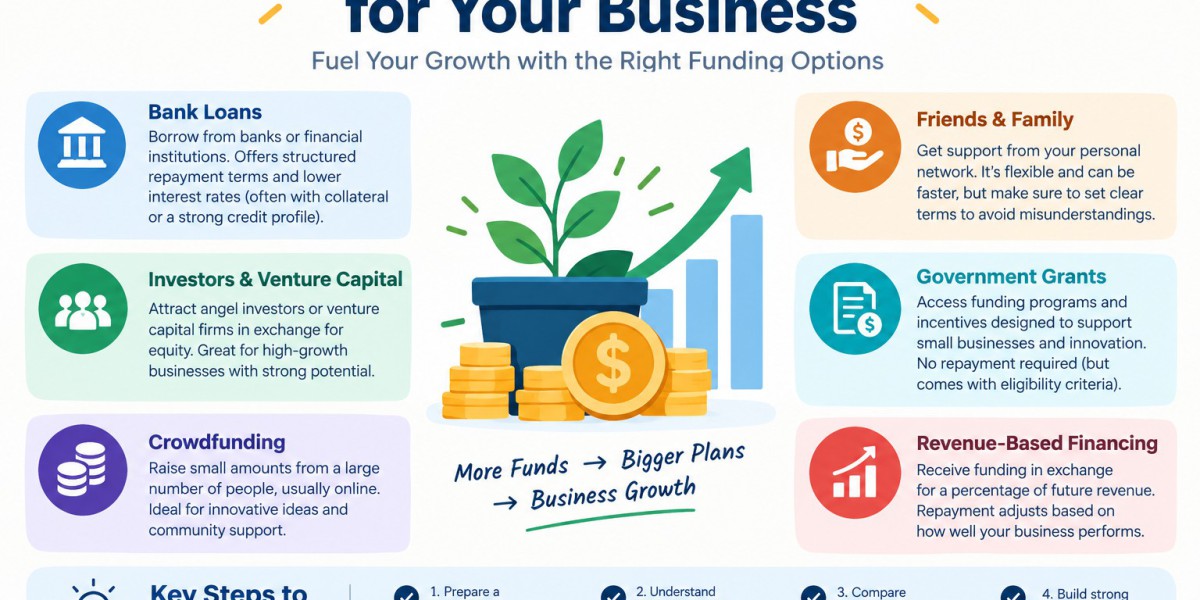
Alternative Ways to Get Money for a Business
Investors are not the only source of business funding. Depending on your needs, you may also consider:
Personal savings to cover initial startup expenses.
Small business loans for eligible companies with a realistic repayment plan.
Government grants and business support programs.
Crowdfunding from customers and supporters.
Revenue from early sales that can be reinvested into growth.
Business partnerships with clearly documented financial arrangements.
Each option has different costs, requirements, and risks. Compare them carefully before deciding how to finance your business.
For some entrepreneurs, combining personal savings with a grant, loan, or investment may be more suitable than relying on a single funding source.
Conclusion
Finding investors for your business requires preparation, research, networking, and a clear explanation of your business opportunity. Start by calculating your funding needs, developing a strong business plan, and preparing a professional pitch deck.
Then identify suitable angel investors, venture capital firms, and other potential funding partners. Use professional networks, startup events, online platforms, and referrals to establish connections with people who understand your industry and business goals.
If you are exploring how to get money for a business, remember that investors are only one possible solution. Consider all available funding options and choose the approach that best fits your financial situation and growth plans.
With realistic financial projections, evidence of customer demand, and carefully reviewed investment terms, you can improve your chances of finding suitable investors and building a sustainable business