
Starting a business is an exciting opportunity, but one of the biggest challenges for new entrepreneurs is finding enough money to turn their ideas into reality. From purchasing equipment and renting office space to buying inventory and promoting products, launching a business often requires careful financial planning.
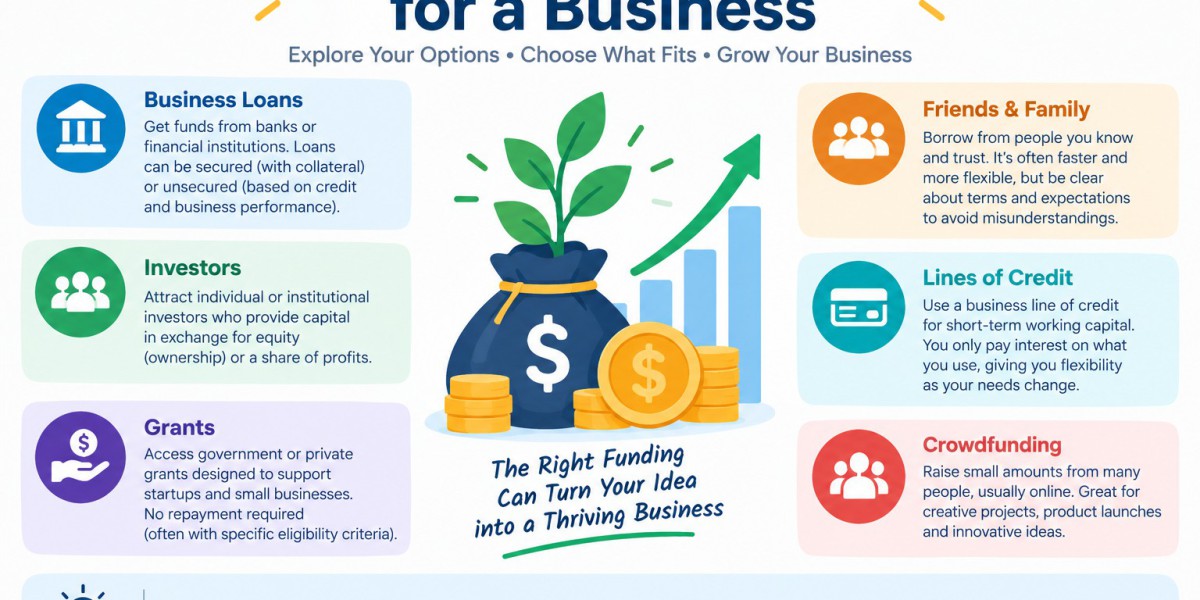
If you are wondering how to get money for a business, the good news is that several funding options are available. You do not always need a large amount of personal savings to get started. With the right strategy, a realistic business plan, and a clear understanding of your financial needs, you can explore different ways to raise money for your startup.
In this article, we will explain practical ways to raise money to start a business, how to prepare for funding, and how to choose an option that fits your goals.
1. Calculate How Much Money You Need
Before looking for funding, determine how much money your business requires. Understanding your startup costs helps you avoid borrowing too much or running out of money during the early stages.
Common startup expenses include business registration, equipment, inventory, website development, marketing, rent, employee salaries, and operating costs.
Create a detailed budget that separates one-time expenses from recurring monthly costs. You should also consider setting aside an emergency reserve for unexpected expenses or slower-than-expected sales.
For example, an online business may require less startup capital than a restaurant or manufacturing company because it may not need expensive equipment or commercial premises.
Once you know your estimated costs, you can set a realistic funding target and identify the most suitable sources of money.
2. Use Your Personal Savings
Using personal savings is one of the most straightforward ways to raise money for a new business. Many entrepreneurs start with money saved from employment, freelance projects, or other sources of income.
One advantage of this approach is that you do not have to pay interest on a loan or give away ownership to investors. You can also make business decisions independently.
However, investing your own money involves financial risk. If the business struggles or closes, you could lose the money you invested.
To reduce this risk, consider starting with a smaller version of your business idea. Test your product or service with real customers before making major investments, and avoid using money needed for essential living expenses.
You can also start a side business while maintaining your current job, allowing you to build savings and gradually invest in your business.
3. Apply for a Small Business Loan
A small business loan can help you cover startup expenses when your personal savings are not enough. Banks, credit unions, and alternative lenders offer different financing options, although eligibility requirements vary.
Depending on the lender and type of loan, you may need a business plan, financial projections, credit history, proof of income, collateral, or evidence of business activity.
Before applying, compare interest rates, repayment schedules, fees, and loan conditions. Make sure your projected business income can reasonably support the repayments.
New businesses without an established revenue history may find it harder to qualify for traditional financing. In these cases, research startup-specific lending programs or small-business financing schemes available in your location.
Borrowing money can help your business grow, but taking on more debt than you can manage may create unnecessary financial pressure.
4. Find Investors Who Support Your Business Idea
Another way to raise money is to find investors who are interested in your business opportunity. Investors provide capital in exchange for an ownership stake or another agreed financial arrangement.
Potential investors include angel investors, venture capital firms, and private individuals who invest in businesses with growth potential.
To attract investors, you need to explain why your business is worth supporting. Prepare a business plan that describes your product or service, target market, competitors, revenue model, and growth strategy.
You should also explain how much funding you need and how you plan to use the money.
Investors often look for businesses with a clear market opportunity and a realistic path to profitability. Some may also provide mentorship, professional contacts, and strategic advice.
Remember that accepting investment may require sharing ownership and decision-making power. Review the terms carefully and consider getting professional advice before signing an agreement.
5. Explore Business Grants
Business grants can provide financial support without the regular repayment obligations associated with traditional loans, provided you follow the grant's terms and conditions.
Grants may be offered by government agencies, nonprofit organizations, industry associations, and private foundations. Some programs support new entrepreneurs, technology startups, innovation, sustainability, research, or small businesses in specific industries.
The main challenge is that grants often have strict eligibility requirements and competitive application processes. Not every business or startup will qualify.
To improve your chances, research programs that match your business activities and location. Prepare the required documentation, including your business plan, budget, registration details, and explanation of how the funding will be used.
Always verify grant opportunities through official sources and be cautious of services that promise guaranteed approval in exchange for upfront payments.
6. Raise Money Through Crowdfunding
Crowdfunding allows you to collect money from many people, often through online platforms. Instead of relying on a single investor or lender, you can raise smaller contributions from customers, supporters, and members of your community.
Crowdfunding can be useful for businesses launching innovative products, creative projects, community-focused services, or products that appeal to a specific audience.
Depending on the platform, crowdfunding may involve donations, rewards, loans, or equity investments. Each model has different requirements and obligations.
To run a successful campaign, explain your business idea clearly, set a realistic funding goal, and show how the money will help bring your idea to life. Product demonstrations, photos, videos, and regular updates can help build trust with potential supporters.
You should also promote your campaign through social media, email newsletters, and relevant communities.
Keep in mind that crowdfunding platforms may charge fees, and raising money is not guaranteed.
7. Start Small and Reinvest Your Profits
You do not always need to raise all your startup capital before launching a business. In some cases, starting small and reinvesting early profits can be a practical way to grow.
For example, you could begin a service business from home, sell products online with limited inventory, or offer a small range of services before expanding.
This approach allows you to test customer demand without committing to large expenses. Once your business starts generating revenue, you can reinvest some of the profits into marketing, equipment, inventory, or additional staff.
You can also seek preorders from customers when appropriate, provided you communicate delivery timelines honestly and can meet your commitments.
Starting small may take longer than launching with substantial funding, but it can help you learn about your market while limiting your initial financial exposure.
8. Build a Business Plan That Attracts Funding
A strong business plan can make it easier to explain your funding needs to lenders, investors, grant providers, and potential business partners.
Your plan should include the following elements:
Business overview: Explain what your business does and what problem it solves.
Target market: Describe your ideal customers and the demand for your product or service.
Revenue model: Show how your business will generate income.
Startup budget: List your expected expenses and required funding.
Marketing strategy: Explain how you will reach potential customers.
Financial projections: Estimate revenue, expenses, cash flow, and profitability.
Funding request: State how much money you need and how you intend to use it.
Your projections should be realistic and based on reasonable assumptions rather than overly optimistic sales estimates.
A well-prepared business plan demonstrates that you understand the financial requirements of your business and have thought carefully about how to make it sustainable.
How to Choose the Best Way to Fund Your Startup
The right funding option depends on your business model, the amount of money you need, your financial situation, and your willingness to take on debt or share ownership.
Personal savings may suit entrepreneurs launching low-cost businesses. Loans may be useful when repayment is affordable and predictable. Investors may be a better fit for businesses with substantial growth potential, while grants and crowdfunding can provide alternatives for eligible projects.
You can also combine funding sources. For example, you might use personal savings to test your idea, apply for a suitable grant, and seek a loan or investment when your business has demonstrated customer demand.
Before making a decision, compare the total cost of each option, understand the conditions, and consider the financial risks involved.
Common Mistakes to Avoid When Raising Business Money
Raising money without a clear plan can lead to financial difficulties. Avoid these common mistakes:
Borrowing more money than your business needs or can repay.
Underestimating startup and operating expenses.
Depending on only one potential source of funding.
Accepting investment without understanding ownership and control terms.
Applying for grants without checking eligibility.
Making unrealistic promises to lenders, investors, or customers.
Ignoring cash flow and emergency expenses.
Taking time to prepare your budget, validate your business idea, and compare funding options can help you make more informed decisions.
Conclusion
Raising money to start a business requires preparation, research, and a clear understanding of your financial needs. Whether you use personal savings, apply for a small business loan, find investors, pursue grants, or launch a crowdfunding campaign, each option has advantages and potential risks.
If you are researching how to get money for a business, begin by calculating your startup costs and developing a realistic business plan. Then explore the funding sources that best match your business goals, financial circumstances, and growth plans.
You do not necessarily need a large amount of money to take the first step. By starting strategically, managing expenses, and reinvesting profits when possible, you can build a stronger financial foundation for your business and increase your chances of long-term success