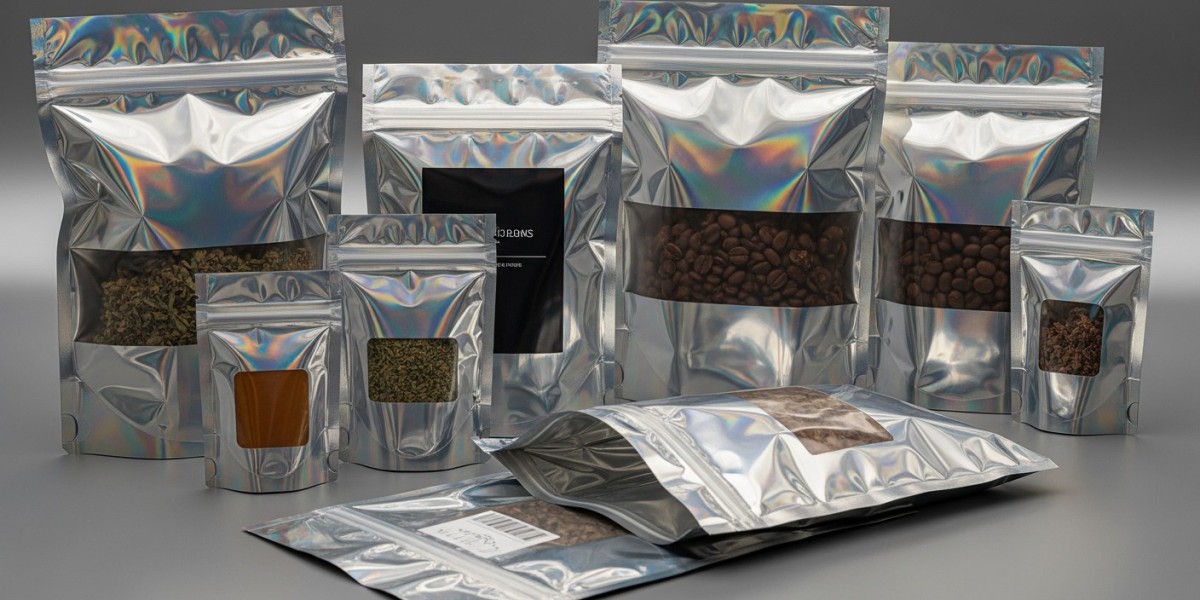

The strength of a package is as strong as its weakest link. Food, supplements and dry goods can be spoilt within days when there is air or moisture leakage through a poor seal and the same product can last a year or more when the seal does not leak. Heat seal bags are made by using heat and pressure to join two layers of plastic. This creates a bond that keeps products fresh from the factory all the way to the customer’s kitchen. Experts say the global flexible packaging market is worth, about $270 billion. They expect this market to grow by 4 to 5 percent every year until 2030. Sealable films are a part of this growing market.
How Does Heat Sealing Work?
Heat sealing works by using heat. The inside of flexible bags is made of polyethylene or polypropylene. These materials soften when they reach heat. The two layers are pressed together by a sealing bar. The plastic melts at the contact surface and flows together. Then cools to form a solid weld.
The result depends on three factors: temperature, pressure and dwell time. Polyethylene linings usually seal between 120 °C and 180 °C ( 250 °F to 360 °F). The pressure applied is normally between 20 and 60 pounds per inch. The dwell time on machines is normally, between half a second and two seconds. Any of these settings can cause a seal to be weakened with a minor alteration.
Equipment Packers Use:
An impulse sealer heats a wire for a short time then cools it under pressure. This type works well for stores and home use. Constant-heat sealers keep the sealing bars hot all the time. They work better with plastic films. Vertical form-fill-seal machines form a bag fill it and seal it in one motion. These machines can make, between 60 and 120 bags every hour.
There are home options as well. Many bags can be closed using a hair straightener or clothes iron in the case of a packer who applies even pressure and uses a protective cloth.
Why Is Mylar a Popular Sealing Material?
A typical trade name of a biaxially oriented polyethylene terephthalate (BoPET) is Mylar. It is laminated with metallized layer and a heat-sealable lining by converters thus the outer film can endure heat and the inner film can melt and bond. This design allows the bag to be closed without destroying the printed surface.
Strong barrier performance is also available with heat seal mylar bags. More than 99 percent of visible light and reduction of oxygen transmission to less than 1 cubic centimeter per square meter per day can be blocked by a metallized laminate, which helps preserve its fruits 12 months or longer.
Which Products Rely on Thermal Seals?
Dry foods are the leaders. Dry foods often come in sealed bags and sealed bags are used for coffee, grains and baking mixes because they need protection, against air and humidity. Supplements, pet treats and craft supplies come behind. They are also relied on in long-term food storage as rice and beans can last 20 or more years with a good seal and a oxygen absorber.
Explain Good Seal:
A good seal is smooth and shows no bubbles or discolored areas. A seal width of 8 to 10 millimeters is the target size that most converters aim for. This size helps balance seal strength, with the amount of film used.
Peel tests are used to measure strength in labs. Common tests, including ASTM F88, cling to a one-inch strip and measure the force and the food-grade seals usually test in the range of 2 to 6 pounds per inch of width. These peel-test results should be requested by the buyers who compare mylar heat seal bags of various suppliers.
Do Vacuum Sealing Methods Work With Mylar?
Some do. Vacuum sealable mylar bags should either have an embossed texture forming an air channel or a vacuum machine that draws air out of the entire bag. Smooth mylar prevents the channels occupied by most household sealers leading to poor vacuums and ineffective seals.
Foods are also different. Liquid materials compress during a vacuum, and dusty materials might block the venturing zone. To prevent both issues, many packers use a light vacuum in combination with oxygen absorber.
Why Order Custom Heat Seal Bags?
Product sizes are not always the same, as stock sizes. Custom heat seal bags let a company choose the size, film thickness, type of closure and print design that works best for its product. The right-sized bags cut down on wasted film and trapped air, and printed bags create brand awareness when there is a large crowd of bags on the shelf.
Order sizes vary. Digital printing is used when a few hundred units are involved, whereas traditional printing can be 1,000 to 10,000 units in print and three to six weeks lead time.
Mistakes Cause Seal Failures
Most failures are caused by four problems. Packers either under- or over-set the temperature, over-pack the bag causing contents to be in the seal area, fail to wipe off powder or grease on the opening or fail to test before a complete production run. All of them form microscopic pipes that allow air to pass.
Most of them are prevented by a mere routine. Fill the bag up to approximately 80 percent full, wash down the seal area, seal and squeeze it lightly to check for leaks.
Are these Bags Recyclable?
Less than 10 percent of flexible plastic film is recovered by the recyclers on a global basis. Laminates containing metals are a combination of multiple materials and thus not easily recycled at the curbside. There are suppliers today of mono-material polyethylene structures which are easier to recycle, and numerous grocery chains will take clean plastic film at drop-off locations. The brands must ensure that the local rules are confirmed prior to printing a recycling claim.
Conclusion
Good seals need compatibility of the film and settings. Buyers can select the type of packaging by learning about temperatures, layers and testing methods that keep freshness safe, stop leakage and test shipping and storage.






