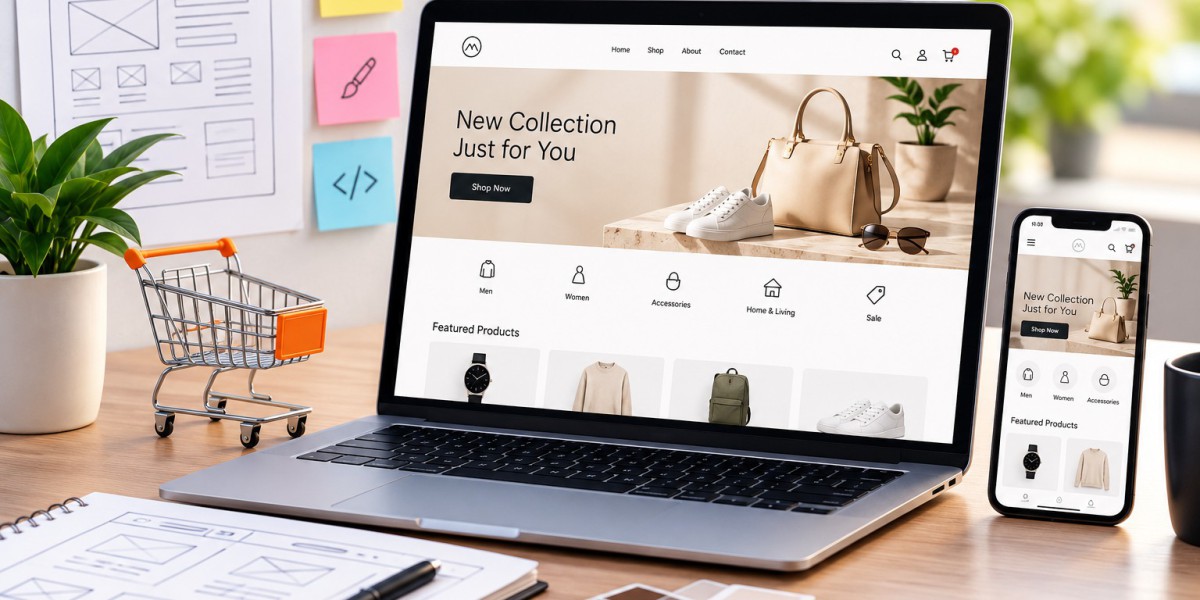

Not every business needs a full rebuild. Sometimes the store is mostly sound, but a few areas hold back sales, such as confusing product pages, weak search, or a long checkout. E-commerce website customization improves those areas through targeted design and development changes. This article shows where customization pays off, how to do it safely on popular platforms, and how it connects to wider custom ecommerce web design, custom ecommerce web development, and the support of a custom ecommerce web design service.
Where E-Commerce Website Customization Delivers the Most Value
Product Pages and Variants
Product pages decide whether visitors buy. Customization can add larger image galleries, zoom, video, size guides, delivery estimates, and clear variant selectors for color, size, or material. You can also display stock levels, review summaries, and related items. Because each product category has different needs, a custom layout for furniture can differ from one for skincare. Small improvements here often produce quick gains, since the page sits directly before the add-to-cart action.
Navigation, Search, and Filtering
Shoppers with large catalogs depend on navigation and search. E-commerce website customization can introduce mega menus, faceted filters, saved searches, and typo-tolerant search powered by tools such as Algolia or Searchanise. Filters should reflect how people choose products, for example by price, size, brand, or rating, rather than internal database fields. Done well, these changes shorten the time between landing and finding the right item, which supports both conversion and customer satisfaction.
Checkout Customization
Checkout is where many sales are lost. Customization may reduce form fields, enable guest checkout, add address autocomplete, display delivery costs earlier, and offer wallets such as Apple Pay, Google Pay, and PayPal. Trust signals like secure payment badges and clear return information calm last-minute doubts. Some platforms restrict checkout changes, so it is important to understand what is possible before planning. Even small steps, such as clearer error messages, can lower abandonment.
Custom Features for Specific Business Models
Different business models need different tools. Wholesalers may need quote requests, tiered pricing, and account-based catalogs. Brands selling personalized goods may need product configurators with live previews. Subscription stores need flexible billing and customer portals. Custom ecommerce web development can add these features without replacing the platform, so you keep what already works while gaining tools built for your sales process.
Personalization and Merchandising Tweaks
Customization is not limited to layout. Stores can show different banners to new and returning visitors, feature best sellers by region, or recommend related items based on browsing behavior. Merchandising rules can push seasonal products higher in category pages, hide out-of-stock items, or highlight items with higher margins. These changes help shoppers discover products faster while giving your team more control over what customers see first.
Customizing Content, Landing Pages, and Promotions
Marketing campaigns often need their own pages and rules. Customization can add flexible landing page templates, countdown timers, tiered discounts, free-gift thresholds, and promotional banners that update without developer help. Consistent design across these elements keeps campaigns on brand and speeds up launches. Because the templates are reusable, your team can respond quickly to holidays, product drops, and seasonal sales without rebuilding sections each time.
Customizing Safely on Shopify, WooCommerce, and Adobe Commerce
Shopify and BigCommerce
On Shopify, customization is usually done through theme code in Liquid, theme app extensions, and carefully chosen apps. Shopify Plus adds checkout extensibility and more automation. BigCommerce offers a similar mix of themes, APIs, and apps. On both platforms, avoid stacking many apps that inject heavy scripts, because they can slow pages. A developer can often replace several apps with one lightweight custom feature.
WooCommerce and Adobe Commerce
WooCommerce is highly flexible thanks to WordPress hooks, child themes, and custom plugins. The key is to avoid editing core files so updates do not erase your work. Adobe Commerce, formerly Magento, supports deep customization through modules and extensions, but it needs experienced developers because mistakes can affect performance and upgrades. In both cases, work should be built in a staging environment and kept in version control.
Testing, Performance, and Maintenance
Every change should be tested for function, speed, and security before it reaches customers. Check Core Web Vitals, mobile layouts, and payment flows after each release. Keep a record of customizations so future developers understand what was changed and why. Scheduled maintenance, including updates and backups, keeps customizations compatible with platform changes and reduces the risk of unexpected downtime.
Planning and Prioritizing Customization Work
With many possible changes, prioritization matters. Start by reviewing analytics to find the pages with the highest traffic and the highest drop-off. Estimate the effort and potential impact of each improvement, then tackle the most valuable ones first. Customer feedback, support tickets, and session recordings reveal frustrations that numbers alone may hide. A phased plan keeps the budget under control and lets you measure the effect of each change before moving on.
What is e-commerce website customization?
It is the process of modifying an existing online store to improve design, features, and user experience. Examples include custom product pages, advanced filters, checkout changes, and integrations with other business systems.
When should I customize instead of rebuilding?
Customize when the platform and core structure still meet your needs but specific areas underperform. Rebuild when the platform limits growth, the code is outdated, or the design no longer reflects your brand.
Will customization slow my store down?
It can if it is poorly done. Well-planned work uses clean code, limits third-party scripts, and is tested for speed. Customization can actually improve performance when it replaces heavy plugins with efficient, purpose-built features.
Can I customize without developer skills?
Basic changes such as colors, layouts, and content blocks are possible through platform editors. Advanced changes, such as new checkout logic or integrations, are best handled by a custom ecommerce web design service or experienced developers.
Is customization compatible with future platform updates?
Yes, when it follows platform guidelines. Using child themes, official APIs, and extension points helps customizations survive updates, and regular testing catches conflicts early.
How much does e-commerce website customization cost?
Costs depend on the size of the change. A simple template adjustment is much cheaper than building a configurator or integrating an ERP. Ask for itemized estimates so you can choose the improvements that offer the best return.
Can customization improve my existing store's speed?
Yes. Replacing multiple heavy apps with one efficient custom feature, optimizing images, and cleaning unused code can reduce load times and improve the browsing experience.
How do I know which customizations to start with?
Review analytics for pages with high traffic and high drop-off, then gather customer feedback. Begin with changes that are simple to build and likely to affect sales, such as product page and checkout improvements.
Final Thoughts
E-commerce website customization lets you improve what matters most without the cost and disruption of starting from zero. By focusing on product pages, search, checkout, and features tied to your business model, you can raise conversions steadily. Xcentric Services helps brands plan and deliver safe, effective customization as part of broader custom ecommerce web design and development work. Talk to Xcentric Services about which improvements would make the biggest difference to your store. Whatever stage your store is at today, a clear plan and a dependable partner will help you move forward with less risk and more confidence in every decision.






