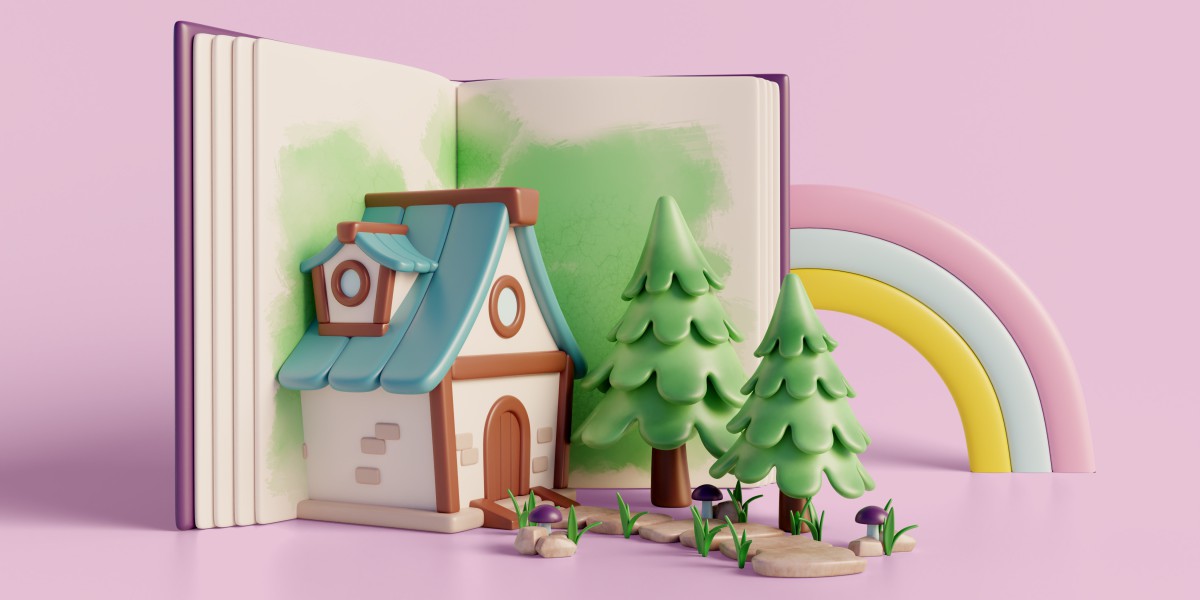

Illustrations play a major role in how children experience a story. The right artwork can make characters more relatable, bring imaginary worlds to life, and help young readers connect with the message. However, selecting the right illustration style can be challenging, particularly for first-time authors who are unfamiliar with the different artistic approaches available.
With so many styles, colors, and techniques to explore, it is easy to feel unsure about where to begin. The key is to choose artwork that complements your story, appeals to your intended readers, and fits your publishing budget.
In this guide, we will explore popular children’s book illustration styles, explain the differences between common art mediums, and share practical steps to help you make an informed decision.
Why Illustration Style Matters in Children's Books
Illustrations are an essential part of children's storytelling. They help establish the setting, express emotions, introduce characters, and communicate details that may not appear in the written text.
For younger readers, pictures can be especially important because they help children understand the story before they can read every word independently. A character's facial expression, the colors in a scene, or a small detail in the background can communicate meaning at a glance.
The illustration style also influences the overall mood of the book. Bright colors and exaggerated expressions can make a story feel playful, while soft colors and delicate textures can create a peaceful atmosphere. When the artwork reflects the tone of the manuscript, the reading experience feels more natural and engaging.
Your choice of illustrations also affects production costs and deadlines. Highly detailed artwork may require more time and revisions than simple digital illustrations. Making these decisions early helps you plan your budget and communicate your expectations to the artist.
Understand Your Target Audience Before Choosing a Style
Before exploring illustration portfolios, think about the children you want to reach. Their ages, interests, and reading abilities can influence the type of artwork that works best.
Here are a few general considerations:
Toddlers aged 2–3: Simple shapes, recognizable objects, bright colors, and expressive characters can help hold their attention.
Children aged 4–6: More detailed scenes, playful backgrounds, and visual surprises can encourage curiosity and repeated reading.
Children aged 7–8: Complex settings, subtle expressions, and small details can add depth to the reading experience.
These are general guidelines rather than strict rules. The story's subject, complexity, and format should also influence your decision.
It is worth considering the adults who will purchase or read the book aloud, too. Parents, teachers, and caregivers often look for artwork that communicates the book's tone and suitability for a particular age group.
Think about what you want readers to experience. Should they laugh at a character's expressions, feel comforted by a bedtime story, or explore a magical world? Answering this question can help you identify an illustration style that supports your creative vision.
Four Illustration Styles to Consider for Your Children's Book
Children's book artwork comes in many forms. Rather than choosing a style simply because it looks attractive, consider the mood and storytelling opportunities each approach offers.
1. Cartoon and Bold Illustration Styles
Cartoon illustrations often feature strong outlines, bright colors, exaggerated expressions, and distinctive character designs. These elements make characters easy to recognize and help communicate emotions clearly.
This style is particularly suitable for humorous stories, nursery rhymes, toddler books, and playful adventures. It can also make unusual characters and imaginary situations feel approachable to young readers.
Bold illustrations are not limited to simple stories. Skilled artists can use expressive poses, varied compositions, and carefully designed backgrounds to support more complex narratives.
If your manuscript relies on humor, lively dialogue, or energetic characters, cartoon-style artwork may be a strong choice.
2. Classic and Hand-Drawn Illustrations
Classic illustration styles often feature pencil sketches, ink drawings, delicate lines, and traditional textures. They can give a book a timeless appearance and create a personal, handcrafted feel.
These styles work well for traditional fairy tales, family stories, historical settings, and gentle narratives. Depending on the design, they can feel nostalgic, charming, or understated.
Line drawings are also useful for coloring books and activity-based publications. Simple black-and-white artwork may reduce some printing expenses, although the final cost depends on the overall design and production requirements.
If you want your book to have a traditional appearance rather than a polished digital look, consider exploring artists who specialize in hand-drawn illustrations.
3. Whimsical and Watercolor-Inspired Illustrations
Whimsical illustrations encourage imagination through unusual shapes, dreamlike settings, flowing colors, and unexpected details. Watercolor techniques can complement this approach by creating soft edges, translucent layers, and gentle transitions between colors.
These styles are often suitable for fantasy stories, bedtime books, imaginary adventures, and narratives about dreams or wonder.
They can also communicate emotions without relying heavily on facial expressions or written explanations. A softly painted landscape, for example, may help create a feeling of calm or mystery.
However, make sure the important characters and actions remain recognizable. Very abstract artwork can make it difficult for younger children to follow the plot if the visual details become too ambiguous.
4. Realistic and Muted Illustration Styles
Realistic illustrations use recognizable proportions, natural settings, and carefully observed details. Muted illustration styles rely on restrained colors and softer contrasts to create a quieter atmosphere.
These approaches can suit stories about nature, history, family relationships, personal growth, and emotional challenges. They can help readers connect with familiar experiences and understand the world depicted in the story.
Realistic artwork does not have to look serious or subdued. An illustrator can use warm colors, expressive characters, and gentle textures to make realistic scenes feel welcoming.
Choose this approach when you want the illustrations to feel grounded, thoughtful, or closely connected to everyday life.
Common Illustration Mediums Explained
An illustration style describes how the finished artwork looks, while a medium refers to the materials or techniques used to create it. Understanding the difference can help you discuss your project with an illustrator.
Here are some common mediums used in children's book illustration.
Watercolor: Creates soft washes, blended colors, and delicate textures. It is often used for nature stories, gentle adventures, and bedtime books.
Acrylic paint: Produces rich colors and can create smooth or textured surfaces. It works well for bold scenes and expressive artwork.
Pencil and charcoal: Create lines, shading, and depth. These materials suit sketch-based illustrations and stories that benefit from a traditional appearance.
Collage: Combines materials such as paper, fabric, and painted textures to create layered images with a distinctive handmade quality.
Digital painting: Uses digital tools to produce artwork that can imitate traditional painting or develop a completely modern appearance. It also makes many revisions easier.
Vector illustration: Uses digitally created shapes and lines to produce clean, scalable artwork. It is particularly useful for bold characters, simple compositions, and graphic designs.
Some illustrators combine several techniques. For example, an artist might create watercolor paintings and then make color adjustments digitally. Another might combine hand-drawn characters with digitally designed backgrounds.
The best medium depends on your artistic preferences, production requirements, and budget. Discuss these factors with your illustrator before work begins so you can agree on a practical approach.
Five Steps to Choose an Illustration Style for a Children's Book
Once you understand your audience and the available options, you can narrow your choices with a straightforward process.
Step 1: Identify the Mood of Your Story
Start by choosing three words that describe the atmosphere of your manuscript. These might include playful, comforting, adventurous, mysterious, or imaginative.
Use these words as a guide when reviewing artwork. A funny story may benefit from exaggerated expressions and lively colors, while a quiet bedtime narrative may work better with softer tones and gentle textures.
Your illustration style should reinforce the feeling you want readers to experience.
Step 2: Gather Examples of Artwork You Like
Choose around ten published children's books with illustrations that appeal to you. Examine what makes each example effective rather than focusing only on its overall appearance.
Look at the color palette, character expressions, line work, background details, and use of space. Consider how the illustrations guide your attention and support the story.
You can also organize your references into categories, such as colorful cartoons, traditional drawings, and watercolor scenes. This makes it easier to identify patterns in your preferences.
Use these examples to communicate your ideas to an illustrator rather than trying to reproduce another artist's work.
Step 3: Match the Artwork to Your Readers
Review your target age group and think about how children will interact with the illustrations.
Younger readers often benefit from clear characters and easily recognizable actions. Older children may enjoy more detailed environments, visual clues, and subtle expressions.
Consider the purpose of the book as well. Educational stories may need accurate, easy-to-understand images, while imaginative picture books may allow greater artistic freedom.
The goal is to choose artwork that helps children follow the story while keeping them interested in the pages.
Step 4: Request Sample Illustrations
Once you have shortlisted a few artists, ask whether they can create a paid sample or character sketch.
A sample allows you to see how an illustrator interprets your descriptions and visual references. If possible, request a scene that includes a character, a background, and an important moment from the story.
Compare the samples carefully. Check whether the characters feel appropriate, the colors suit the mood, and the illustrations communicate the intended emotions.
Agree on the sample's scope, cost, revision terms, and permitted use before commissioning it. This can help prevent misunderstandings when the full project begins.
Step 5: Gather Feedback Before Making Your Decision
Share your preferred samples with parents, teachers, librarians, or other people familiar with children's books. Ask whether the artwork feels appropriate for your audience and whether the story is easy to understand from the pictures.
You can also explore resources from the Children's Book Council to learn more about the children's publishing industry.
Feedback can help you identify strengths and weaknesses you might have overlooked. However, you do not need to follow every suggestion. Use the responses to assess whether the illustrations support your story and appeal to your intended readers.
If a sample captures the personality of your characters and communicates the right mood, you may have found a promising direction.
Common Mistakes to Avoid When Selecting Illustrations
Choosing artwork involves more than finding an attractive portfolio. Avoiding a few common mistakes can help you create a more consistent and professional book.
Choosing artwork based only on personal preference
You should enjoy the illustrations, but they must also suit the manuscript and its readers. Consider how the artwork will appeal to children in your target age group.
Mixing unrelated illustration styles
Different scenes can have different compositions and colors, but the overall visual identity should remain consistent. Characters should look recognizable throughout the book.
Ignoring the relationship between text and images
Illustrations should complement the written story rather than contradict it. Discuss important scenes and page turns with your artist so the images support the narrative.
Limiting the illustrator's creativity
Provide clear descriptions, references, and expectations, but leave room for the illustrator to contribute ideas. Their experience may reveal visual storytelling opportunities you have not considered.
Hiring an illustrator based on price alone
Compare portfolios, experience, communication, revision policies, and familiarity with children's book production. A lower initial fee may not be the most economical choice if the artwork requires extensive corrections.
Overlooking printing and layout requirements
Illustrations must fit the book's dimensions and layout. Discuss image resolution, color settings, bleed, and page placement before the artwork is finalized. Planning ahead can reduce production problems and avoid unnecessary revisions.
If you need help researching professionals, Reedsy is one place to explore publishing services and review illustrators' portfolios and experience.
Prepare Your Children's Book for Publication
Selecting an illustration style is an important step, but a successful children's book also needs thoughtful editing, a well-planned layout, and suitable production arrangements.
The text and artwork should work together throughout the book. For example, the placement of illustrations can influence how readers move through a scene, while page turns can build anticipation or emphasize an important moment.
You should also consider printing specifications, distribution options, and how readers will discover your book after publication.
At Next Chapter Publishings, authors can explore support for different stages of the publishing process. The book publishing team can provide information about production and distribution, while editing services can help improve clarity and readability.
An author website can also provide a central place where parents, teachers, and other readers can learn about your books.
Planning these elements alongside your illustration choices can help make the publishing process more organized.
Final Thoughts
Choosing an illustration style for a children's book becomes much easier when you begin with your story and your intended audience. Consider whether cartoon, classic, whimsical, or realistic artwork best communicates the mood of your manuscript. Then explore different mediums and identify an approach that fits your budget and production plans.
Reviewing portfolios, requesting sample illustrations, and gathering feedback can help you make a more confident decision. Remember that the most attractive artwork is not always the best fit for every story.
The right illustrations should strengthen your words, bring your characters to life, and encourage children to keep turning the pages. Take the time to explore your options, communicate clearly with your illustrator, and choose a style that feels natural for your book.
If you are preparing a picture book for publication, you can contact the team to discuss your project and explore the available next steps.






