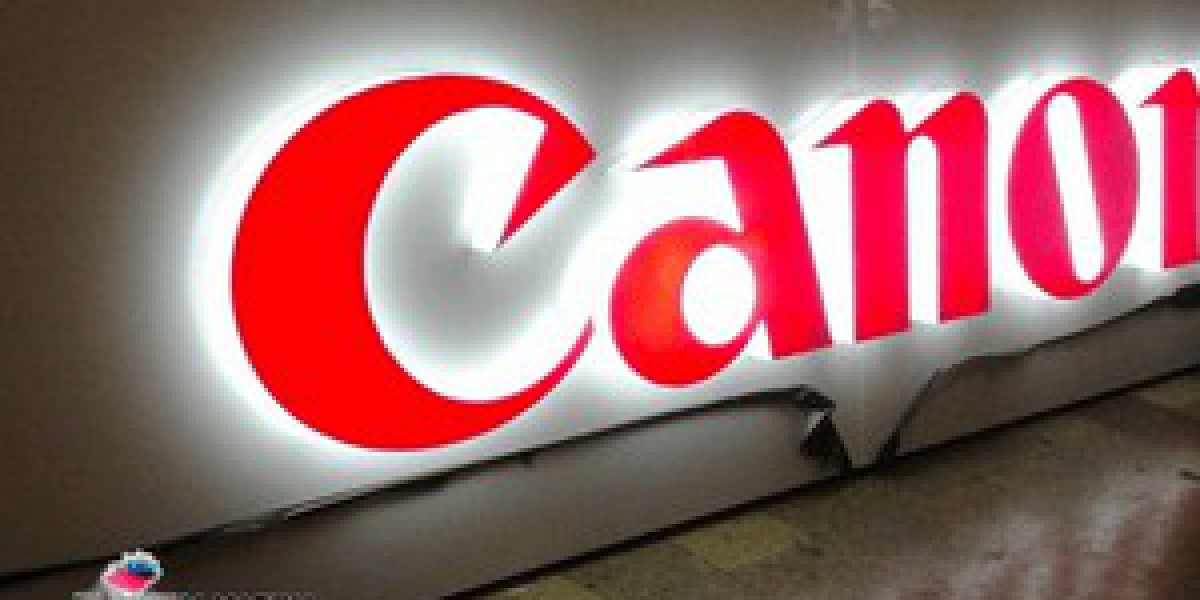

A well-designed sign can help people recognise a business, find an entrance, or understand what a company offers before they walk inside. An acrylic signage maker helps turn a simple design into a finished sign that suits the business, its location, and its daily needs. Acrylic is widely used for business signs because it has a smooth surface, a clean appearance, and the flexibility to support different shapes, colours, and finishes. Whether a company needs a reception sign, a shop display, or a wall-mounted signage board, choosing the right material and design can make a noticeable difference to the final result.
Why an Acrylic Signage Maker Is Important for Business Signage
Creating a useful sign involves more than printing a name on a sheet of material. An acrylic signage maker considers the purpose of the sign, the available space, the viewing distance, and the type of finish required. These details help ensure that the finished sign looks appropriate and communicates its message clearly.
For example, a small office may need a neat logo behind its reception desk, while a retail shop may require a larger sign that customers can recognise from the entrance. Both signs may use acrylic, but their sizes, layouts, colours, and mounting methods will be different.
Working with an experienced maker can also help prevent common design problems. Letters that are too small, colours that blend into the background, or a sign that does not fit the intended wall can reduce its effectiveness. Planning these details before production saves time and helps produce a sign that serves its purpose.
What Makes Acrylic a Popular Signage Material?
Acrylic is a rigid plastic material that can provide a clean, glass-like appearance without the same weight as ordinary glass. It is available in different thicknesses, colours, and finishes, which makes it suitable for many indoor signage applications.
One of its main benefits is its smooth surface. Text, logos, symbols, and other graphic elements can be applied or produced in ways that create a professional appearance. Clear acrylic can offer a subtle look, while coloured or opaque sheets can make a sign more noticeable.
Acrylic is also relatively easy to shape compared with some traditional sign materials. Depending on the design and production method, it can be cut into letters, circles, rectangles, logos, and custom outlines.
However, acrylic is not the right choice for every situation. It can scratch, and some types may become damaged by unsuitable cleaning products or excessive impact. Outdoor signs also need the correct material grade, mounting system, and protection against local weather conditions. The intended use should always guide the material choice.
Different Types of Acrylic Signage for Businesses
Acrylic can be used in several ways, depending on the message a business wants to display and the space available.
1. Acrylic Reception Signs
Reception signs are commonly placed behind a desk or on a wall near the main entrance. They display a company name, logo, or other identifying details and help visitors recognise that they have reached the correct location.
For example, a consultancy office may install raised acrylic letters featuring its logo on a plain wall. The contrast between the letters and the background makes the company name easier to notice without filling the space with unnecessary decoration.
Acrylic reception signs can be made with clear, coloured, or solid backgrounds. The best choice depends on the interior design, wall colour, lighting, and size of the logo.
2. Acrylic Shop Signs
Retail businesses need signs that help customers identify their premises. An acrylic shop sign can display a store name, logo, product category, or other important information.
A small beauty shop, for instance, might use a coloured acrylic sign above its entrance. A simple font and a strong contrast between the letters and the background can make the name easier to read.
When planning a shop sign, the viewing distance matters. A design that looks attractive when viewed up close may become difficult to read from across a road or shopping area. Letter size and spacing should match the location.
3. Three-Dimensional Acrylic Letters
Three-dimensional acrylic letters stand away from the surface instead of appearing completely flat. This creates depth and can make a business name or logo more noticeable.
These letters may be mounted individually on a wall or arranged as part of a larger signage board. Their thickness, colour, spacing, and placement affect the overall appearance.
For example, a clinic may use raised letters for its name in the reception area. The design can look clean and organised when the letters are aligned properly and sized to suit the wall.
The fixing method is also important. The letters must be secured correctly, particularly when they are installed above eye level or in an area where people regularly pass.
4. Illuminated Acrylic Signs
Some acrylic signs include lighting to improve visibility in dim environments or create a distinctive appearance. Depending on the design, lighting may be placed behind the sign, around the letters, or within a specially constructed sign unit.
An illuminated sign may suit a shop that operates during the evening or a business located in a corridor with limited natural light. However, lighting should support readability rather than distract from the message.
The electrical components, heat management, installation method, and access for maintenance should be considered during planning. Outdoor illuminated signs also need suitable protection against moisture and dust.
5. Acrylic Directional Signs
Directional signs help visitors move through a building without repeatedly asking staff for assistance. They can show room numbers, department names, arrows, floor information, or other navigation details.
For example, a medical centre may use acrylic signs to identify reception, consultation rooms, and waiting areas. Clear wording and consistent placement can make the building easier to navigate.
These signs work best when the information is brief and the lettering is easy to read. Decorative elements should not compete with the directions themselves.
How to Choose the Right Design for an Acrylic Signage Board
A signage board should communicate its message quickly. A complicated design can make even a high-quality sign difficult to understand, so the layout deserves careful attention.
Start with the main message. Decide what people need to know when they see the sign. For a business entrance, this may be the company name and logo. For a directional sign, it may be a room name and an arrow.
Choose readable lettering. Decorative fonts may suit some brands, but they can be difficult to read at a distance. Simple lettering is often more effective for signs that provide directions or display important information.
Use suitable colour contrast. Dark text on a light background, or light text on a dark background, can improve readability. The colours should also fit the business identity without making the message difficult to see.
Measure the installation area. A sign that is too large may overwhelm a small wall, while one that is too small may go unnoticed in a wide reception area. Accurate measurements help determine the correct proportions.
Consider the viewing angle. A sign mounted above a doorway may need a different layout from one placed at eye level. The design should account for where people will stand and how they will approach it.
For example, a property office might have a wide reception wall but a relatively small logo. Rather than filling the wall with oversized lettering, the designer could use a balanced layout with the logo in the centre and enough empty space around it. This can make the sign easier to notice and maintain a tidy appearance.
What to Check Before Production Begins
Before approving an acrylic sign, review the artwork and technical details carefully. Small errors can become more difficult and expensive to correct once the material has been cut or printed.
Check that the company name is spelt correctly and that the logo uses the approved colours. Confirm the final dimensions, acrylic thickness, letter spacing, background colour, and mounting position.
It is also useful to ask how the sign will be fixed to the wall. Some designs use screws or stand-off fittings, while others require a suitable adhesive or a supporting frame. The right method depends on the sign's weight, the wall surface, and the installation environment.
If the sign includes several separate letters, ask for a layout showing their exact positions. This helps prevent uneven spacing during installation. For larger projects, a design proof or placement guide can make the final result more predictable.
A business should also confirm the expected production time before setting an installation date. Custom shapes, layered letters, lighting, and complicated artwork may require more preparation than a simple flat sign.
Indoor and Outdoor Acrylic Signage: What Is the Difference?
Indoor and outdoor signs face different conditions, so they should not automatically use the same specifications.
Indoor acrylic signs are often used in offices, shops, reception areas, showrooms, and corridors. Their main requirements usually include a suitable appearance, clear lettering, safe mounting, and compatibility with the surrounding interior.
Outdoor acrylic signage must account for sunlight, rain, dust, temperature changes, and wind exposure. Material quality, printing methods, protective finishes, and mounting hardware can affect how well the sign performs over time.
For instance, a sign displayed inside an air-conditioned office may remain in good condition with relatively little exposure to harsh conditions. A similar sign installed on an exposed exterior wall may need more careful material selection and stronger fixing points.
Acrylic can be suitable for outdoor use when the correct grade and installation method are selected, but it should not be assumed that every acrylic sheet will perform equally well outside. The intended location should be explained before production starts.
How to Maintain Acrylic Signs
Regular maintenance helps preserve the appearance of acrylic signage. Dust and fingerprints can collect on the surface, especially on reception signs and signs placed near busy entrances.
Use a soft, clean cloth and a cleaner that is safe for acrylic. Avoid rough sponges, abrasive powders, and harsh solvents because they can scratch, cloud, or damage the surface. Follow the material supplier's cleaning instructions if a specific product is recommended.
When cleaning raised letters, remove dust from the edges and spaces around the fittings without pulling or pushing against the letters. Check that the mounting points remain secure, particularly on signs that are exposed to frequent contact or outdoor conditions.
For illuminated signs, electrical checks and repairs should be handled by a qualified person. Switching off the power before appropriate maintenance and keeping moisture away from electrical components are important safety measures.
A simple cleaning routine can help a sign remain clear and presentable. It also gives staff an opportunity to notice loose fittings, damaged edges, fading, or lighting problems before they become more serious.
Common Mistakes to Avoid When Ordering Acrylic Signage
One common mistake is choosing a design based only on appearance. A sign may look impressive on a computer screen but become hard to read when installed in a real space. Reviewing the design at its intended size and viewing distance can help avoid this problem.
Another mistake is including too much information. A business sign usually needs to communicate one main message. Adding long descriptions, several slogans, and too many graphic elements can make the layout confusing.
Poor colour contrast is another issue. Similar colours may blend together, particularly under bright lighting or when viewed from a distance. A clear background and readable lettering should take priority over decorative effects.
Businesses should also avoid overlooking installation requirements. The wall material, sign weight, location, and exposure to weather can all affect the fixing method. Planning these details early reduces the risk of installation problems.
Finally, the cheapest option may not always provide the best value. It is more useful to compare the material, thickness, finish, mounting method, and expected durability than to judge a sign by price alone.
Final Thoughts
Acrylic signage offers businesses a flexible way to display names, logos, directions, and important information. Its smooth finish, range of colours, and ability to support flat or raised designs make it suitable for many different settings. However, a successful sign depends on more than the material itself.
An experienced acrylic signage maker considers the sign's purpose, size, design, location, and installation requirements before production begins. Choosing readable lettering, suitable materials, and the correct fixing method can improve both appearance and practical use. Whether a business needs a reception display, shop sign, directional panel, or illuminated signage board, careful planning helps create a sign that communicates clearly and remains useful over time.