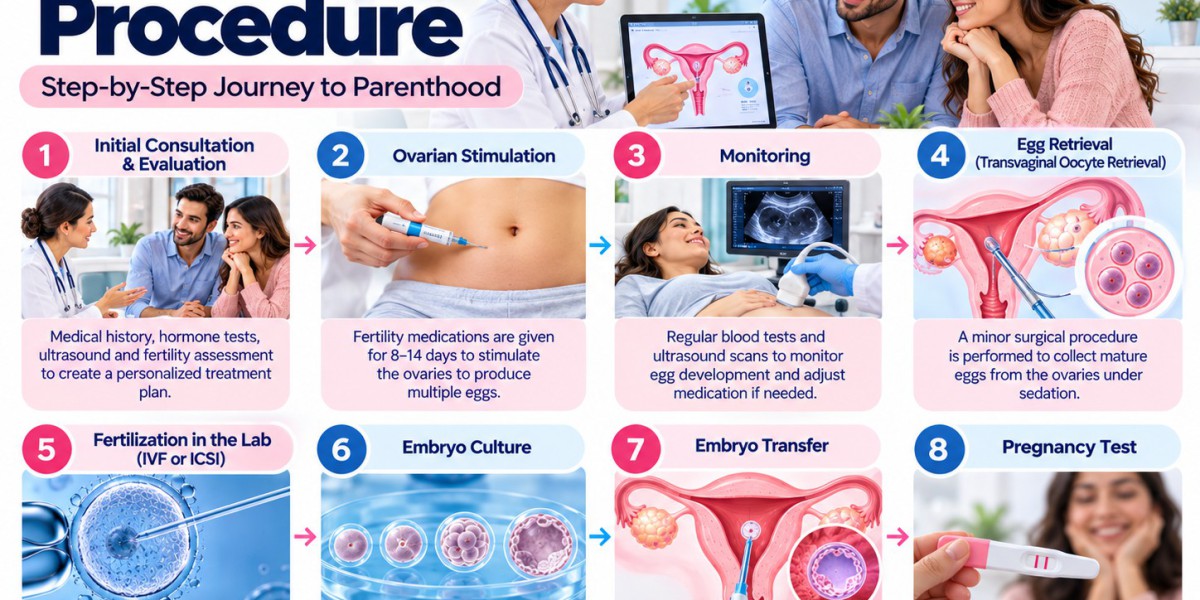

IVF treatment (in vitro fertilization) is an assisted reproductive technique that helps individuals and couples achieve pregnancy when conception is difficult. It involves stimulating the ovaries to produce eggs, collecting those eggs, fertilizing them with sperm in a laboratory, and transferring a developing embryo into the uterus. The treatment plan varies according to age, fertility diagnosis, medical history, and reproductive goals.
For people exploring fertility options, understanding the IVF treatment process, its potential benefits, possible risks, and factors that affect success can help them prepare for the journey ahead.
What Is IVF Treatment?
In vitro fertilization, commonly known as IVF, is a fertility treatment in which an egg and sperm are brought together in a laboratory rather than relying on fertilization inside the body.
After fertilization, the resulting embryo is monitored as it develops. A suitable embryo may then be transferred into the uterus, while other suitable embryos may be frozen for future use.
IVF can be recommended for different causes of infertility, including blocked fallopian tubes, male factor infertility, certain ovulation disorders, endometriosis, and unexplained infertility. It may also be used in selected fertility preservation plans or alongside genetic testing when medically indicated and permitted by local regulations.
IVF does not guarantee pregnancy. However, it provides an established treatment option for many people who need assistance with conception.
Who Can Benefit from IVF Treatment?
A fertility specialist evaluates the medical history and test results of the individual or couple before recommending IVF. The treatment may be appropriate in several circumstances.
1. Blocked or Damaged Fallopian Tubes
The fallopian tubes normally allow sperm and egg to meet during natural conception. If the tubes are blocked or significantly damaged, fertilization may be difficult or impossible through the usual route.
IVF bypasses the fallopian tubes because fertilization occurs in a laboratory before the embryo is transferred into the uterus.
2. Male Factor Infertility
Male factor infertility may involve low sperm concentration, reduced sperm movement, or other abnormalities that affect fertilization.
Depending on the findings, IVF may be combined with intracytoplasmic sperm injection (ICSI), a procedure in which a single sperm is injected directly into an egg.
3. Ovulation Disorders
Some people experience irregular or absent ovulation because of conditions such as polycystic ovary syndrome (PCOS) or other hormonal disorders.
Medication to support ovulation may be appropriate in some cases. IVF may be considered when simpler treatments are unsuitable, unsuccessful, or not the best option for the individual.
4. Endometriosis
Endometriosis can affect fertility through inflammation, adhesions, or changes involving the ovaries and fallopian tubes. IVF may be recommended depending on the severity of the condition, age, ovarian reserve, and previous treatment history.
5. Unexplained Infertility
Sometimes, standard investigations do not identify a clear cause of infertility. Depending on the duration of trying to conceive, age, and previous treatment, a fertility specialist may discuss IVF alongside other options.
6. Age-Related Fertility Challenges
Female fertility generally declines with age as egg quantity and quality change. IVF may help some people conceive, but the chance of success also changes with age, particularly when using their own eggs.
Early assessment can help people understand their options and avoid unnecessary delays in treatment.
7. Fertility Preservation
IVF may form part of a fertility preservation plan for people who wish to preserve eggs or embryos before certain medical treatments or other circumstances that may affect future fertility.
The suitability of fertility preservation depends on individual circumstances and requires specialist guidance.
IVF Treatment Process Step by Step
IVF treatment involves several stages, and the precise schedule depends on the clinical protocol and response to medication.

Step 1: Fertility Assessment
The fertility specialist reviews medical history, menstrual cycles, previous pregnancies, and earlier fertility treatments. Investigations may include hormone tests, ultrasound scans, semen analysis, and other tests where appropriate.

Step 2: Ovarian Stimulation
Fertility medications encourage the ovaries to develop multiple follicles. Ultrasound scans and sometimes blood tests help the clinical team monitor growth and determine when the eggs are ready for collection.
Step 3: Egg Retrieval
Eggs are collected using a fine needle guided by ultrasound, usually under sedation or anaesthesia. Patients are monitored afterward and generally return home the same day.

Step 4: Fertilization
Eggs are fertilized with sperm using conventional IVF or ICSI, depending on the clinical circumstances. The embryology team checks whether fertilization has occurred.

Step 5: Embryo Development
The embryos are monitored as they develop, commonly over three to five days. The team assesses their development and suitability for transfer or freezing.
Step 6: Embryo Transfer
A selected embryo is placed into the uterus using a thin catheter. Transfer may occur in the same cycle or during a later frozen embryo transfer cycle, depending on the treatment plan.

Step 7: Pregnancy Testing
The clinic schedules a blood test to measure human chorionic gonadotropin (hCG). If the result is positive, further monitoring and an ultrasound at the appropriate time help assess the pregnancy.
How Long Does IVF Treatment Take?
One IVF cycle often takes several weeks from the beginning of ovarian stimulation to the pregnancy test. Preparation and frozen embryo transfer may extend the overall timeline.
Treatment stage | Approximate timeframe |
|---|---|
Fertility assessment and preparation | Several days to weeks |
Ovarian stimulation | Usually 8–14 days |
Egg retrieval | After follicles are ready |
Embryo development | Commonly 3–5 days after fertilization |
Fresh embryo transfer | During the same cycle, when appropriate |
Pregnancy blood test | Often 9–14 days after transfer, depending on the protocol |
These timeframes are approximate. Your clinic will provide a schedule based on your response to medication and the planned treatment approach.
What Is the IVF Treatment Success Rate?
IVF success rates vary considerably. Age, embryo development, egg and sperm factors, the cause of infertility, and previous treatment outcomes can all influence the likelihood of pregnancy.
When reviewing success statistics, it is important to understand what is being measured. Pregnancy per embryo transfer, live birth per egg retrieval, and cumulative live birth across multiple transfers are different outcomes.
Your fertility specialist can explain the statistics most relevant to your circumstances and discuss realistic expectations. No clinic or treatment protocol can guarantee a successful pregnancy.
IVF Treatment Cost in the UAE
The cost of IVF treatment in the UAE depends on the clinic, medication requirements, laboratory procedures, and additional services included in the plan.
Expenses may include the initial consultation, fertility investigations, ovarian stimulation medications, egg retrieval, fertilization, embryo culture, embryo transfer, and follow-up testing. Additional costs may apply for ICSI, embryo freezing and storage, frozen embryo transfer, or other clinically indicated procedures.
Before starting treatment, request a detailed written estimate. Ask whether medications, follow-up appointments, embryo freezing, storage, and pregnancy testing are included so you can understand the likely overall expense.
IVF Treatment vs ICSI
IVF and ICSI are related procedures, but they differ in how fertilization takes place.
Feature | Conventional IVF | ICSI |
|---|---|---|
Fertilization method | Eggs and sperm are placed together in the laboratory | One sperm is injected directly into an egg |
Common indication | Suitable when clinical findings support conventional fertilization | Often considered for significant male factor infertility or previous fertilization problems |
Egg retrieval | Required | Required |
Embryo transfer | May follow successful embryo development | May follow successful embryo development |
Guaranteed pregnancy | No | No |
ICSI is not automatically more effective for every patient. The fertility specialist and embryology team determine which method is appropriate based on sperm findings, previous treatment, and other clinical factors.
What Are the Benefits of IVF Treatment?
IVF offers several potential advantages for people experiencing fertility difficulties.
Addresses different causes of infertility: IVF can help in situations involving tubal damage, selected cases of male factor infertility, and other reproductive conditions.
Allows laboratory monitoring: The embryology team can observe fertilization and embryo development before transfer.
May allow embryo freezing: Suitable embryos can sometimes be frozen for future treatment, reducing the need to repeat ovarian stimulation and egg retrieval for every transfer.
Can be combined with selected additional procedures: ICSI or preimplantation genetic testing may be considered when medically indicated and permitted by applicable regulations.
The suitability and expected benefits of each option depend on individual medical circumstances.
What Are the Risks and Side Effects of IVF?
IVF is an established treatment, but it involves medication and procedures that carry potential risks.
Medication side effects: Bloating, headaches, breast tenderness, and injection-site discomfort may occur.
Ovarian hyperstimulation syndrome (OHSS): An excessive response to stimulation medication can cause ovarian swelling, abdominal discomfort, and fluid shifts. Severe cases require urgent medical attention.
Egg retrieval complications: Bleeding, infection, or injury to nearby structures can occur, although these complications are uncommon.
Multiple pregnancy: Transferring more than one embryo increases the chance of twins or higher-order pregnancies and associated complications.
Ectopic pregnancy: A pregnancy may occasionally develop outside the uterus, including after IVF.
Emotional stress: Treatment can involve uncertainty, frequent appointments, and difficult decisions.
Contact your clinic promptly if you experience severe abdominal pain, rapidly increasing swelling, persistent vomiting, reduced urination, shortness of breath, or heavy bleeding.
How to Prepare for IVF Treatment
Preparing for IVF involves understanding your treatment plan and following medical instructions carefully.
Complete recommended investigations. These help the specialist assess fertility factors and select a suitable protocol.
Review your medications. Inform your doctor about prescription medicines, supplements, allergies, and existing medical conditions. Do not change medications without medical guidance.
Support your general health. A balanced diet, adequate sleep, and avoiding smoking can support general well-being. Ask your doctor about alcohol, caffeine, supplements, and any health conditions relevant to pregnancy.
Understand the treatment schedule. Know when to administer medication, attend monitoring appointments, and contact the clinic if a dose is missed.
Plan emotional support. Talking with a partner, trusted person, or qualified counsellor may help manage the uncertainty associated with fertility treatment.
What Happens After IVF Embryo Transfer?
After embryo transfer, the embryo may attach to the uterine lining and begin developing. However, physical symptoms cannot reliably indicate whether implantation has occurred.
Some people experience mild cramps, bloating, breast tenderness, or fatigue. These symptoms may also be caused by progesterone or other fertility medications. Others have no symptoms at all.
Follow your clinic's instructions about medications, normal activities, and pregnancy testing. Prolonged bed rest is generally not necessary to improve IVF success, but any specific medical instructions from your fertility team should take priority.
The clinic will schedule an hCG blood test at the appropriate time. Avoid relying on early home pregnancy tests to predict the outcome.
How ART Fertility Can Help
ART Fertility provides fertility assessment and assisted reproductive care for individuals and couples considering IVF and related treatment options.
A consultation may include reviewing your reproductive history, discussing previous test results, and recommending appropriate investigations. Depending on your circumstances, your specialist may discuss conventional IVF, ICSI, embryo freezing, or frozen embryo transfer.
If you are considering IVF treatment in the UAE, ART Fertility can help you understand the expected process, potential risks, treatment timeline, and cost considerations before making an informed decision.
Frequently Asked Questions About IVF Treatment
1. What is the first step in IVF treatment?
The first step is usually a fertility consultation and assessment. This may include a medical history review, hormone testing, ultrasound scans, and semen analysis where appropriate.
2. How many days does IVF treatment take?
Ovarian stimulation usually takes around 8–14 days, followed by egg retrieval and embryo development. A fresh transfer may take place in the same cycle, while frozen embryo transfer may happen later.
3. Is IVF treatment painful?
Injections may cause temporary discomfort, and ovarian stimulation can cause bloating or pressure. Egg retrieval is usually performed with sedation or anaesthesia, while embryo transfer is generally brief and does not usually require general anaesthesia.
4. Can IVF work with low ovarian reserve?
IVF may be an option for some people with low ovarian reserve, although fewer eggs may be collected. The likely response and available treatment options should be discussed with a fertility specialist.
5. Does IVF guarantee pregnancy?
No. IVF can help many people conceive, but fertilization, embryo development, implantation, and live birth cannot be guaranteed.
6. When can I take a pregnancy test after IVF?
Your clinic will provide a specific testing date, often around 9–14 days after embryo transfer, depending on the protocol. Testing too early may produce a misleading result.
7. Is bed rest required after IVF treatment?
Prolonged bed rest after embryo transfer is generally not required to improve success. Follow your clinic's advice about activity and any individual restrictions.
8. What is the difference between IVF and IUI?
IVF involves collecting eggs and fertilizing them in a laboratory before transferring an embryo into the uterus. IUI involves placing prepared sperm directly into the uterus around ovulation, with fertilization occurring inside the body.
Conclusion
IVF treatment is an established option for people experiencing fertility challenges. The process involves fertility assessment, ovarian stimulation, egg retrieval, laboratory fertilization, embryo development, embryo transfer, and pregnancy testing.
The most appropriate treatment depends on individual medical factors, and success cannot be guaranteed. Understanding the process, benefits, risks, and costs can help you prepare for treatment and make informed decisions with your fertility specialist.






