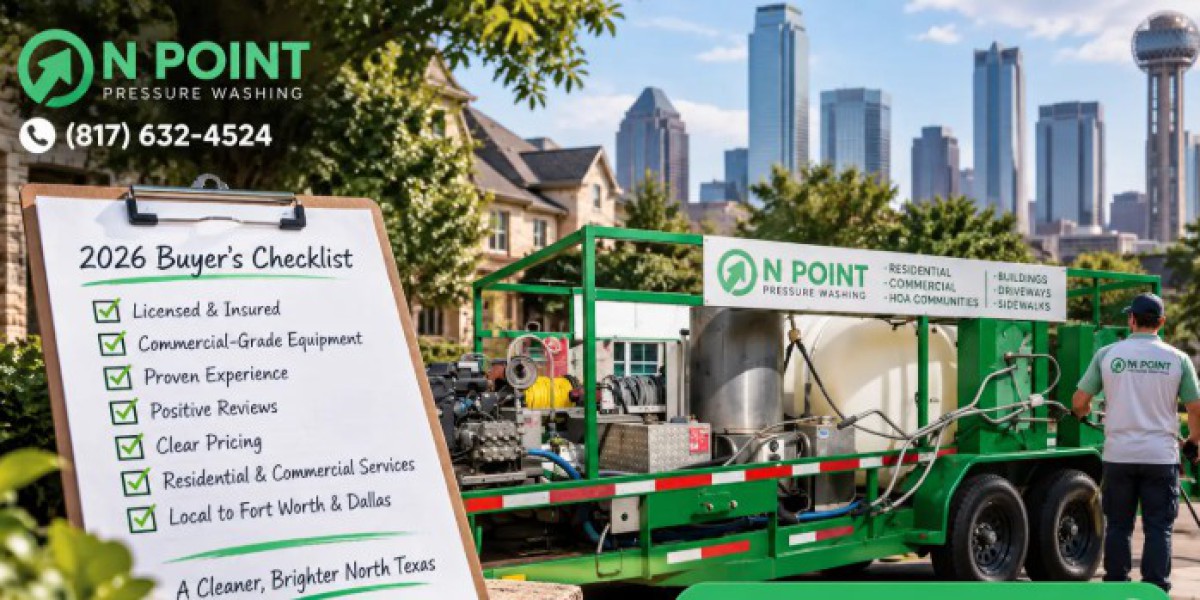

Keeping a property clean takes more than maintaining the interior. Driveways collect tire marks, sidewalks develop dark stains, exterior walls gather dust, and patios accumulate dirt from daily use and changing weather. Over time, these areas can make a home or business look less maintained, even when the owner takes good care of the property. Regular exterior cleaning helps address this buildup and keeps outdoor spaces looking more presentable.
Professional pressure washing in Fort Worth can help remove dirt, grime, and other surface contaminants from suitable exterior materials. The key is choosing a cleaning method that matches the surface rather than relying on high pressure for every job. Concrete, brick, siding, patios, and other outdoor features have different cleaning requirements, and using the wrong technique can cause unnecessary damage.
O.N. Point Pressure Washing provides residential and commercial exterior cleaning services in Fort Worth and surrounding Dallas-Fort Worth communities. Whether you want to refresh your driveway, clean the exterior of your home, or maintain a business property, understanding how pressure washing works can help you make informed decisions about your property's maintenance.
Why Exterior Cleaning Matters in Fort Worth
Outdoor surfaces are exposed to dust, wind, rain, vehicle traffic, pollen, and organic debris throughout the year. Fort Worth's weather conditions can contribute to visible grime and buildup, particularly on driveways, walkways, shaded patios, and exterior walls. Areas near trees or locations where water collects may require more frequent attention than surfaces that receive plenty of sunlight and drain well.
As dirt accumulates, it can make concrete appear darker and exterior finishes look dull. Organic growth may also develop in damp or shaded areas. Cleaning suitable surfaces can help restore a more consistent appearance and make outdoor spaces feel better maintained.
Regular exterior washing can also help property owners identify maintenance concerns. Removing loose grime may reveal cracks in concrete, deteriorating mortar, peeling paint, or damaged sealants that need separate repairs. Pressure washing does not fix these problems, but it can make them easier to notice during routine property inspections.
It is important to set realistic expectations. Some stains, including old oil spots, rust, and deeply embedded discoloration, may not disappear completely with standard washing. The results depend on the material, the age of the stain, and the condition of the surface.
Residential Pressure Washing for Cleaner Homes
Your home's exterior includes several areas that collect dirt at different rates. Driveways, sidewalks, siding, patios, fences, and outdoor living spaces all need suitable cleaning methods. A thoughtful approach helps improve appearance while reducing the risk of damaging finishes or forcing water into vulnerable areas.
Driveway and Concrete Cleaning
Driveways are among the most noticeable exterior surfaces because they are visible from the street and used every day. Tire marks, mud, leaf stains, and vehicle residue can gradually make concrete look uneven or discolored. Walkways and front entry paths can develop similar buildup from foot traffic and weather exposure.
Professional concrete cleaning can help remove common surface grime from suitable driveways and sidewalks. The cleaning process should account for the concrete's age, finish, and condition. Older or damaged concrete may be more vulnerable to etching, while deeply absorbed oil or rust stains may require targeted treatment.
Before cleaning begins, point out cracks, previous repairs, loose material, or existing sealants. These details help determine which method is appropriate and whether some marks may remain visible after the work is completed.
House Washing and Exterior Siding
Exterior siding can collect dust, pollen, cobwebs, and environmental residue. Over time, this buildup may leave the home's exterior looking dull. Shaded walls and areas close to landscaping may also develop organic residue where moisture remains.
House washing needs to be tailored to the material. Vinyl siding, painted wood, stucco, and other finishes may require soft washing or controlled low-pressure cleaning rather than a direct high-pressure stream. Excessive pressure can damage paint, force water behind siding, or affect delicate exterior components.
O.N. Point Pressure Washing offers house washing services for Fort Worth-area properties. When requesting an estimate, identify the siding material if possible and mention any peeling paint, loose panels, damaged caulking, or other existing concerns.
Patios, Pool Decks, and Outdoor Spaces
Patios and pool decks are exposed to outdoor furniture, foot traffic, food spills, moisture, and fallen leaves. These surfaces can develop grime, algae, or dark patches, particularly in shaded areas or places where water does not drain properly.
Cleaning can help refresh suitable concrete and other outdoor surfaces, but the method should match the material. Decorative pavers may have jointing sand that can be disturbed by excessive pressure, while coated decks and natural stone may require gentler treatment.
Routine sweeping and clearing leaves from drainage areas can help manage buildup between professional visits. If a surface becomes slippery or shows persistent discoloration, a professional assessment can help determine whether cleaning or separate maintenance is needed.
Commercial Pressure Washing for Business Properties
A business exterior often creates the first impression for customers, employees, tenants, and visitors. Dirty entrances, stained sidewalks, and neglected parking areas may make a property appear less inviting. Regular exterior cleaning can help businesses maintain a cleaner and more professional appearance.
Commercial pressure washing may include cleaning suitable building exteriors, storefronts, concrete walkways, parking areas, and service zones. The scope of work depends on the building materials, traffic levels, and types of stains present.
Storefronts and Building Exteriors
Storefronts and exterior walls collect dust, cobwebs, rain residue, and grime from surrounding traffic. Cleaning appropriate surfaces can help refresh customer-facing areas and improve the overall appearance of a commercial property.
Different building materials need different techniques. Brick, metal panels, painted surfaces, and other exterior finishes should be assessed before washing. Existing cracks, loose mortar, signage, windows, and nearby landscaping may also affect how the work should be performed.
For larger buildings, scheduling cleaning in sections can help maintain access for customers and employees. Property managers should discuss operating hours and entrance access before the appointment to reduce disruption.
Parking Lots and Sidewalks
Parking areas and sidewalks experience constant use. Tire marks, mud, beverage spills, and general dirt can accumulate around entrances and busy vehicle areas. Regular cleaning can help remove many types of surface buildup from suitable paved materials.
Some stains, especially old oil and deeply embedded grease, may need specialized treatment. Pressure washing may reduce their appearance without removing every trace, so it is useful to discuss difficult stains when requesting an estimate.
Commercial property owners should also consider drainage and wastewater handling. Runoff containing oil, grease, or cleaning products needs to be managed appropriately rather than allowed to flow uncontrolled into storm drains. Planning these details helps support a responsible cleaning process.
Choosing the Right Pressure Washing Method
Effective exterior cleaning depends on more than equipment strength. Different materials respond differently to pressure, water temperature, and cleaning products, so the method should be selected according to the surface and the type of contamination.
Pressure washing uses pressurized water to remove dirt and grime from appropriate surfaces. Power washing is often used to describe a similar process that may involve heated water. Soft washing uses lower pressure alongside suitable cleaning solutions and may be more appropriate for certain siding and other delicate materials.
For example, durable concrete may tolerate controlled pressure, while painted wood, older masonry, and delicate finishes can require a gentler approach. Rust, grease, paint residue, and other stubborn stains may need targeted treatments that are compatible with the material.
Before work begins, the cleaning provider should consider existing damage, coatings, nearby plants, electrical features, windows, and drainage. A small test area may help establish how the surface responds. Using excessive pressure can cause etching, strip paint, or damage mortar without necessarily improving the result.
How Often Should You Schedule Pressure Washing?
There is no single schedule that suits every property. The ideal frequency depends on the amount of outdoor use, exposure to weather, surrounding vegetation, surface material, and how quickly dirt returns.
A driveway beneath trees may collect leaves and stains faster than an open driveway. A busy business entrance may need more frequent cleaning than a lightly used residential walkway. Shaded patios and areas that remain damp may also require closer monitoring for organic buildup.
Inspect exterior surfaces periodically instead of waiting until the entire property looks heavily soiled. Look for dark patches, visible grime, stains near entrances, and areas where water collects.
Between professional cleanings, sweep loose debris, remove fallen leaves, and clean spills when practical. These simple habits can help manage everyday dirt and make future exterior maintenance easier. The schedule can then be adjusted according to the property's actual condition.
Preparing Your Property for a Cleaning Appointment
A little preparation can help the cleaning process run smoothly. Move vehicles, patio furniture, planters, toys, and other portable items away from the work area where practical. Make sure the provider knows which surfaces you want cleaned and whether any areas should be excluded.
Point out existing cracks, loose pavers, peeling paint, damaged sealants, or previous repairs before work begins. If a surface has been sealed or treated with a cleaning product, share that information so the method can be adjusted if necessary.
For commercial properties, discuss customer access, employee schedules, deliveries, and parking arrangements. Ask whether the work can be completed in sections to minimize disruption. Drainage and wastewater management should also be discussed when cleaning areas affected by oil, grease, or other contaminants.
Before approving the estimate, confirm the areas included and ask whether stubborn stains may need additional treatment. Clear communication helps establish expectations and makes it easier to plan the work.
Why Choose O.N. Point Pressure Washing?
O.N. Point Pressure Washing provides residential and commercial exterior cleaning services in Fort Worth and surrounding Dallas-Fort Worth communities. Its published services include driveway and concrete cleaning, house washing, roof cleaning, patio and pool deck cleaning, sidewalk cleaning, building power washing, parking lot cleaning, and other exterior maintenance options.
The company describes its approach as customized to the property and the surface being cleaned. This matters because a concrete driveway, a painted exterior wall, and a decorative patio each have different cleaning requirements. Selecting an appropriate method helps address buildup while considering the material's condition.
Whether you need to refresh a residential driveway or maintain a commercial property, provide details about the affected surfaces, visible stains, approximate area, and any existing damage when requesting an estimate. This information helps clarify the scope of work and identify suitable cleaning options.
O.N. Point Pressure Washing offers free, no-obligation estimates. You can visit the company's website to review its services and discuss your property's cleaning needs before deciding how to proceed.
Conclusion
Exterior surfaces gradually collect dirt, stains, and environmental residue through regular use and exposure to the weather. Periodic cleaning can help maintain a property's appearance, refresh outdoor spaces, and support a practical maintenance routine for both homes and businesses.
Professional pressure washing in Fort Worth can help remove common surface buildup when the cleaning method matches the material and its condition. Concrete, siding, brick, patios, and commercial surfaces all require appropriate treatment, while deep stains and existing damage may need additional attention.
O.N. Point Pressure Washing offers exterior cleaning services for Fort Worth-area properties. By identifying the areas that need attention and requesting a free, no-obligation estimate, you can discuss practical options for keeping your home or business looking clean and well maintained.