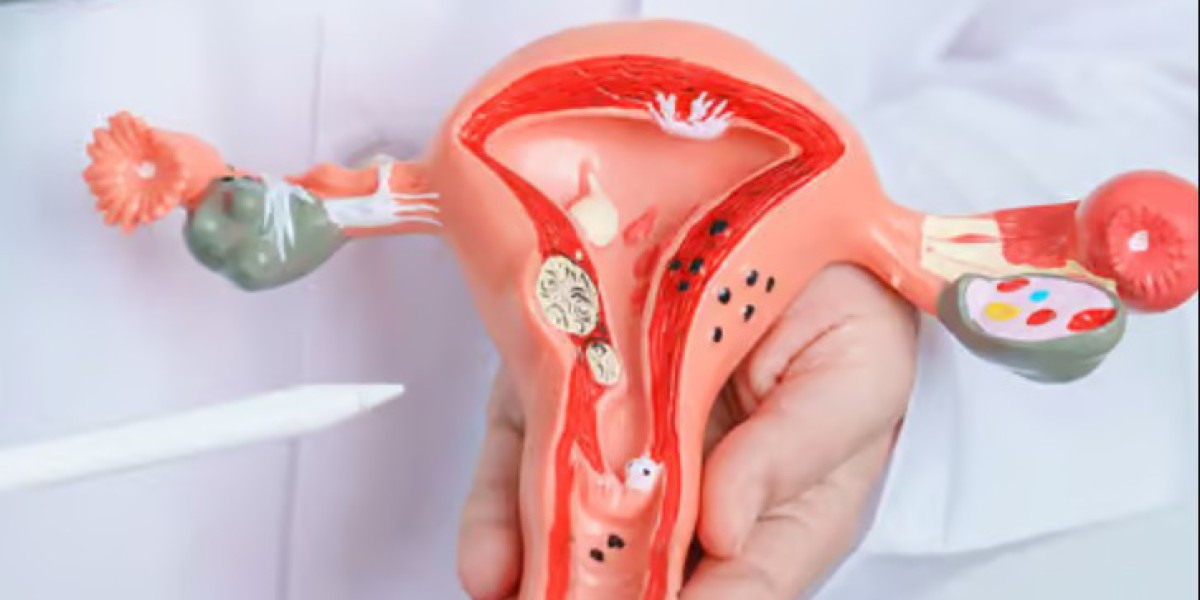

Polycystic ovary syndrome (PCOS) is a common hormonal condition that can affect menstrual cycles, skin health, hair growth, fertility, and metabolism. Its symptoms vary from person to person, which means that understanding individual concerns is an important step toward developing an appropriate care plan.
For some individuals, PCOS may be associated with irregular periods or acne, while others may experience changes in hair growth, difficulty managing weight, or challenges with ovulation. Because the condition can affect several aspects of health, effective management often involves a personalized approach that considers symptoms, medical history, lifestyle, and future reproductive goals.
People exploring Polycystic Ovary Syndrome Treatment In Dubai may benefit from learning about the condition, the available management options, and the importance of professional assessment. At EV Clinic Dubai, individuals can enquire about available women's health services and discuss suitable options for their hormonal health needs.
What Is Polycystic Ovary Syndrome?
Understanding PCOS
Polycystic ovary syndrome is a hormonal and metabolic condition that can affect how the ovaries function. It is commonly associated with irregular ovulation, elevated androgen levels, and, in some individuals, a characteristic appearance of the ovaries on ultrasound.
Despite its name, not everyone with PCOS has ovarian cysts. The condition is diagnosed by evaluating a combination of clinical features, medical history, and appropriate investigations rather than relying on ultrasound findings alone.
PCOS can develop during the reproductive years, and its symptoms may change over time. Some individuals primarily experience menstrual irregularities, while others notice skin changes, excess facial or body hair, or concerns related to fertility.
How Hormonal Imbalances Can Affect the Body
Hormones help regulate many important processes, including ovulation, menstrual cycles, metabolism, and skin function. In people with PCOS, hormonal changes may interfere with regular ovulation and contribute to symptoms such as acne or increased facial hair.
Insulin resistance is also common in PCOS. When the body does not respond efficiently to insulin, it may produce more of this hormone to maintain blood glucose levels. In some individuals, higher insulin levels can contribute to increased androgen production and influence other PCOS symptoms.
These processes do not affect everyone in the same way. Understanding an individual's symptoms and metabolic health helps healthcare professionals determine which management options may be most appropriate.
Common Symptoms of Polycystic Ovary Syndrome
Irregular Menstrual Cycles
One of the most common features of PCOS is irregular menstruation. Some individuals experience longer intervals between periods, while others have fewer periods throughout the year.
These changes may occur because ovulation does not happen regularly. A healthcare professional can assess menstrual patterns and determine whether additional investigations or treatment are needed.
Acne and Oily Skin
Elevated androgen levels can increase oil production in the skin, contributing to persistent acne or an oily complexion. These symptoms may continue into adulthood and can affect confidence and everyday comfort.
Treatment depends on the type and severity of acne, the individual's medical history, and whether hormonal symptoms are present. A personalized plan may include dermatological care or appropriate hormonal management.
Excess Facial or Body Hair
Some people with PCOS experience increased hair growth on areas such as the chin, upper lip, chest, or abdomen. This symptom, known as hirsutism, is associated with the effects of androgens on hair follicles.
Management may involve hormonal medication, selected hair-reduction procedures, or a combination of approaches depending on personal preferences and clinical suitability.
Changes in Weight and Metabolic Health
PCOS may be associated with insulin resistance and an increased likelihood of certain metabolic concerns. Some individuals find that managing their weight is more challenging, although experiences differ considerably.
Weight alone does not determine whether someone has PCOS, and people of different body sizes can develop the condition. Healthcare professionals may assess blood glucose regulation, cholesterol levels, blood pressure, and other relevant factors according to individual needs.
Difficulty With Ovulation and Fertility
Irregular ovulation can make conception less predictable for people with PCOS who want to become pregnant. However, PCOS does not automatically mean that pregnancy is impossible.
Many individuals with PCOS conceive naturally, while others may benefit from treatments that support ovulation. The appropriate approach depends on reproductive goals, age, medical history, and other fertility factors.
Why Individualized Polycystic Ovary Syndrome Treatment In Dubai Matters
Every Person Experiences PCOS Differently
PCOS is not a single-symptom condition. One person may primarily want help with irregular periods, while another may be concerned about acne, excess hair growth, or fertility.
A standardized treatment plan may not address these different priorities equally well. Individualized care takes into account the symptoms that matter most to the patient and the clinical factors that influence treatment decisions.
Treatment Should Reflect Personal Health Goals
The right management strategy depends partly on what an individual hopes to achieve. Someone who wants to regulate menstrual cycles may need a different approach from someone who is planning a pregnancy.
Other considerations may include improving acne, managing unwanted hair growth, supporting metabolic health, or maintaining regular medical monitoring.
When exploring Polycystic Ovary Syndrome Treatment In Dubai, discussing these goals during a consultation can help establish a practical plan that reflects both current symptoms and longer-term health priorities.
Ongoing Review and Adjustment
PCOS management may change over time as symptoms, health needs, and reproductive plans evolve. A treatment approach that is appropriate at one stage of life may require adjustment later.
Regular follow-up helps healthcare professionals review progress, evaluate whether a treatment is meeting its objectives, and determine whether further assessment or changes are appropriate.
How Is Polycystic Ovary Syndrome Diagnosed?
Medical History and Symptom Assessment
Diagnosis generally begins with a review of menstrual patterns, skin changes, hair growth, weight history, medication use, and reproductive goals. Family history may also be relevant.
A healthcare professional may ask when symptoms began and whether they have changed over time. This information helps identify patterns that may be consistent with PCOS and determine which investigations are appropriate.
Hormone Testing
Blood tests may be used to assess selected hormone levels, including androgens, depending on the symptoms and clinical findings.
Additional tests may be recommended to investigate other conditions that can produce similar symptoms. The precise investigations depend on the individual's circumstances and should be selected by a qualified healthcare professional.
Metabolic Health Assessment
Because PCOS can be associated with insulin resistance and changes in glucose regulation, an assessment may include blood glucose testing and a review of other metabolic indicators.
The healthcare professional may also consider cholesterol levels and blood pressure. These assessments help identify health priorities beyond menstrual or skin symptoms.
Ultrasound When Appropriate
Pelvic ultrasound may be used in some diagnostic situations to assess the ovaries and reproductive organs. However, ultrasound is not always necessary to diagnose PCOS, particularly when other diagnostic criteria are already met.
The diagnosis should be based on the overall clinical picture rather than a single test result.
Treatment Options for Polycystic Ovary Syndrome
Lifestyle and Nutrition Support
Lifestyle management is an important part of PCOS care. A balanced diet, regular physical activity, adequate sleep, and sustainable daily habits can support metabolic health and general well-being.
There is no single diet or exercise program that is best for everyone with PCOS. An individualized approach may focus on balanced meals, appropriate sources of protein and fibre, regular movement, and habits that are realistic to maintain.
Lifestyle support can be beneficial regardless of body size. The goal is to improve overall health and support personal treatment objectives rather than follow an unnecessarily restrictive routine.
Medication for Menstrual Regulation
For individuals who are not trying to conceive, hormonal contraceptive medication may be considered to help regulate menstrual cycles and manage symptoms associated with elevated androgen levels.
The appropriate option depends on medical history, personal preferences, and treatment goals. A qualified healthcare professional can explain which approaches may be suitable and how progress can be reviewed.
When periods are very infrequent, menstrual management is particularly important because prolonged gaps between periods may require specific medical assessment and care.
Medication for Metabolic Health
Metformin may be considered for selected individuals with PCOS, particularly when metabolic concerns such as insulin resistance or impaired glucose regulation are relevant.
Its suitability depends on the person's health profile and treatment objectives. It is not necessary for everyone with PCOS, and it should be used according to professional guidance.
Medication is generally most useful when selected for a clearly defined purpose and combined with appropriate monitoring.
Treatment for Acne and Excess Hair Growth
When acne or unwanted facial hair is a major concern, treatment may focus on the effects of androgen hormones on the skin and hair follicles.
Depending on the individual's circumstances, options may include hormonal medication, selected dermatological treatments, and professional hair-reduction procedures.
Improvements may take time because skin and hair follicles respond gradually to treatment. The approach should be tailored to the specific concern and reviewed according to progress.
Fertility and Ovulation Support
For individuals who want to become pregnant, treatment may focus on improving ovulation. A fertility assessment helps determine whether PCOS is the main factor affecting conception or whether additional investigations are needed.
Letrozole is recommended as the first-line pharmacological option for inducing ovulation in many individuals with PCOS-related anovulatory infertility when no other infertility factors are present. Its use requires an appropriate clinical assessment and prescribing by a qualified professional. <Link url="https://www.asrm.org/practice-guidance/practice-committee-documents/recommendations-from-the-2023-international-evidence-based-guideline-for-the-assessment-and-management-of-polycystic-ovary-syndrome-2023/" title="International evidence-based PCOS guidance"/>.
The choice of treatment depends on reproductive goals, age, medical history, and other fertility considerations.
The Role of Hormonal Balance in PCOS Management
Understanding Androgen Levels
Androgens are hormones naturally produced by the body. In PCOS, elevated androgen levels or increased sensitivity to these hormones may contribute to acne, excess facial hair, and changes in ovulation.
Treatment may focus on regulating menstrual cycles or reducing the effects of androgens, depending on the symptoms and individual goals.
The purpose is not to eliminate all androgens, which have normal functions in the body, but to manage clinically significant symptoms appropriately.
Supporting Insulin Sensitivity
Insulin helps the body regulate blood glucose. In some individuals with PCOS, reduced insulin sensitivity contributes to higher insulin levels, which may influence androgen production and metabolic health.
Regular physical activity, balanced nutrition, and medication when appropriate may help address these concerns.
A healthcare professional can recommend suitable assessments and explain which strategies are relevant to the individual's circumstances.
Monitoring Menstrual Health
Menstrual patterns can provide useful information about reproductive and hormonal health. Tracking period dates and changes in cycle length can help individuals communicate symptoms more clearly during consultations.
If periods become consistently irregular or remain absent for an extended period, medical assessment can help identify the cause and determine whether treatment is needed.
How Much Does Polycystic Ovary Syndrome Treatment Cost In Dubai?
Factors That Influence Treatment Pricing
The Polycystic Ovary Syndrome Treatment Cost In Dubai depends on the type of care required, the investigations recommended, and the treatment plan developed for the individual.
PCOS management may involve a single consultation or ongoing care that includes several appointments and different forms of treatment.
Factors that may influence the overall cost include:
- Initial consultation: The cost may depend on the type and length of the appointment.
- Diagnostic investigations: Blood tests, hormone assessments, and ultrasound examinations may have separate charges.
- Medication: Costs vary according to the medication prescribed and the duration of treatment.
- Specialist services: Some individuals may need additional hormonal, dermatological, or fertility-related assessments.
- Follow-up appointments: Ongoing consultations may be needed to review symptoms and evaluate progress.
- Individual treatment goals: A plan focused on menstrual regulation may differ in scope and cost from one focused on fertility support or several symptoms.
How to Obtain an Accurate Cost Estimate
To understand the Polycystic Ovary Syndrome Treatment Cost In Dubai, it is helpful to enquire about the consultation fee, recommended investigations, treatment options, and follow-up arrangements.
At EV Clinic Dubai, prospective patients can ask about available women's health services and the costs associated with their specific needs.
Requesting a breakdown of the proposed care plan can help clarify which services are included and whether any additional appointments or investigations may incur separate charges.
Understanding the Value of Personalized Care
The value of treatment depends on how appropriately it addresses the individual's concerns and health objectives. A personalized plan should have a clear purpose, realistic expectations, and a suitable process for reviewing progress.
Understanding the proposed treatment and its costs before proceeding can help individuals make informed decisions about their care.
Lifestyle Habits That Can Complement PCOS Treatment
Maintain Balanced Eating Habits
A balanced eating pattern can support general health and metabolic function. Meals that include vegetables, whole grains, appropriate protein sources, healthy fats, and fibre-rich foods can help create a sustainable nutritional routine.
There is no need to assume that a particular food or restrictive diet will resolve PCOS. Dietary choices should reflect individual nutritional requirements, preferences, and any other health considerations.
Stay Physically Active
Regular physical activity can support cardiovascular health, metabolic function, mood, and general well-being.
Activities may include walking, cycling, swimming, strength training, or other forms of movement that suit an individual's preferences and physical capabilities.
Consistency is more important than choosing an intense routine that is difficult to maintain.
Prioritize Sleep and Emotional Well-Being
Sleep and emotional well-being are important parts of an overall PCOS management plan. Some individuals experience concerns related to body image, persistent symptoms, or the uncertainty associated with fertility.
Developing a consistent sleep routine, maintaining supportive relationships, and discussing emotional concerns with a qualified professional can help support overall quality of life.
Track Symptoms and Treatment Progress
Keeping a record of menstrual cycles, skin changes, hair growth, energy levels, and other relevant symptoms can help make follow-up appointments more productive.
Tracking progress also allows individuals and their healthcare professionals to identify whether the current approach is meeting treatment goals or whether adjustments should be considered.
What to Expect During a PCOS Consultation
Discussing Your Health History
An initial consultation generally involves discussing menstrual patterns, symptoms, previous diagnoses, current medication, family history, and reproductive goals.
Being open about the symptoms that affect everyday life can help the healthcare professional understand which concerns should be prioritized.
Reviewing Appropriate Investigations
Depending on the available medical information, a professional may recommend hormone testing, metabolic assessments, or imaging.
Not everyone needs every investigation. The selection should be based on the diagnostic criteria, symptoms, and individual clinical circumstances.
Developing an Individualized Plan
After reviewing the relevant information, the healthcare professional can explain appropriate management options and discuss how they align with the individual's goals.
The plan may include lifestyle support, medication, dermatological treatment, or fertility-related care, depending on the person's needs.
Arranging Follow-Up Care
Follow-up appointments provide an opportunity to review symptoms, discuss treatment response, and assess whether further investigations or changes are appropriate.
The frequency of follow-up depends on the selected treatment and the individual's clinical needs.
Choosing Polycystic Ovary Syndrome Treatment In Dubai
Look for Individualized Assessment
PCOS can affect multiple aspects of health, so a thorough assessment is an important starting point. A suitable care plan should consider the individual's symptoms, medical history, and personal priorities.
Ask Questions About Available Treatments
Before starting treatment, ask what each option is intended to achieve, how progress will be evaluated, and whether alternatives are available.
Understanding the purpose of each recommendation can help individuals participate actively in decisions about their healthcare.
Consider Long-Term Health Goals
PCOS management is not limited to addressing immediate symptoms. Depending on the individual's circumstances, care may also include monitoring glucose regulation, cardiovascular health indicators, menstrual function, and reproductive health.
An approach that considers both current concerns and long-term health can support more consistent management.
Frequently Asked Questions About Polycystic Ovary Syndrome Treatment In Dubai
Can PCOS Be Managed Successfully?
Yes. Although PCOS is generally a long-term condition, its symptoms can often be managed through an individualized combination of lifestyle measures, medication, and targeted treatment. The most appropriate approach depends on the person's health profile and goals.
Can PCOS Affect Fertility?
PCOS can affect ovulation, making conception less predictable for some individuals. However, many people with PCOS conceive naturally, and fertility treatments can help others achieve pregnancy when appropriate.
Does Everyone With PCOS Need Medication?
No. Some individuals may manage their symptoms primarily through lifestyle measures and monitoring, while others benefit from medication for menstrual regulation, metabolic health, acne, or fertility. Treatment decisions should be individualized.
How Long Does PCOS Treatment Take to Show Results?
The timeframe depends on the symptoms being treated and the selected approach. Menstrual changes, acne, and unwanted hair growth may respond at different rates. Follow-up appointments help assess progress and determine whether adjustments are needed.
What Is Included in the Polycystic Ovary Syndrome Treatment Cost In Dubai?
The Polycystic Ovary Syndrome Treatment Cost In Dubai may include consultation, investigations, medication, and follow-up services, depending on the provider's pricing structure. It is advisable to request an itemized estimate before beginning treatment.
Can Lifestyle Changes Alone Help With PCOS?
Lifestyle changes can support metabolic health and general well-being and may improve some PCOS-related outcomes. However, they may not address every symptom. Additional treatment may be appropriate depending on menstrual health, skin concerns, or fertility goals.
When Should Someone Seek a PCOS Assessment?
An assessment may be appropriate for persistent irregular periods, signs of elevated androgens, or concerns about ovulation and fertility. A healthcare professional can evaluate symptoms and determine whether PCOS or another condition may explain them.
Conclusion
Polycystic ovary syndrome is a complex hormonal condition that can affect menstrual health, skin, metabolism, and fertility. Because its symptoms and effects differ between individuals, effective management begins with an appropriate assessment and a clear understanding of personal health goals.
Polycystic Ovary Syndrome Treatment In Dubai may involve lifestyle support, hormonal medication, metabolic management, dermatological care, or fertility treatment, depending on the individual's needs. Regular follow-up can help ensure that the chosen approach remains appropriate as circumstances change.
For information about available services and the Polycystic Ovary Syndrome Treatment Cost In Dubai, contact EV Clinic Dubai to enquire about consultation options, recommended assessments, and pricing. An informed, individualized approach can help people with PCOS make decisions that support their hormonal health and long-term well-being.






