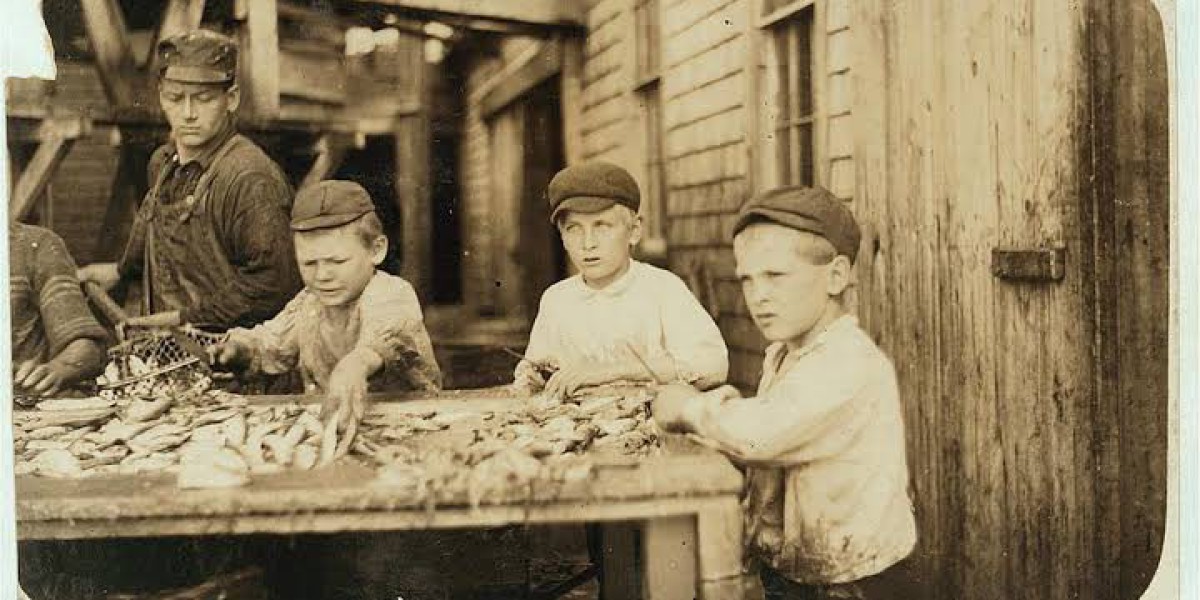

The law commonly called the Child Labour Prohibition Act is officially known as the Child and Adolescent Labour (Prohibition and Regulation) Act, 1986. It was amended in 2016, with the revised provisions taking effect on 1 September 2016. The law prohibits the employment of children below 14 years in all occupations and processes, subject to specific statutory exceptions, and prohibits adolescents aged 14 to 18 from working in hazardous occupations and processes.
Key Provisions of the Child Labour Prohibition Act
The Act establishes different protections based on a child's age and the nature of the work.
1. Prohibition of Employment of Children Below 14 Years
The Act generally prohibits employing children under 14 in any occupation or process. This provision aims to protect children from exploitation and support their right to education and development.
The law contains limited exceptions, including certain assistance in a family or family enterprise after school hours or during vacations, subject to statutory conditions. It also provides a specific exception for qualifying child artists, subject to restrictions. These exceptions do not permit hazardous work or override other applicable legal protections.
2. Protection for Adolescents Aged 14 to 18
The law prohibits adolescents from working in occupations and processes classified as hazardous under the Act and its applicable schedule. This protection recognises that young people may face serious risks from dangerous working environments.
Employers must comply with the applicable legal requirements and cannot assume that every type of work is permitted simply because a person is over 14.
3. Penalties for Violations
Employers who illegally employ children or adolescents can face imprisonment, fines, or both, depending on the offence and applicable provisions.
For a first offence involving unlawful employment, the Act provides for imprisonment ranging from six months to two years, a fine of ₹20,000 to ₹50,000, or both. Repeat offences by an employer can attract imprisonment from one to three years.
4. Rescue and Rehabilitation
Preventing child labour involves more than removing children from illegal employment. Children may need educational support, safe accommodation, counselling, rehabilitation assistance, and help returning to school.
The Child and Adolescent Labour Rules also provide for prevention, rescue, rehabilitation, and coordination among the relevant authorities.
Why Is the Child Labour Prohibition Act Important?
Child labour can interfere with a child's education, health, safety, and development. Children who work in exploitative conditions may experience physical injuries, exhaustion, emotional distress, and reduced opportunities to complete their schooling.
The law helps protect children from these risks and establishes consequences for employers who violate its provisions.
It also reinforces the principle that children should have opportunities to learn, play, develop their abilities, and grow in safe environments rather than being exposed to unlawful or hazardous work.
How Can Child Labour Be Prevented?
Effective prevention requires action from families, schools, communities, employers, and government authorities.
Promote education: Families and communities should help children enrol in school and continue their education. Support for children at risk of dropping out can reduce their vulnerability to exploitation.
Raise awareness: Parents, employers, and community members should understand the legal restrictions on child employment and recognise the risks associated with exploitative work.
Support vulnerable families: Access to social protection, livelihood opportunities, and essential services can help reduce the financial pressures that sometimes contribute to child labour.
Report suspected violations: If you suspect that a child is being illegally employed or exploited, report the concern to the appropriate labour authorities or child protection services rather than confronting potentially dangerous individuals yourself.
In India, Child Helpline 1098 provides assistance for children in need of care and protection. For an immediate emergency, call 112.
Role of CRY India in Preventing Child Labour
CRY India, also known as Child Rights and You, works to advance children's rights, including access to education, healthcare, nutrition, protection, and development.
These areas are closely connected to preventing child labour. Children are better protected when they can access education, live in supportive environments, and receive the essential services they need to grow and develop.
Efforts to improve school access, raise awareness of children's rights, and address barriers affecting disadvantaged families can contribute to broader child protection goals.
Readers can visit CRY India's official website to learn about its work and current initiatives supporting children's rights and well-being.
Conclusion
The Child and Adolescent Labour (Prohibition and Regulation) Act, 1986, is a key Indian law designed to protect children from unlawful employment and adolescents from hazardous work. Amended in 2016, it strengthened restrictions on child labour and introduced stricter penalties for violations.
However, legislation alone cannot eliminate child labour. Access to quality education, support for vulnerable families, effective enforcement, and community awareness are also essential.
Organisations such as CRY India highlight the importance of protecting children's rights and creating environments where every child has the opportunity to learn, grow, and thrive.
Every child deserves education, safety, and a childhood free from exploitation.