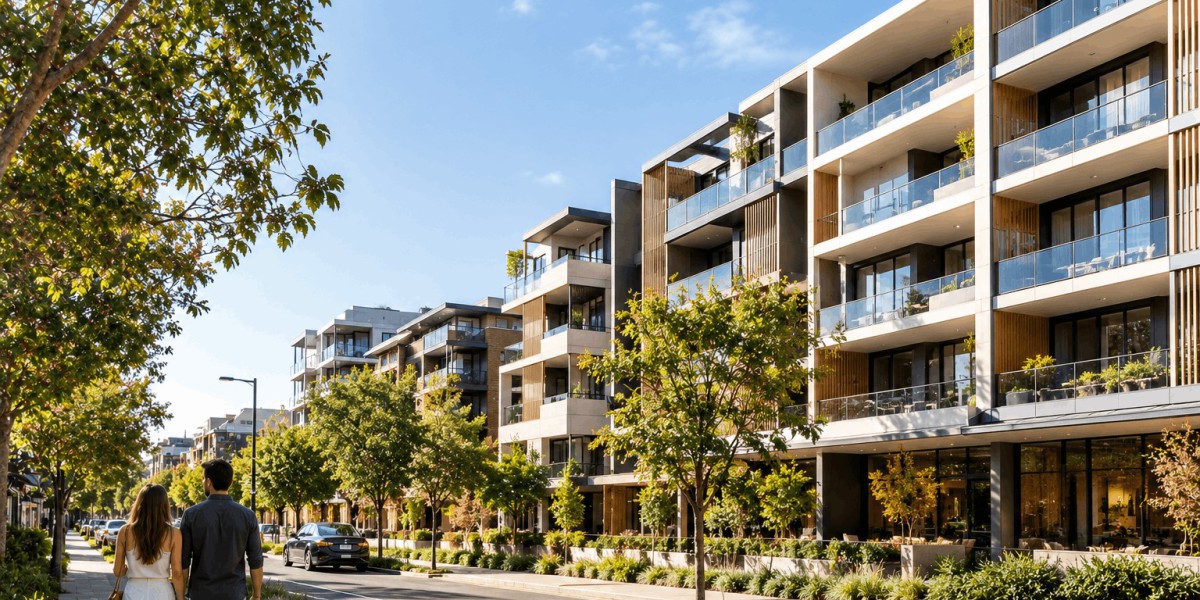

What makes Subiaco attractive to property investors?
Some suburbs earn their reputation with a single big selling point. Subiaco collects a dozen small ones. A short trip to the city, a train station, a busy cafe strip, mature trees and a long list of people who want to live there.
I've sold property across Perth since 2018, after roughly thirty years running my own businesses, so I judge an investment suburb the way I'd judge a business. Is demand steady, is supply limited and what are the risks? I'm not a financial adviser, and Subiaco isn't one of my core suburbs, so the figures below come from published data and government sources. Providers don't always agree, so check live numbers before you act. This is the case people make for Subiaco real estate, along with the parts that deserve a second look.
The short answer
Investors are drawn to Subiaco because it combines a close-to-the-city location, strong tenant and buyer demand, limited supply of character houses and visible investment in the area. That mix suits investors who prioritise capital growth. It suits yield-hunters less, since house yields are low. Anyone browsing property for sale Subiaco has listed should decide which side of that line they stand on.
1. Location, lifestyle and tight supply
People want to live near the city without living in it. Subiaco gives them that, and the limited number of houses keeps competition healthy.
2. Not a fit for every investor
High entry prices, thin house yields and strata costs on apartments mean the numbers need care. Attractive doesn't mean easy.
Location and lifestyle
1. Close to the city
Subiaco sits about 3.3 kilometres west of Perth's CBD. That short distance shortens commutes for tenants who work in town, and it's one of the first things buyers mention when they explain why they want to live here.
2. Train, shops and green space
REIWA lists the Subiaco train station, Station Street Markets and Lords Recreation Centre among its features. Add the Rokeby Road shopping and dining strip and the nearby parks, and many residents can live without a car. For tenants, that's a lifestyle worth paying rent for.
3. Schools and community
Families look at schools. Bob Hawke College sits within the Subi East area alongside Subiaco Oval and Mueller Park. If schools matter to your target tenant, check the current intake areas with the Department of Education, because boundaries can change.
Demand you can measure
Feelings are nice. Numbers are better.
1. Vacancy and time on market
Low vacancy
One provider reports a vacancy rate of 0.84% for the City of Subiaco, and another shows 0.18%. Low vacancy means rentals tend to fill quickly, which protects a landlord's income.
Quick sales
Properties also move fast. One provider shows a median of 20 days on market, and another lists 12 days for units. Quick sales suggest a deep pool of buyers, which matters when you want to sell. Subiaco real estate has a reputation for drawing interest from both owner-occupiers and investors.
2. Rent growth
One source shows house rents averaging $950 a week, up 5.6% over twelve months, and unit rents averaging $776 a week, up 10.9%. Rental growth can be uneven and WA limits rent increases to once every 12 months, so don't assume rents will keep climbing at that pace.
3. Long-term price growth
As at 31 October 2026, one provider shows Subiaco house values up 44.10% over five years and unit values up 59.34%. Strong history doesn't promise strong results ahead, and different providers measure growth differently. Still, steady growth over several years is part of why investors keep looking at the suburb.
Scarcity and character
1. Heritage protection
Subiaco has several heritage and conservation areas, and the City's planning strategy aims to protect the suburb's recognised character and heritage, including by retaining character housing. That limits how many older homes can be replaced, which supports the value of the ones that remain. The flip side: if a place is on the City's Heritage List or the State Heritage Register, extra requirements may apply, so renovation and redevelopment plans need checking.
2. Houses are hard to replace
Think of a good Subiaco house as a seat in a small theatre. You can't add more seats without changing the building. Land is limited, and the planning rules protect much of what's there.
3. Plenty of apartments
Apartments arrive more easily. The City recorded 181 approvals in 2026, of which 160 were units. That gives investors choice at a lower price, though it also means more competition among apartments.
Investment in the neighbourhood
1. Subi East
Subi East is a large redevelopment around the former Subiaco Oval and the old Princess Margaret Hospital site. It's expected to bring more than 2,000 dwellings and over 4,000 new residents, with around $1 billion in private investment. The Oval precinct alone is expected to deliver about 1,000 homes and support the revitalisation of the town centre and nearby West Leederville.
2. What it could mean for nearby owners
New shops, parks and residents may lift activity and appeal around the precinct. More people also mean more apartments competing for tenants. Neither effect is guaranteed, so follow the build programme and check what's planned near any property for sale Subiaco investors are considering.
Options for different budgets
1. Apartments
Apartments offer a lower entry price and stronger rental yield. One provider shows a median unit price near $742,000, a yield around 5.5% and one-bedroom apartments around $531,000. That opens Subiaco to investors who can't afford a house. Check the building, the strata levies and the reserve fund first.
2. Houses
Houses cost far more and yield less. One provider shows a gross house yield of 2.27% and suggests investors prioritise capital growth over immediate yield. You're buying land, scarcity and long-term appeal, which suits investors who can carry the holding costs for years.
3. Match the property to your goal
Growth-first investors with deep pockets lean towards houses. Income-first investors with tighter budgets lean towards apartments. Many mix both over time. Be honest about your cash flow before you decide.
What to weigh before you buy
1. Yield and entry price
Subiaco is expensive. A low-yield house can leave rent covering only a slice of the loan, so rising interest rates bite harder. Stress-test your numbers with a higher rate and a few weeks of vacancy before you commit.
2. Strata costs and new supply
Apartments come with strata levies, and special levies can follow if a reserve fund is thin. New supply, especially around Subi East, can also hold rents back for older buildings. Read the strata records and look at what's being built nearby.
3. A quick checklist
Before you commit, run through this:
Decide whether you're chasing growth, income or both.
Check heritage and planning status for a house, and strata records for an apartment.
Compare recent sold prices and current rents for matching properties.
Look at nearby approvals and the Subi East programme.
Stress-test the loan, and talk to a licensed adviser and an accountant.
Conclusion
Subiaco appeals to investors because of its closeness to the city, its lifestyle, its low vacancy, its scarcity of character houses and the investment going into the area. It's a growth story more than an income story, and the entry price, strata costs and new supply need respect. If you're comparing a property for sale Subiaco has available, test the numbers against your own goals, and get advice from a licensed professional before you sign. And if you're thinking of selling or buying elsewhere in Perth, request a complimentary appraisal on my property appraisals page or call me on 0418 896 354.
Frequently asked questions
1. Why do investors choose Subiaco?
Investors cite the close-to-the-city location, train and lifestyle amenities, low vacancy, limited supply of character houses and ongoing investment such as Subi East. Many also like the choice between apartments and houses at different budgets.
2. Is Subiaco good for rental income?
Apartments tend to offer better yields than houses, with published figures around five to five and a half percent for units against two to three percent for houses. Net income depends on levies, rates, fees and loan costs, so work it out for each property.
3. Is Subiaco good for capital growth?
Published data shows strong growth over recent years, and scarcity of houses supports demand. Past growth doesn't guarantee future growth, so compare several sources and stress-test your plan.
4. What are the downsides of investing in Subiaco?
High entry prices, low house yields, strata levies on apartments, heritage limits on some homes and new apartment supply. Each of these can reduce returns or add risk if you don't plan for them.
5. What should I check before buying in Subiaco?
Check recent sold prices and rents, heritage and planning status, strata records for apartments and nearby development. Before comparing Subiaco real estate options, get advice from a licensed adviser and an accountant about your own situation.