
The rapid growth of technology has changed the way people live, work, and communicate. From smartphones and computers to televisions, appliances, and electronic equipment, technology has become an essential part of everyday life. However, the increasing use of electronic products has also created a growing challenge: electronic waste, commonly known as e-waste.
As electronic devices become outdated or reach the end of their useful life, responsible collection, processing, and recycling have become increasingly important. E waste recycling companies in India are playing an important role in addressing this challenge by introducing smarter recycling solutions, improving resource recovery, and supporting more sustainable waste management practices.
Understanding the Changing E-Waste Landscape
India is experiencing rapid growth in electronic consumption. Businesses, households, educational institutions, and other organizations regularly replace electronic devices with newer models. While technological development offers many benefits, it also results in increasing quantities of discarded electronics.
E-waste can contain valuable materials such as copper, aluminium, iron, and other recoverable components. At the same time, certain electronic products may contain substances that require careful handling and controlled processing.
This makes professional recycling an important part of responsible e-waste management. Modern recycling solutions focus not only on disposing of unwanted electronics but also on recovering useful resources and reducing the amount of waste sent to landfills.
How E-Waste Recycling Companies in India Are Changing
The recycling sector is moving beyond traditional collection and disposal methods. E-waste recycling companies in India are increasingly adopting structured systems that combine collection, sorting, dismantling, material recovery, and responsible processing.
Improved Collection Systems
Efficient collection is one of the first steps in successful e-waste recycling. Modern systems are making it easier for businesses and households to hand over unwanted electronic products for appropriate processing.
Organized collection networks can help reduce the chances of electronic waste being mixed with general waste. They also improve traceability and ensure that discarded equipment moves through a more structured recycling process.
Advanced Sorting and Dismantling
Electronic products contain multiple materials and components. Separating these materials efficiently requires proper sorting and dismantling techniques.
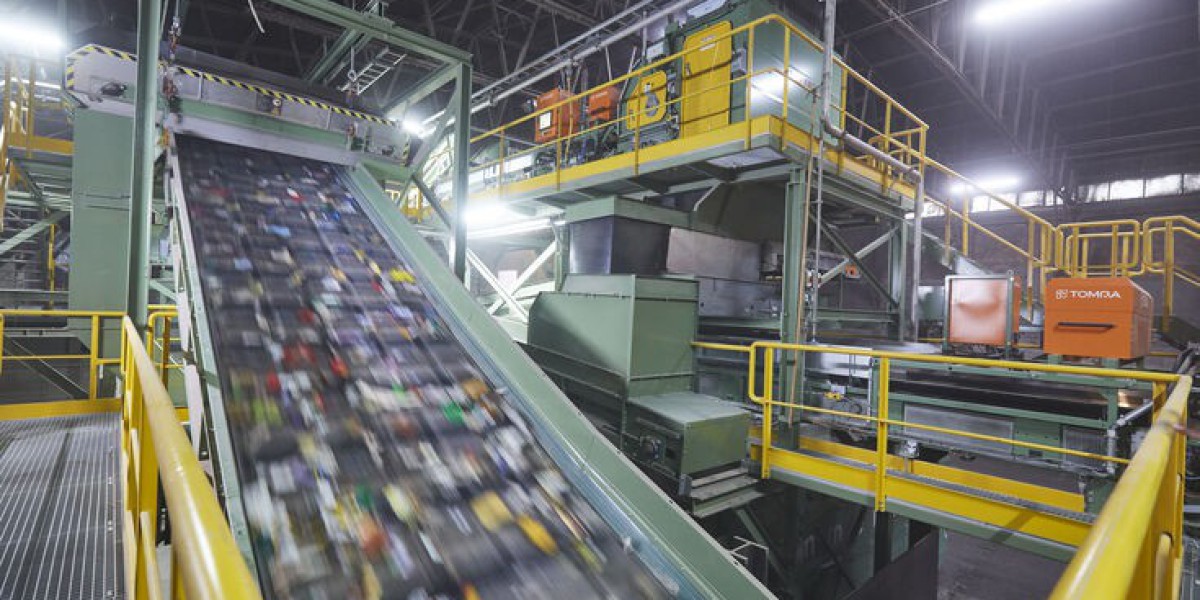
Modern recycling facilities use improved equipment and systematic processes to separate metals, plastics, circuit boards, cables, and other components. Better separation can increase the recovery of valuable materials while reducing unnecessary waste.
The Role of Technology in Smart Recycling
Technology is becoming an important part of the changing recycling landscape. Digital systems can help improve collection planning, inventory management, material tracking, and recycling documentation.
Automation and specialized equipment can also improve the efficiency of sorting and material recovery. Data-driven systems can provide useful information about the quantity and type of e-waste being processed, helping organizations make better waste management decisions.
Technology can therefore support a more transparent and efficient recycling ecosystem.
Supporting the Circular Economy
One of the biggest changes in modern e-waste recycling is the growing focus on the circular economy. Instead of treating electronic products as waste at the end of their useful life, circular approaches aim to keep materials in use for as long as possible.
Recovering Valuable Resources
Recycling can recover materials from discarded electronics that may be used again in manufacturing. Recovering these resources can reduce the need for extracting new raw materials.
This approach creates an opportunity to turn unwanted electronics into sources of secondary raw materials while reducing pressure on natural resources.
Reducing Environmental Impact
Responsible recycling can also help reduce the environmental impact associated with improper e-waste disposal. Controlled processing helps prevent electronic components from being handled through unsuitable waste channels.
By increasing material recovery and reducing landfill disposal, smart recycling systems can contribute to more sustainable resource management.
Importance for Businesses
Businesses generate significant quantities of electronic waste through computers, networking equipment, office electronics, communication devices, and other technology assets. As organizations upgrade their infrastructure, responsible disposal becomes an important part of their environmental practices.
Working with organized recycling systems can help businesses manage obsolete equipment more systematically. Proper documentation, collection, sorting, and recycling can also support internal sustainability goals and responsible resource management.
For companies handling large volumes of electronic equipment, a structured recycling approach can make e-waste management more efficient and accountable.
Challenges Facing the Recycling Sector
Despite improvements, the e-waste recycling sector continues to face several challenges. Awareness about responsible disposal remains inconsistent, and some electronic waste may still enter informal or unsuitable waste channels.
Another challenge is the increasing complexity of modern electronic products. Devices are becoming smaller and more sophisticated, which can make dismantling and material recovery more complicated.
Continuous investment in technology, infrastructure, skilled workers, awareness programs, and efficient collection networks will be important for addressing these challenges.
The Future of E-Waste Recycling in India
The future of e-waste recycling is likely to involve greater use of technology, improved collection networks, better material recovery systems, and stronger participation from businesses and consumers.
E-waste recycling companies in India can contribute to this transformation by developing efficient recycling processes and encouraging responsible disposal practices. Greater awareness can also help consumers understand that unwanted electronics should not simply be discarded with regular household waste.
As the concept of the circular economy continues to grow, recycling will become an increasingly important part of the electronics lifecycle.
Conclusion
The changing landscape of e-waste recycling in India reflects the growing need for smarter and more sustainable solutions. Modern recycling is moving beyond basic disposal toward resource recovery, technology-driven processing, organized collection, and circular resource management.
E-waste recycling companies in India have an important role to play in this transition. By improving recycling infrastructure, adopting efficient technologies, recovering valuable materials, and promoting responsible disposal, the sector can help create a cleaner and more resource-efficient future.
Smart recycling solutions are not only about managing electronic waste—they are about transforming discarded electronics into opportunities for resource recovery, environmental responsibility, and sustainable growth.






