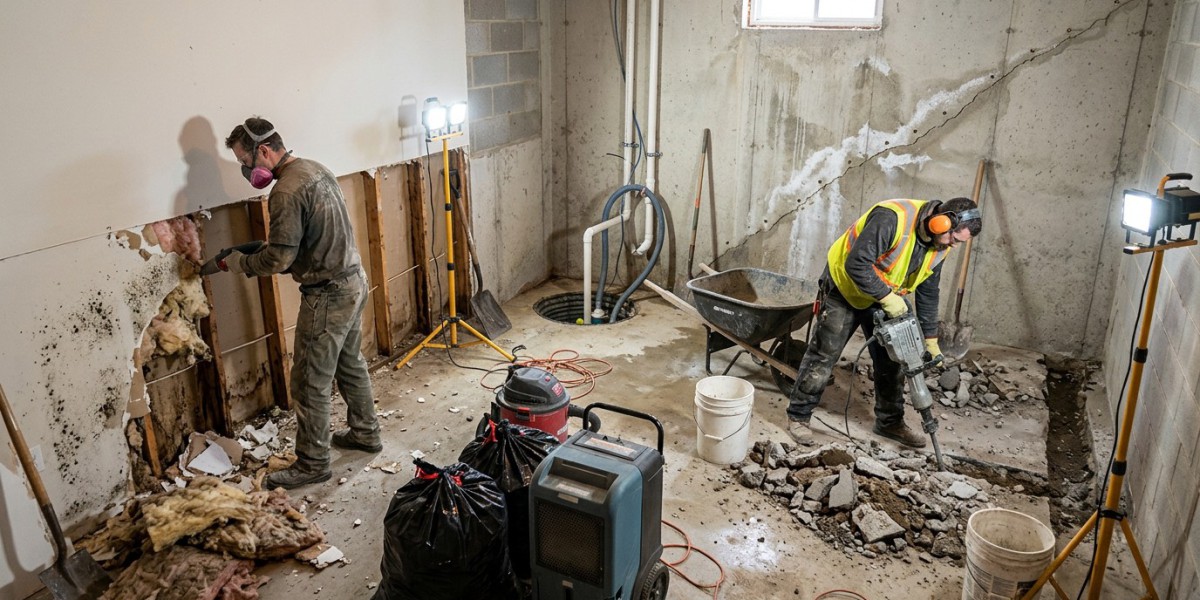

The cost of fixing a wet basement can vary widely because not every moisture problem has the same cause. A small area of dampness from condensation is very different from water entering through foundation walls or flooding across the floor. The amount of repair work depends on where the water is coming from, how long the problem has existed, and what parts of the basement have been affected.
Homeowners searching for wet basement repair cost are usually trying to understand what could influence the final bill before they commit to a repair. There is no single figure that applies to every basement. A better starting point is to understand the factors that make the job simpler, more involved, or more extensive.
The source of the water matters most
A basement may become wet because of groundwater pressure, rain runoff, foundation cracks, plumbing leaks, poor drainage, or condensation. Each source calls for a different type of work. Repairing a foundation crack, for example, is not the same project as correcting drainage around the property.
The source also affects whether the repair can remain local. A single plumbing leak may affect one area, while groundwater entering around the foundation can require broader work. Before thinking about cost, it is useful to identify the actual path that water is taking into the basement.
Minor moisture and active water are different problems
A basement with occasional dampness may need a very different repair from one where water actively enters during storms. Condensation may be related to indoor humidity and ventilation, while active seepage may involve the foundation or surrounding soil.
That difference can have a major effect on the work required. Surface moisture may be addressed through moisture control and building improvements, whereas recurring water entry may require drainage or foundation-related measures. Treating these problems as though they were identical can lead to the wrong repair choice.
Repair scope can change the price quickly
The size of the affected area is another major factor. A small repair may involve limited material removal and localized work, while widespread moisture can affect flooring, drywall, insulation, trim, and stored belongings. The longer water has remained in the basement, the more likely it is that additional materials will need attention.
The condition of the existing finishes also matters. A finished basement may cost more to restore than an unfinished space because flooring, walls, ceilings, cabinets, and other built elements may need to be removed and replaced. The repair is therefore not only about stopping the water but also about dealing with what the water has already damaged.
Hidden moisture can increase the work
Water does not always remain where it first appears. It can move behind walls, beneath flooring, or along foundation joints. Hidden moisture may not be obvious during a quick inspection, but it can still affect materials and create additional repair needs.
Discovering hidden damage after work has started can change the scope of a project. A careful inspection before major repairs helps create a more realistic picture of the problem. It is usually better to understand the affected area early than to discover additional damage after the finished surface has already been removed or repaired.
Drainage problems can require broader work
If water is reaching the basement because the surrounding property does not move water away effectively, repairing the basement interior alone may not solve the problem. The drainage route outside the building may need attention as well.
That can involve changes to how water is collected, directed, or discharged. The required work depends on the property and the path water takes during wet weather. A repair that addresses the source can cost more than a cosmetic patch, but it may also provide a more lasting solution.
Foundation problems can affect the total cost
Foundation cracks and openings can allow water to enter, especially when pressure builds around the outside of the basement. The size, location, and condition of the crack all influence what repair may be appropriate.
Some foundation problems remain localized, while others can be signs of broader movement or drainage pressure. That is why the visible crack should not always be treated as the entire problem. Understanding why water is reaching that location can help determine what repair is actually needed.
Finished basements can be more expensive to restore
A finished basement contains more materials that can be affected by water. Flooring, drywall, insulation, cabinetry, trim, and electrical components may all require inspection after repeated or significant moisture exposure. If water reaches several of these materials, the restoration work can become much larger than the original leak.
Unfinished basements can still have serious structural or moisture problems, but the repair may involve fewer finished surfaces. This does not automatically make the problem minor. It simply changes what needs to be restored after the moisture source has been addressed.
What a proper repair assessment should include
A useful assessment should look at the source of water, the affected areas, the condition of building materials, and the drainage or foundation conditions around the basement. It should also consider whether the problem happens only during storms or continues during dry weather.
The more complete the assessment, the easier it is to create a realistic repair plan. Homeowners should be wary of recommendations that focus only on one visible symptom without explaining why the water is getting inside. The repair should make sense in relation to the actual cause.
Ways to avoid unnecessary repair spending
It is possible to spend money on a series of small fixes without ever addressing the original problem. Painting over stains, replacing one section of flooring, or sealing a visible area may improve the appearance but do little to stop ongoing water entry.
A better approach is to solve the source first and then restore the affected materials. This helps avoid paying for the same cosmetic repairs more than once. It also gives homeowners a clearer understanding of where the budget is going and why each part of the work is necessary.
Signs the basement needs more than a cosmetic fix
Certain symptoms suggest that the moisture problem is ongoing or more extensive. These include
- Water appears after multiple storms
- The same wall becomes damp repeatedly
- Flooring changes shape or lifts
- Musty odors continue after cleaning
- Moisture appears in more than one area
These signs do not identify the exact repair by themselves, but they do show why a broader assessment may be needed. Recurring moisture should be treated as an active property issue rather than a temporary inconvenience.
Final Thoughts
The cost of repairing a wet basement depends on the cause, the size of the affected area, the condition of the building materials, and the work required to prevent the water from returning. A useful repair plan starts with identifying the source rather than focusing only on visible damage. Once the moisture path is understood, homeowners can better judge which repairs are essential and which cosmetic work can wait.
The concept of hydrostatic pressure helps explain why basement water can become persistent after wet weather. Pressure from water in surrounding soil can push against foundation walls and floors, creating pathways for seepage. Understanding that pressure helps explain why lasting repairs often need to address water movement outside the basement as well as damage inside it.






