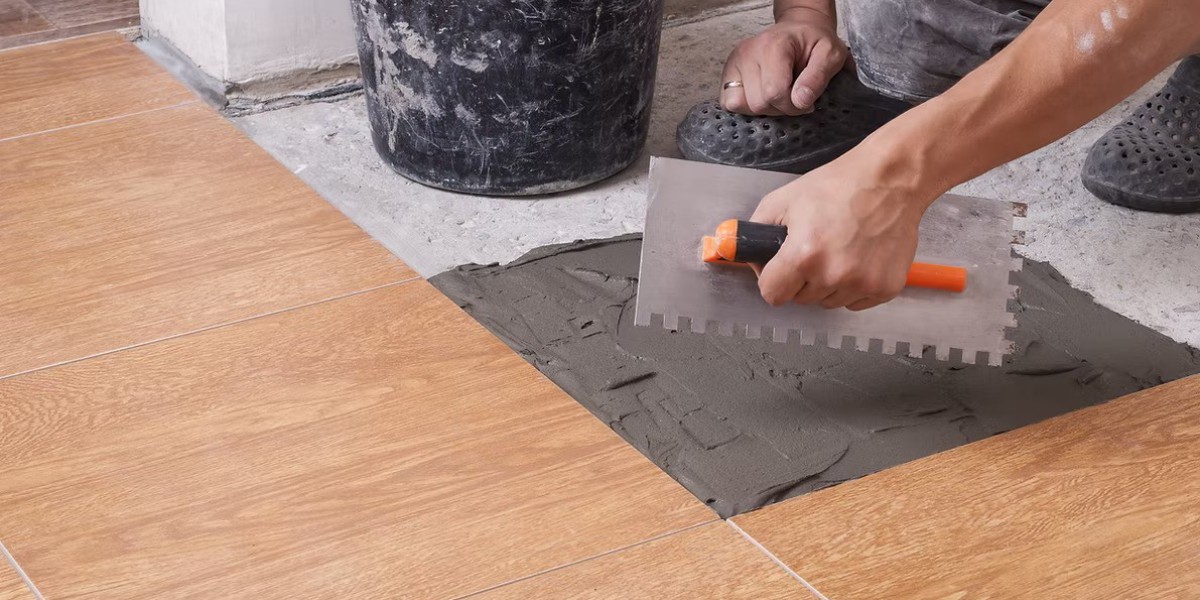

The way your floor is laid can be just as important as the material you choose. A simple change in direction or pattern can transform a room, adding elegance, movement, and visual interest that plain straight planks can't match. Classic patterns like herringbone and chevron have surged in popularity, and they look especially striking in hardwood flooring where the natural grain and color variation play off each other.
This guide explores the most popular flooring patterns, how each affects a room's look and feel, which materials suit them, and what to consider before choosing something more elaborate than a standard straight layout.
Why Layout Matters
Pattern and direction influence how a space feels. Planks running lengthwise can make a narrow room feel longer, while diagonal layouts can add width and energy. Intricate patterns introduce a custom, crafted quality that elevates an otherwise simple room. Because flooring covers such a large visual area, layout is one of the most powerful and affordable ways to personalize your home.
Straight Lay: The Classic Standard
The straight lay, where planks run parallel in the same direction, is the most common and cost-effective layout. It's simple to install, creates minimal waste, and suits nearly every home style. Running planks toward the main light source, usually windows, often minimizes the appearance of seams and highlights the beauty of the wood.
Diagonal Layout
Installing planks or tiles at a 45-degree angle adds movement and makes a room feel larger and more dynamic. It's particularly effective in smaller or narrow spaces. The tradeoff is more cutting, more waste, and more labor, which increases the installation cost somewhat compared with a straight layout.
Herringbone: Timeless and Dramatic
Herringbone arranges rectangular planks in a zigzag pattern with ends meeting at right angles. Its roots stretch back centuries, and it remains a symbol of classic sophistication. It's popular in entryways, living rooms, and kitchens, and it works beautifully in both traditional and modern interiors. Shorter planks are typically used to create the pattern, and the result adds depth and rhythm underfoot.
Chevron: Clean and Directional
Chevron is similar to herringbone, but the planks are cut at an angle so the ends meet in a continuous, pointed "V" shape. This creates sharp, uninterrupted lines that feel sleek and contemporary. Chevron requires precise cutting and careful installation, and it's often chosen for statement spaces where a bold visual effect is desired.
Basketweave and Parquet
Parquet patterns, including basketweave, use small wood pieces arranged in geometric designs. Once seen mainly in historic homes, they've made a comeback in modern interiors with updated finishes and larger-scale blocks. These patterns suit accent areas and bring vintage charm to renovation projects.
Tile Patterns: Grid, Offset, and Beyond
Tile offers its own set of layout options. The straight grid is clean and modern, while a brick or offset pattern adds a softer look. Herringbone and diagonal layouts work beautifully with rectangular tile, and mosaic patterns can serve as decorative rugs or borders within a larger tiled floor. Choosing grout color carefully helps emphasize or soften the pattern.
Which Materials Work Best
Solid and engineered hardwood are classic choices for herringbone and chevron, and many manufacturers sell planks specifically cut for these patterns. Luxury vinyl plank is also available in herringbone and chevron formats, offering the look at a lower cost and with waterproof performance. Tile and parquet blocks round out the options for specialized designs. Always confirm that your chosen product is designed for the pattern you want.
Cost and Installation Complexity
Complex layouts require more cutting, more precision, and more time, which increases labor costs. They also generate more waste, meaning you'll need to order extra material. The good news is that a pattern installed in just one room, such as an entryway or dining area, can create impact without inflating your total budget. Experienced installers are essential for intricate patterns, since small mistakes are highly visible.
Combining Patterns and Borders
A decorative border around the edge of a room, or a patterned inlay in the center, adds a custom touch to otherwise simple flooring. Contrasting wood species or tones create striking detail, and the pattern can echo other design elements in the room, such as a ceiling medallion or area rug placement.
Choosing Based on Room Size and Style
Large, open rooms handle bold patterns well, while small rooms may feel busy if the pattern is too dramatic. Consider your furniture and decor too. A highly patterned floor pairs best with simpler furnishings, letting the floor remain the star. Minimal, contemporary spaces often look wonderful with clean chevron, while traditional homes embrace herringbone naturally.
Transitions Between Patterned and Plain Floors
Where a patterned floor meets a plain one, thoughtful transitions keep the design looking intentional. A simple threshold strip, a change in direction at a doorway, or a contrasting border can separate the two cleanly. In open floor plans, a patterned area can be framed by plain planks to define a zone, such as an entry or dining nook, without breaking the visual flow of the whole space.
Maintenance and Long-Term Care
Patterned floors are cared for like any other floor of the same material, but small gaps and seams where angles meet can collect dust and debris. Regular sweeping or vacuuming with a soft-bristle attachment keeps them clean, and a quality finish helps seal the joints. If a board in an intricate pattern is damaged, an experienced installer can often replace individual pieces without disturbing the surrounding design, so keeping a few spare planks from your original order is a smart idea.
Final Thoughts
Flooring layout is a creative opportunity that's often overlooked. Whether you choose a classic straight lay, an energetic diagonal, or a statement herringbone, the right pattern can elevate your entire space. Plan carefully, work with experienced installers, and select a material designed for your chosen layout to enjoy a floor that looks custom-made for your home.